Double doors, insulated sections, household entry, trapped vehicles, storage, security, and a prominent exterior finish may all affect the decision.

Get practical help for a garage door that is stuck, noisy, uneven, damaged, poorly sealed, or no longer responding reliably to its opener. Surrey Garage Door supports detached homes, townhomes, strata contacts, property managers, and other residential properties in Morgan Heights and the surrounding South Surrey area.
If the door is heavy, crooked, hanging unevenly, off track, or showing a loose cable, stop using the opener. If the door moves normally but the motor, remote, keypad, wall control, or safety sensors fail, the problem may be opener-related. Share the exact symptom, door position, property type, and whether access or security is affected.
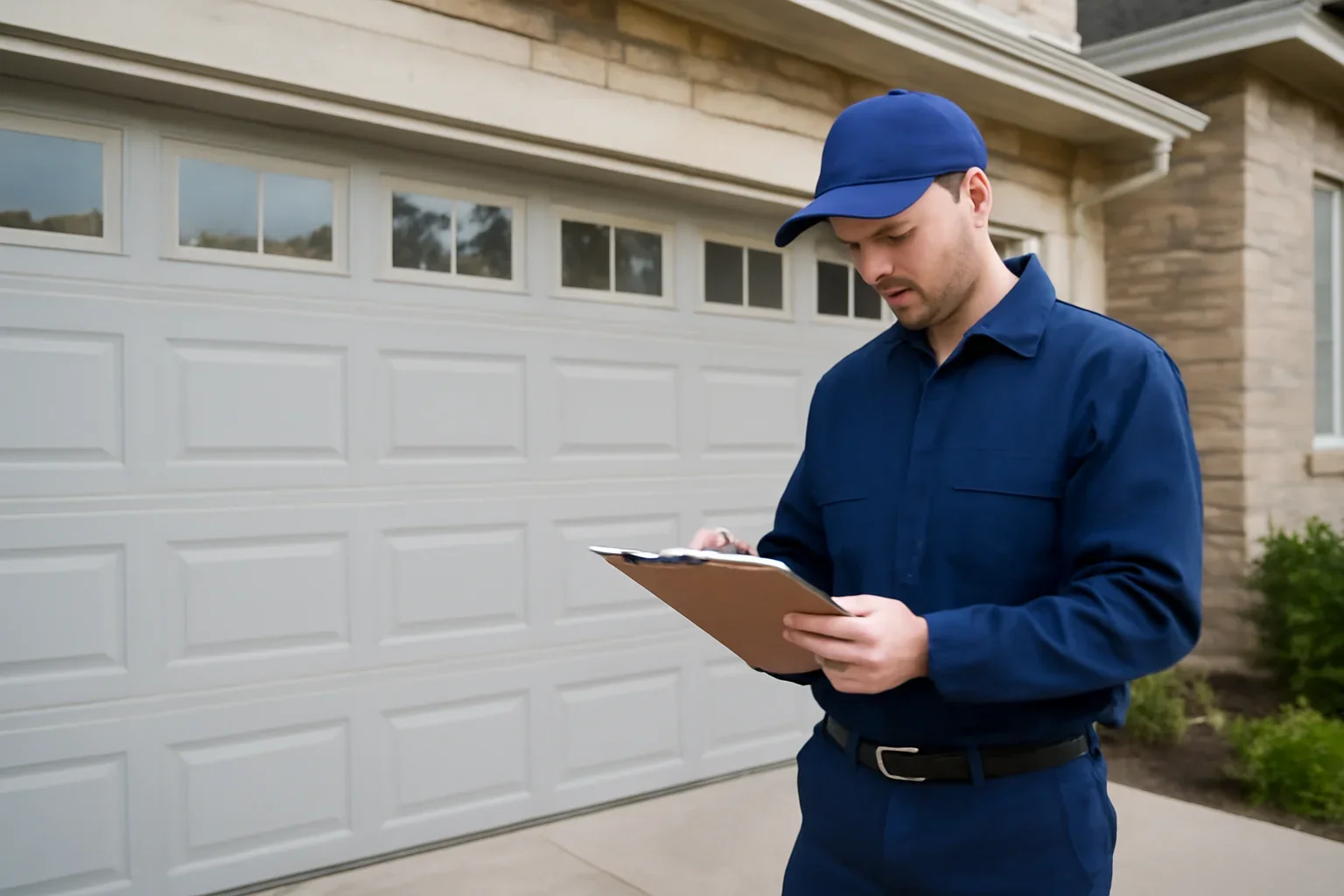
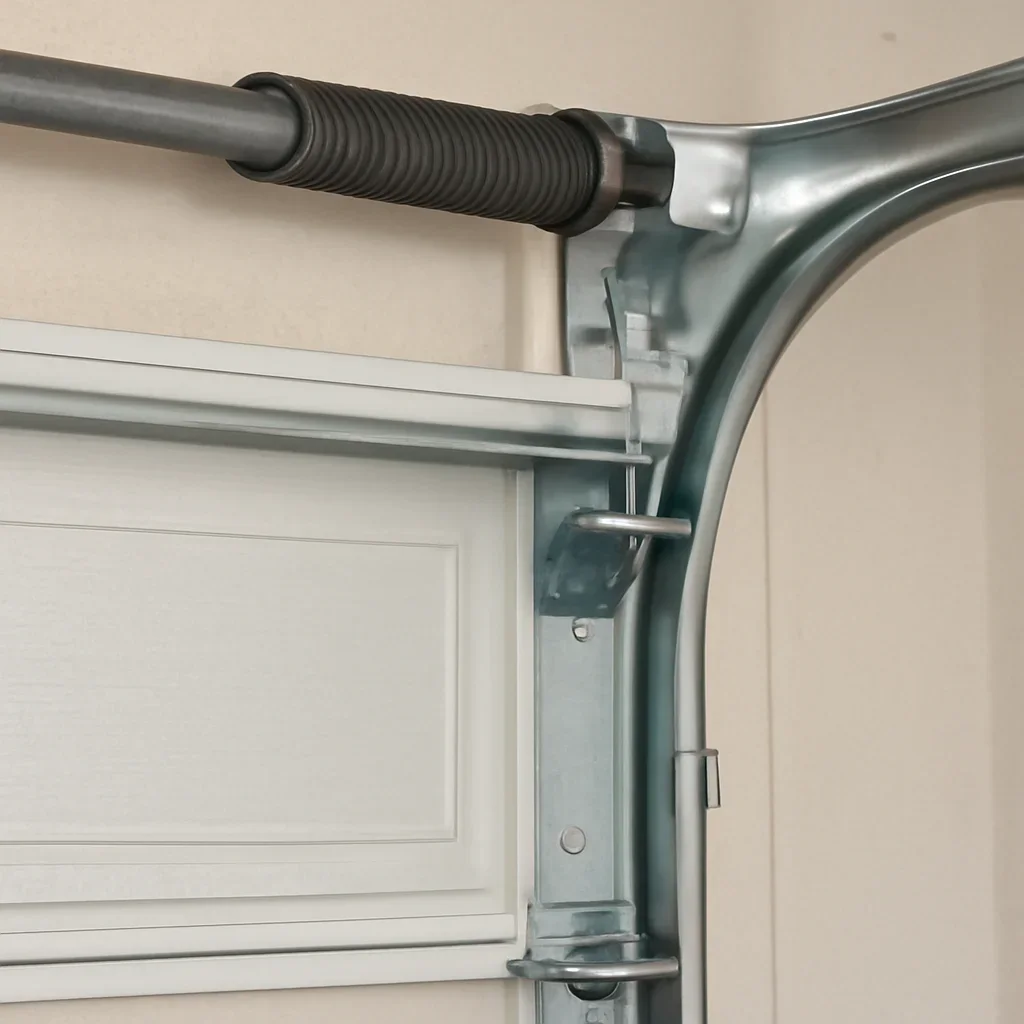
Morgan Heights is part of South Surrey’s newer Grandview-area growth near the 24 Avenue and 160 Street residential and retail corridor. The area includes detached homes, townhome communities, attached garages, and properties where the garage door is both a major exterior design feature and a heavily used household entrance.
That does not mean every door is the same. Local service requests can involve heavier insulated sectional doors, decorative panels, builder-installed openers, quiet-operation expectations, smart-access upgrades, tight townhome driveways, shared lanes, or garages used for vehicles, storage, sports equipment, and daily household entry.
For the broader neighbourhood page, visit Morgan Heights garage door services. For citywide repair guidance, see residential garage door repair in Surrey, garage door opener repair, and garage door spring repair.
You do not need to identify the broken part. A clear description of what changed is more useful.
Start with the symptom rather than guessing the part. These service paths cover the mechanical, opener, appearance, sealing, and long-term planning concerns that matter most for local homes.
Best for a motor that clicks, hums, stops, reverses, loses remote response, flashes sensor lights, or no longer opens and closes consistently.
View local opener repair 02Best for a loud bang, visible spring gap, unusually heavy door, sudden drop, crooked lifting, or an opener straining against the door’s weight.
View local spring repair 03Best when the current door is badly damaged, outdated, poorly sealed, no longer matches the home, or has repeat failures that make replacement worth comparing.
View local installation 04Best for noisy travel, vibration, loose hardware, dry rollers or hinges, inconsistent sensors, balance changes, and doors that need preventive attention.
View maintenance 05Best for dented, cracked, bent, or misaligned sections that affect appearance, sealing, hinge movement, or safe travel on a prominent street-facing door.
View panel repair 06Best for visible light, drafts, leaves, pests, or water entering around a door that should close evenly against the opening.
View weatherstrippingSafety note: Do not force a door that is heavy, crooked, hanging unevenly, off track, or showing a loose cable. Use the contact page and explain whether the door is stuck open, blocking a vehicle, or leaving the garage unsecured.
This guide helps describe the issue accurately. The final diagnosis depends on the door’s balance, hardware, opener, controls, damage, and installation.
| What you notice | What may be involved | Best next step |
|---|---|---|
| Door reverses or will not close | Safety sensors, obstruction, travel limits, force settings, track resistance, or seal drag. | Check for a visible obstruction, then request opener and sensor troubleshooting. |
| Motor runs but the door barely moves | Broken or weak spring, opener strain, trolley problem, poor balance, or mechanical resistance. | Stop repeated attempts and have the door balance and opener checked together. |
| Door is heavy, crooked, or drops quickly | Spring, cable, drum, bracket, roller, or balance problem. | Stop operating the door and request spring, cable, and lift-system diagnosis. |
| Door is louder than it used to be | Rollers, hinges, loose hardware, opener rail, vibration transfer, track friction, or balance changes. | Book maintenance or repair before minor wear becomes a larger failure. |
| Panel is dented or no longer aligned | Impact, hinge stress, panel damage, track movement, or section misalignment. | Compare panel repair with replacement if appearance and safe travel are both affected. |
| Water, drafts, leaves, or light enter | Bottom seal, side seals, top seal, floor slope, panel damage, or uneven closing. | Review weatherstripping, door fit, and floor contact rather than replacing one seal blindly. |
| Repairs keep returning | Aging major parts, poor opener match, damaged panels, high-cycle wear, or an installation issue. | Compare repair, maintenance, and garage door replacement before spending again. |
Morgan Heights contains different housing forms and garage layouts. The repair plan should reflect the door’s size, users, access restrictions, appearance, noise expectations, and mechanical condition.
Double doors, insulated sections, household entry, trapped vehicles, storage, security, and a prominent exterior finish may all affect the decision.
Tighter driveways, shared lanes, visitor parking, approval rules, remotes, noise transfer, and coordinated access may need planning.
Bedrooms or living areas above and beside the garage can make opener noise, vibration, sealing, and smooth travel more noticeable.
A newer-looking home can still have an opener, springs, rollers, seals, or builder-installed hardware that has accumulated years of daily cycles.
A useful first conversation reduces guesswork and helps determine whether the issue belongs to repair, opener service, maintenance, panel work, sealing, installation, or replacement.
Share what changed, what the door sounds like, where it stops, and whether the problem is constant or intermittent.
Confirm detached home, townhome, strata access, driveway limits, shared lane, garage use, and any visitor or parking restrictions.
Balance, springs, cables, tracks, rollers, hinges, panels, opener, controls, sensors, and seals should be considered together.
Safe travel, balance, closing, auto-reverse, controls, security, noise, and remaining wear should be reviewed before sign-off.
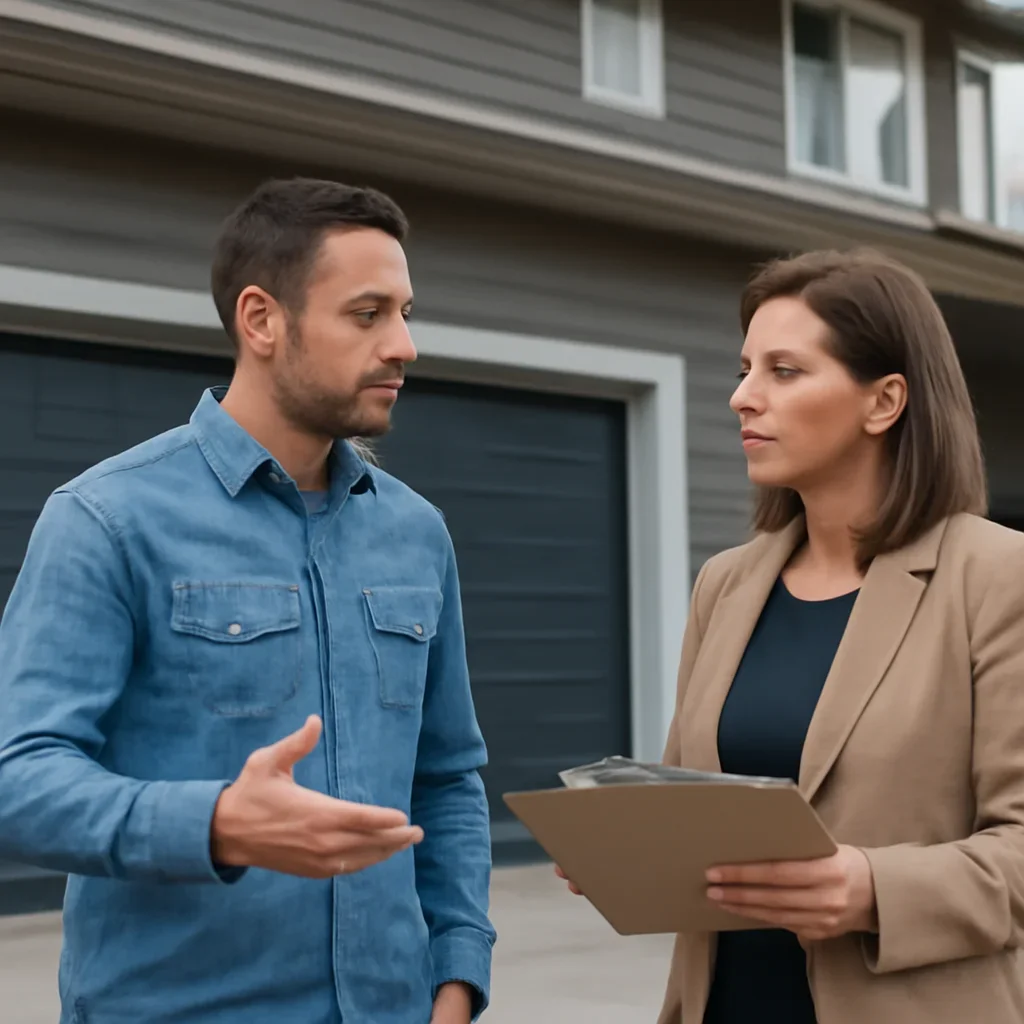
Repair may be the practical choice when the door remains structurally sound and the problem is limited to a serviceable part, opener, control, seal, or alignment issue. Replacement becomes more relevant when failures repeat, panels are badly damaged, insulation or appearance no longer suits the home, or the door cannot be secured reliably.
A quieter or smarter opener will not correct a door that is too heavy, crooked, binding, or mechanically unsafe. The door should be balanced and move correctly before an opener upgrade is treated as the solution.
Good guidance should separate the visible symptom from the underlying cause and explain what information is still needed before recommending parts or replacement.
The page separates opener, spring, cable, track, panel, seal, noise, and replacement concerns instead of treating every issue as the same repair.
Door size, housing type, driveway access, shared-lane rules, opener model, visible damage, and useful photos help make the first conversation more productive.
Repair, maintenance, panel work, opener service, and replacement should be compared using safety, reliability, appearance, parts, and long-term value.
These answers address the questions Morgan Heights homeowners, townhome residents, strata contacts, and property managers commonly need resolved before booking.
Note whether the door is stuck open, closed, or partway. Stop using the opener if the door is heavy, crooked, off track, hanging unevenly, or has a loose cable. Explain whether a vehicle is trapped or the garage cannot be secured when you use the contact page.
A newer home does not guarantee that every garage component is new or unworn. Service requests can involve opener and sensor faults, spring-cycle wear, noisy rollers or hinges, damaged decorative panels, worn seals, smart-access upgrades, and doors that have become less balanced after years of daily use.
Heavier insulated doors rely on correctly sized springs and an even cable-and-drum system. A broken or weakened spring, cable problem, track resistance, or balance change can make the door heavy, crooked, or difficult for the opener to lift.
Often, but the cause should be identified first. Noise may come from rollers, hinges, loose hardware, track friction, poor balance, opener rail vibration, or an aging motor. Maintenance or targeted repair may help, while some older openers may be worth replacing.
Sometimes. The decision depends on the damage, panel design, door model, colour and finish match, section availability, hinge condition, and whether the track or frame was affected. Multiple damaged or unavailable sections may make full replacement more practical.
They can. Access instructions, visitor parking, shared lanes, property-management contacts, exterior-change rules, approved colours, working hours, and responsibility for the door may need to be confirmed before installation or visible exterior changes.
Same-day availability depends on scheduling, technician routing, site access, the required parts, and urgency. Clearly describe a door that is stuck open, blocking a vehicle, unsafe, or leaving the property unsecured so the situation can be assessed appropriately.
Repair may make sense when the door is structurally sound and the problem is limited to one serviceable component. Replacement may be more practical when failures repeat, several panels are damaged, security or sealing is poor, matching parts are unavailable, or the door no longer suits the home.
Maintenance cannot prevent every breakdown, but it can identify loose hardware, worn rollers, dry hinges, track friction, balance changes, sensor issues, seal wear, and opener settings before they create a larger problem.
Useful details include the door size and style, property type, exact symptom, visible damage, spring and opener setup, site access, urgency, and whether matching panels or special parts may be needed. Review the pricing guidance page for the main cost factors.
Share the door position, exact symptom, property type, access limitations, visible damage, opener behaviour, and whether the request is urgent. Surrey Garage Door can direct the issue toward opener repair, spring work, maintenance, panel service, weatherstripping, installation, or replacement planning.