Spring and balance check
The door is checked for heavy movement, uneven travel, spring fatigue, poor balance, and signs that the opener may be compensating for the door.
Protect the lift system
Garage door maintenance in South Surrey helps protect the full door system before small wear becomes opener strain, noisy movement, seal failure, corrosion, or a sudden spring or cable problem. In a large service area with mature neighbourhoods, newer master-planned communities, townhome clusters, higher-end detached homes, commuter routines, and coastal pockets, preventive care should focus on weather exposure, smooth operation, safety, and long-term reliability.
If your South Surrey garage door is noisy, shaky, slow, uneven, drafty, rusty, heavy, or has not been checked recently, maintenance can help spot early wear before it becomes an urgent repair. A proper visit should review balance, springs, cables, rollers, hinges, tracks, weather seals, opener travel, safety sensors, auto-reverse, and signs of corrosion or moisture-related wear.

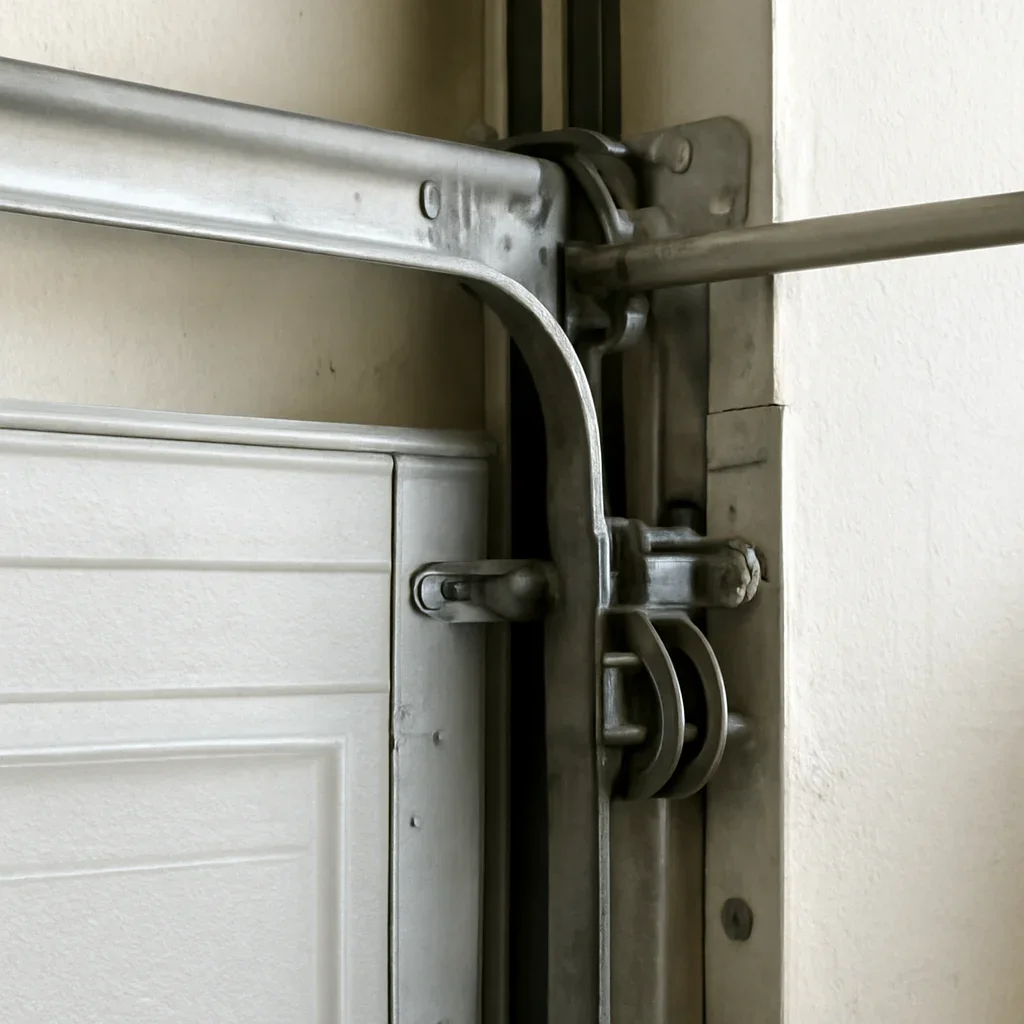
South Surrey includes a wide range of garage door environments. A door near coastal pockets may deal with damp air and corrosion risk, while a busy attached garage near commuter routes may cycle several times a day. Newer homes, townhomes, mature properties, and higher-end detached homes can all have different door weights, opener types, finishes, seals, and maintenance needs.
Around Highway 99, King George Boulevard, South Surrey neighbourhood roads, and coastal-facing areas, garage access is part of daily life for many households. Repeated use, moisture, rain, road grit, and changing temperatures can affect rollers, hinges, cables, tracks, bottom seals, opener force, sensors, and exterior hardware.
For broader area information, visit South Surrey garage door services. For the citywide maintenance overview, see Garage Door Maintenance in Surrey.
Maintenance should look at the door as one connected system. Smooth, quiet, safe operation depends on springs, cables, tracks, hardware, opener settings, safety sensors, and seals working together.
The door is checked for heavy movement, uneven travel, spring fatigue, poor balance, and signs that the opener may be compensating for the door.
Protect the lift systemCables, drums, bottom brackets, and lift components are checked for wear, corrosion, fraying, looseness, and uneven movement.
Catch risky wear earlyNoisy rollers, loose hinges, track movement, scraping, shaking, and rough travel can often be caught before they damage panels or hardware.
Reduce noise and dragOpener travel, force settings, remotes, wall controls, safety sensors, auto-reverse, and closing behaviour are reviewed for safe operation.
Improve opener reliabilityMoving parts are lubricated where appropriate, and loose fasteners or hardware are tightened when it is safe and practical to do so.
Keep movement smootherBottom seals, side seals, daylight gaps, rain entry, drafts, and visible corrosion are checked, especially where the door faces moisture exposure.
Improve protectionSafety note: if the door is crooked, hanging, has a loose cable, feels unusually heavy, or suddenly drops, do not treat it as routine maintenance. Stop using the opener and book a repair assessment.
The goal is to improve daily operation, identify worn parts early, and explain whether the door is safe, needs repair, or should be considered for replacement.
The visit starts with how often the door is used and whether you have noticed noise, shaking, slow travel, drafts, corrosion, opener strain, or uneven movement.
Springs, cables, rollers, hinges, tracks, drums, bearings, brackets, opener settings, sensors, seals, and hardware are reviewed together.
Moving parts are lubricated, loose hardware is checked, and minor adjustments are made where they fit the condition of the door.
You get practical guidance on what looks normal, what is wearing out, and whether repair, weatherstripping, opener service, or replacement should be planned.
In South Surrey, maintenance is especially useful before corrosion, seal wear, or opener strain becomes an urgent repair. Coastal moisture, damp weather, heavier insulated doors, daily commuter use, townhome garage access, and higher-end finishes can all make preventive inspection worthwhile.
A maintenance visit is also helpful when you are not sure whether the door needs a small tune-up, weather seal work, spring repair, opener service, track adjustment, or replacement. The inspection helps separate normal wear from problems that need service soon.
Damp air can make corrosion, hardware condition, and seal performance more important.
Quiet operation, secure closing, and better sealing matter when the garage connects to living space.
Heavier or upgraded doors should be checked for balance, opener match, and finish condition.
Frequent cycles can wear rollers, springs, hinges, cables, and opener parts faster.
Garage access needs to be dependable for daily departures, returns, storage, and vehicle use.
Maintenance can show whether a door is safe, serviceable, or nearing replacement.
You do not need to know the exact failed part. A clear description of the door, property, exposure, and symptom is enough to start.
Use this guide to describe the issue clearly. It helps separate routine maintenance from spring, opener, cable, track, weather seal, or replacement concerns.
| What you notice | What it may mean | Best next step |
|---|---|---|
| Door squeaks, rattles, or sounds rough | Dry moving parts, worn rollers, loose hinges, track friction, or aging hardware | Book maintenance before movement damages other components. |
| Door feels heavy or does not stay balanced | Spring fatigue, cable wear, balance issue, or door weight problem | Stop forcing the opener and request spring/balance inspection. |
| Rust, corrosion, or staining appears around hardware | Moisture exposure, aging hardware, worn finish, or corrosion-prone components | Ask for a moisture-aware inspection and repair planning. |
| Opener strains, hums, or needs repeated attempts | Opener setting issue, door resistance, balance trouble, sensor issue, or worn drive components | Check the door and opener together before replacing either one. |
| Rain, pests, cold air, or debris enter around the door | Bottom seal wear, side seal gaps, uneven closing, or door alignment issue | Request weather seal and closing-position inspection. |
| Maintenance keeps turning into repairs | The door may be aging, poorly balanced, corroding, or no longer cost-effective to maintain | Compare repair cost against installation or replacement options. |
A maintenance call may reveal that the opener, spring system, weather seals, or door itself needs a more specific service. These pages can help you compare the right next step.
Best for remotes, keypads, wall controls, safety sensors, travel limits, opener motors, and doors that reverse or stop unexpectedly.
View opener repair 02Best for heavy doors, broken spring symptoms, crooked travel, sudden failure, and openers that can no longer lift the door safely.
View spring repair 03Best when the existing door is damaged, corroded, outdated, poorly sealed, repeatedly failing, or no longer worth ongoing maintenance.
View installationThese answers help South Surrey homeowners, landlords, townhome owners, and property managers decide when maintenance is useful and when a repair may be needed instead.
You may need maintenance if the door is noisy, shaky, slow, uneven, dry, rusty, drafty, unreliable, or has not been inspected recently. If the door is heavy, crooked, stuck, hanging, or has a loose cable, it may need repair rather than routine maintenance.
Yes. Moisture exposure can make corrosion, weather seal wear, hardware condition, and door finish more important. South Surrey properties closer to coastal pockets may benefit from closer checks of seals, rollers, hinges, cables, and exterior hardware.
Maintenance can help spot spring fatigue, poor balance, opener strain, sensor issues, track wear, corrosion, and loose hardware early. It cannot stop all part failures, but it can reduce preventable wear and help you plan repairs before an urgent breakdown.
Yes. Heavier insulated doors, upgraded finishes, and larger residential doors should be checked for balance, opener compatibility, seal condition, roller wear, and hardware stress so the system continues operating smoothly.
Share your South Surrey location, property type, door age if known, opener type if known, the exact symptom, moisture exposure, and whether the door is noisy, slow, heavy, uneven, leaking air, rusty, or used frequently each day.
You can review pricing guidance to understand what can affect garage door maintenance, opener work, repair, installation, and replacement costs.
Whether the door is noisy, dry, uneven, slow, heavy, rusty, drafty, hard to close, or simply overdue for a check, start with the symptom and how often the garage is used. Surrey Garage Door can help route the visit toward maintenance, opener service, spring repair, weather seal work, installation, or replacement advice.