Residential garage door service in Surrey

Residential Garage Door Repair in Surrey, BC

Get practical help when your home garage door becomes stuck, unusually loud, heavy, crooked, slow, damaged, unreliable, or difficult to close securely.

For many Surrey households, the garage door supports parking, school runs, work commutes, bikes, tools, storage, deliveries, and everyday entry into the home. When the system stops working properly, the problem can affect both convenience and security.

  • Diagnosis for springs, cables, tracks, rollers, hinges, openers, sensors, panels, and seals.
  • Residential guidance for detached homes, townhouses, strata properties, rental homes, and suite properties.
  • A clearer decision between focused repair, preventive maintenance, opener work, and full replacement.
Quick answer

If the door is stuck, hanging unevenly, unusually heavy, off its track, or leaving the garage unsecured, stop pressing the opener and avoid forcing the door by hand. Describe the door position, visible symptoms, property type, and access impact when requesting service.

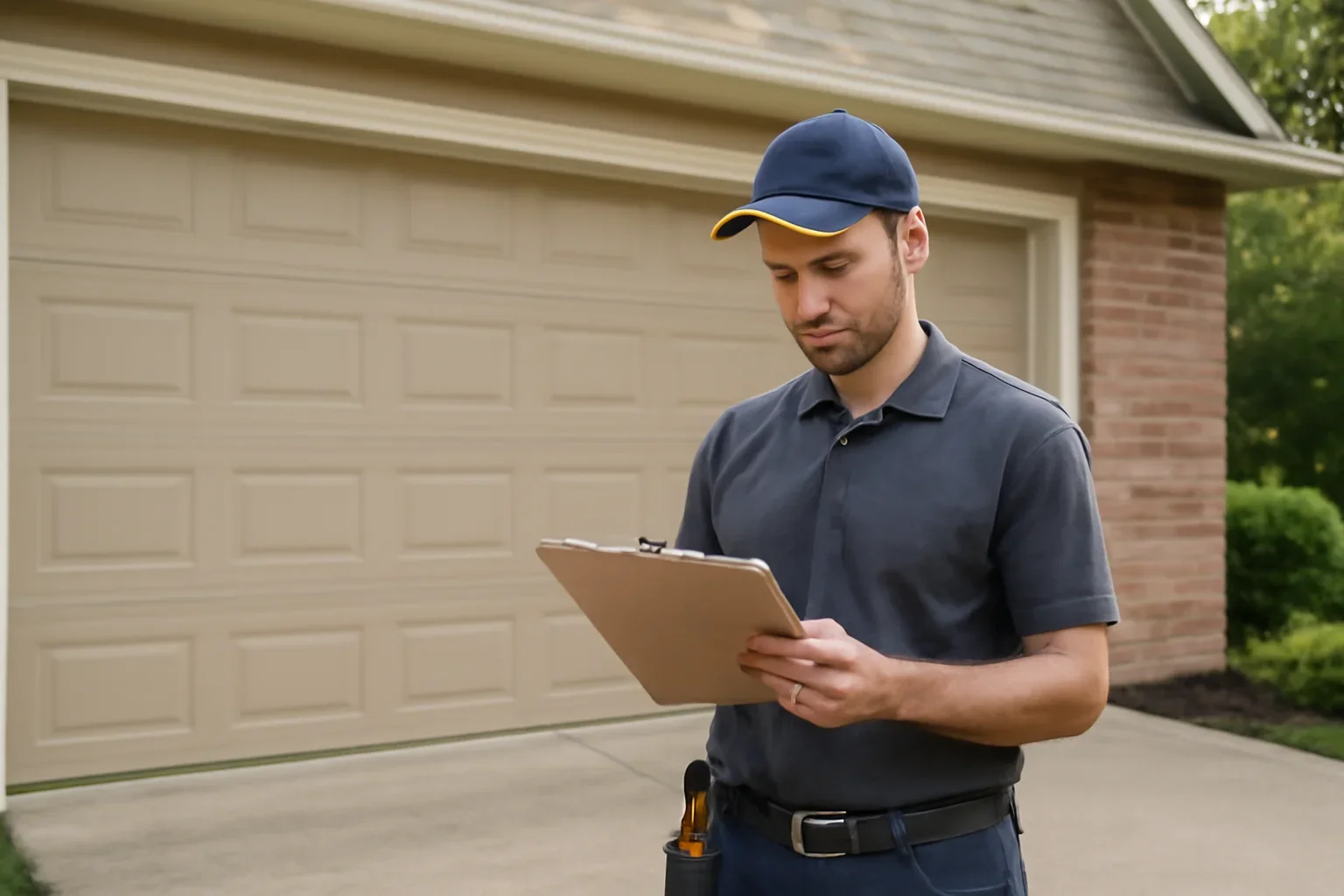
Technician assessing a residential garage door repair problem at a Surrey home
Start with what the door is doing You do not need to identify the failed part. Explain whether the door is open, closed, stuck, crooked, noisy, reversing, or difficult to move.
Home-focused service Access, security, noise, storage, and household routines
Full-system diagnosis Door hardware, lift system, opener, controls, and seals
Surrey property context Detached homes, townhouses, strata, rentals, and suites
Practical next step Repair, maintenance, opener service, or replacement
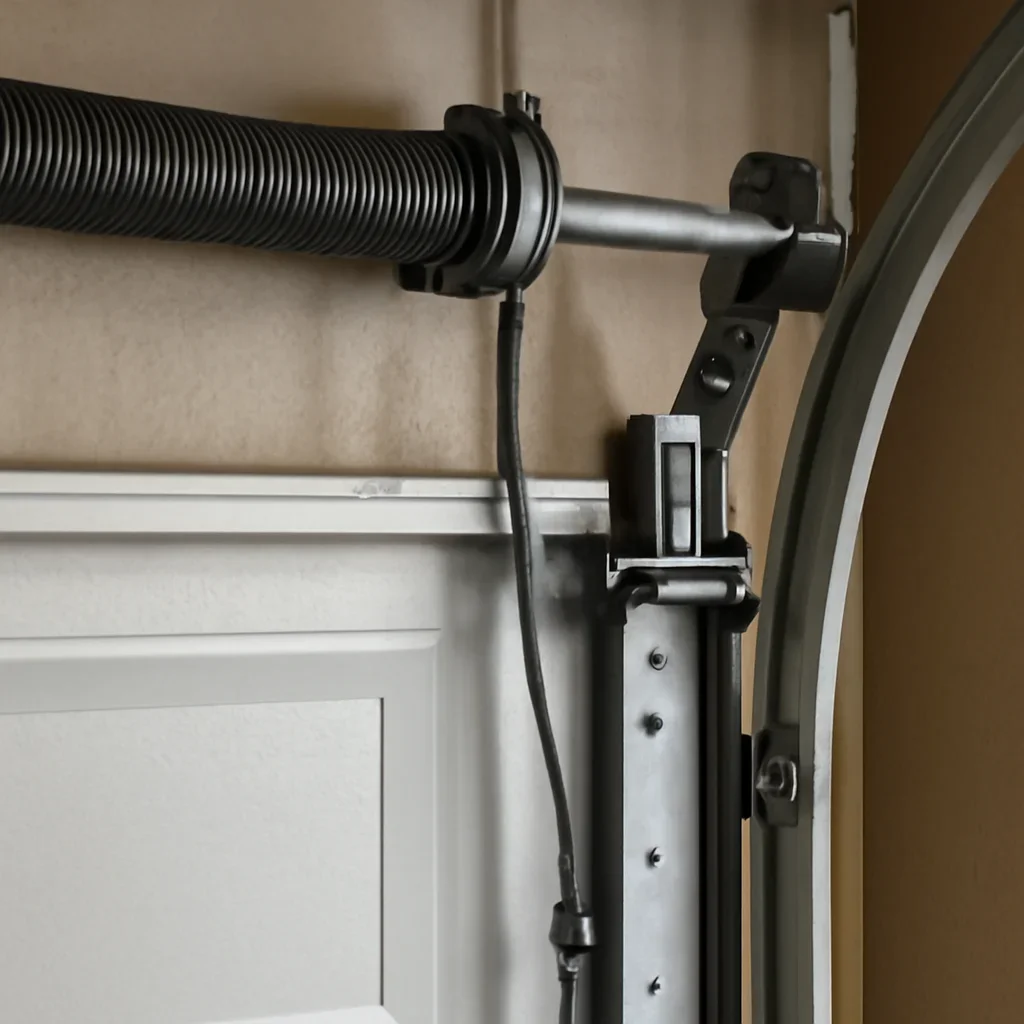
Residential garage door hardware being inspected during a Surrey repair assessment
Real Surrey home conditions

Why residential garage door problems need more than a one-part assumption

Surrey includes newer subdivisions, established neighbourhoods, townhome developments, strata properties, rental homes, secondary-suite properties, and older detached garages. The same symptom can have a different cause depending on the door size, age, hardware, opener, installation, daily use, and exposure to weather.

A noisy door may need lubrication and hardware adjustment, but it may also be losing balance or placing extra strain on the opener. A door that will not close may involve the safety sensors, travel settings, track alignment, weather seal, floor contact, or an obstruction.

The better repair path starts by checking how the complete door system works together instead of replacing the first visible component without testing balance, movement, safety response, and secure closing.

  • Frequent daily use can accelerate wear on rollers, hinges, springs, cables, and opener parts.
  • Wet Lower Mainland weather can make worn seals, corrosion, moisture entry, and sensor issues more noticeable.
  • Attached garages may make door noise, drafts, and secure closing more important to the household.
  • Townhouse and strata settings may require quieter operation and attention to shared-property requirements.

Helpful information to provide when requesting service

A clear description can help identify the likely urgency and the most relevant service category before the appointment.

Door position and symptom Open, closed, halfway, crooked, heavy, noisy, shaking, reversing, stuck, or not responding.
Home and garage type Attached garage, detached garage, townhouse, strata property, rental home, or suite property.
Impact on the household Vehicle trapped, daily entry blocked, garage unsecured, storage inaccessible, or routine interrupted.
Residential repair services

Common garage door problems affecting Surrey homeowners

The visible symptom is only the starting point. Springs, cables, rollers, tracks, panels, openers, sensors, seals, and door balance should be considered as connected parts of one system.

Safety note: do not force a garage door that is hanging by one side, off its track, unusually heavy, visibly damaged, or supported by a loose cable. Continuing to use the opener can damage additional components and make the door less stable.

Symptom guide

What your residential garage door problem may indicate

These examples are not a substitute for an inspection, but they can help you describe the problem accurately and avoid assuming that the opener is always the cause.

What you notice What may be involved Practical next step
The door feels very heavy Broken or weakened spring, cable problem, balance issue, or mechanical resistance. Stop using the opener and arrange a full lift-system assessment.
The door opens crooked Cable, spring, drum, roller, hinge, bracket, or track-alignment problem. Avoid forcing the door because uneven movement can damage panels and tracks.
The opener hums or strains Heavy door, poor balance, worn opener parts, trolley problem, or resistance in the door system. Have the door balance and mechanical movement checked before replacing the opener.
The door reverses before closing Sensor alignment, obstruction, travel setting, track resistance, seal drag, or uneven floor contact. Check for visible obstructions, then request opener and safety-system troubleshooting.
The door scrapes, shakes, or grinds Worn rollers, loose hinges, track movement, alignment problems, or opener strain. Book service before repeated movement causes more extensive hardware or panel damage.
Water or daylight appears under the door Bottom-seal wear, side gaps, uneven concrete, poor door fit, or closing-position trouble. Request a seal, alignment, and floor-contact review.
The remote works only occasionally Battery, programming, receiver, interference, antenna, keypad, or opener-control issue. Record whether the wall control still works and whether the problem affects every remote.

A door that has come off its track, is stuck in an unsafe position, or cannot secure the garage may require emergency garage door repair in Surrey. Visible track damage can also be reviewed through garage door track repair.

Repair, upgrade, or replace

Choose the path that fits the door and the home

A focused repair can be practical when the door remains structurally sound. Replacement becomes more relevant when failures keep returning or the existing system no longer supports security, insulation, appearance, quiet operation, or reliable access.

A

Repair may be the better starting point when

  • The problem is limited to a serviceable spring, cable, roller, hinge, track, opener, panel, or seal.
  • The door sections remain stable and reasonably aligned.
  • The door can be rebalanced and tested for safe movement.
  • The existing system still suits the household’s daily access needs.
Explore opener installation
B

Replacement may deserve consideration when

  • The door has a pattern of repeated failures or growing repair costs.
  • Multiple sections are damaged, warped, corroded, poorly sealed, or difficult to secure.
  • The opener and door are poorly matched or both approaching the end of practical service life.
  • The homeowner wants better insulation, quieter operation, updated access, or a different appearance.
Review replacement options
Service process

What a residential garage door repair assessment should cover

The objective is to identify the actual cause, restore dependable operation where practical, and explain whether additional maintenance or replacement planning is justified.

Confirm the symptom

Note the door position, unusual sound, movement, opener response, visible damage, and whether access or security is affected.

Inspect the complete system

Review springs, cables, rollers, hinges, brackets, tracks, panels, opener controls, safety sensors, seals, and door balance.

Explain the repair path

Separate the immediate failure from broader wear and identify whether repair, maintenance, opener work, or replacement is more practical.

Test the completed work

Check movement, balance, travel, secure closing, opener response, controls, and safety reversal before normal use resumes.

Residential repair answers

Frequently asked questions

These answers provide a practical starting point for Surrey homeowners, landlords, strata contacts, and residents managing a home garage door problem.

What should I do when my garage door is stuck or uneven?

Stop using the opener and avoid forcing the door. A stuck or uneven door can involve a broken spring, loose cable, track problem, damaged roller, bracket issue, or loss of balance. Note whether the door is open, closed, halfway, crooked, or hanging by one side before requesting service.

Why has my residential garage door suddenly become loud?

A sudden change in sound may involve worn rollers, loose hardware, dry hinges, track movement, opener wear, spring strain, or a door moving out of balance. The sound and the point in the travel where it occurs can help narrow the inspection.

Can an older garage door in Surrey still be repaired?

Many older garage doors can still be repaired when the sections remain stable and suitable parts are available. Replacement may be more practical when the system has repeated failures, widespread damage, poor sealing, outdated hardware, opener mismatch, or ongoing security concerns.

Should I arrange maintenance when the garage door still works?

Maintenance can be useful when the door still operates but has become louder, slower, rougher, or less consistent. It may identify loose hardware, worn rollers, balance changes, sensor issues, seal wear, cable concerns, or opener strain before access is interrupted.

Can garage door service help with rainwater entering under the door?

It may help when water entry is connected to a worn bottom seal, side gap, poor door alignment, damaged panel, or incorrect closing position. Water can also be influenced by the garage floor, threshold, grading, or drainage, so the source should be assessed rather than assuming a new seal will solve every case.

When is garage door replacement more practical than another repair?

Replacement deserves consideration when several major components are worn, multiple panels are damaged, the door is difficult to secure, insulation is poor, the opener and door are mismatched, or repair costs keep returning without restoring dependable performance.

Request residential service

Tell Surrey Garage Door what your home garage door is doing

Share your Surrey location, property type, door position, visible symptoms, opener response, and whether a vehicle, household entry, storage area, or garage security is affected. Clear details help direct the request toward the most relevant service.

Address 10362 King George Blvd, Surrey, BC V3T 2W5
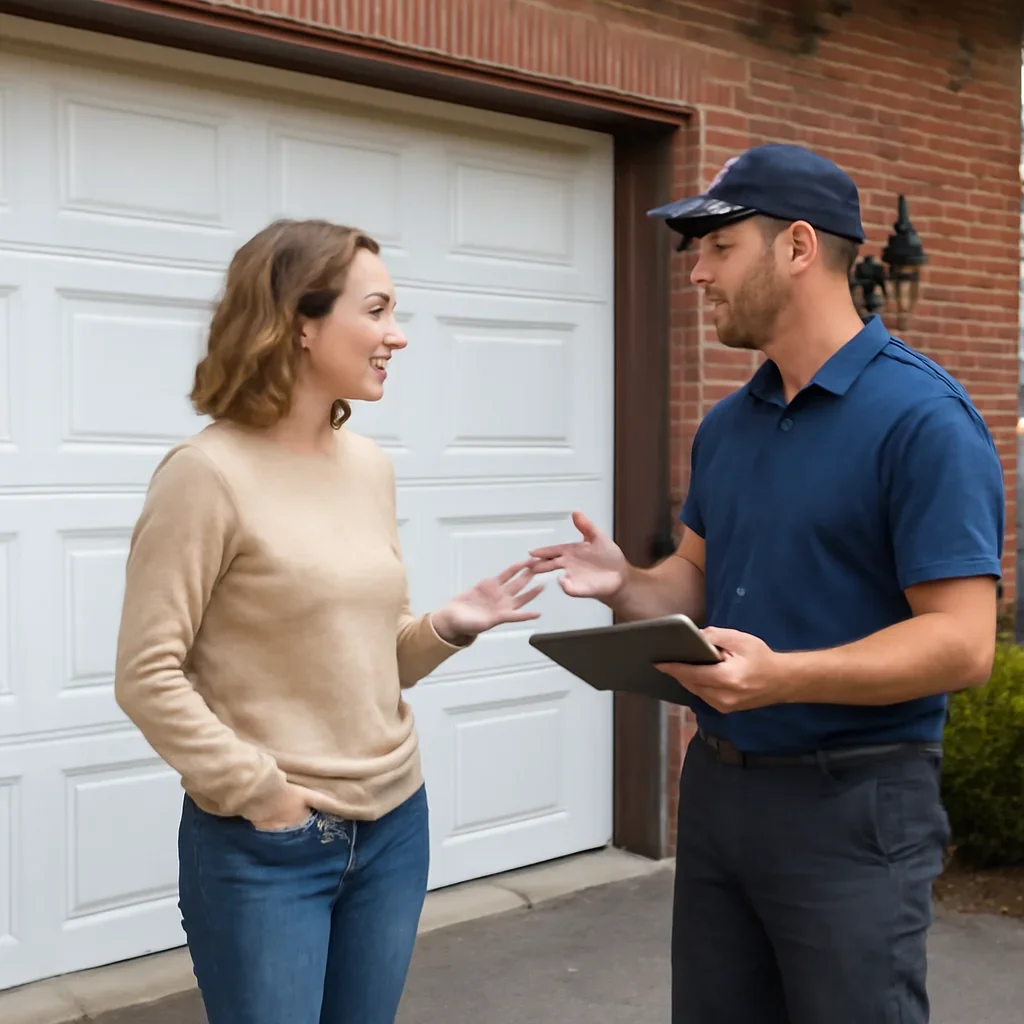
Surrey homeowner discussing a residential garage door repair request