Detached homes
Daily vehicle access, attached living space, weather seals, opener noise, and secure closing often matter most.

A garage door problem in Guildford can interrupt a morning commute, trap a vehicle, affect shared parking, or leave a storage or business area unsecured. Surrey Garage Door helps homeowners, landlords, strata contacts, and local businesses identify the problem and choose the right repair path.
Service needs vary across the neighbourhood. Properties near Guildford Town Centre, 104 Avenue, 152 Street, 108 Avenue, and the Highway 1 corridor include detached homes, townhomes, rental properties, strata garages, and commercial access points. The diagnosis should match the door, the building, and how the opening is used.
If the door is hanging unevenly, feels unusually heavy, has a loose cable, or will not move normally, stop operating it. Share the door position, property type, exact symptom, and whether a vehicle, tenant, delivery, or secure access point is affected.

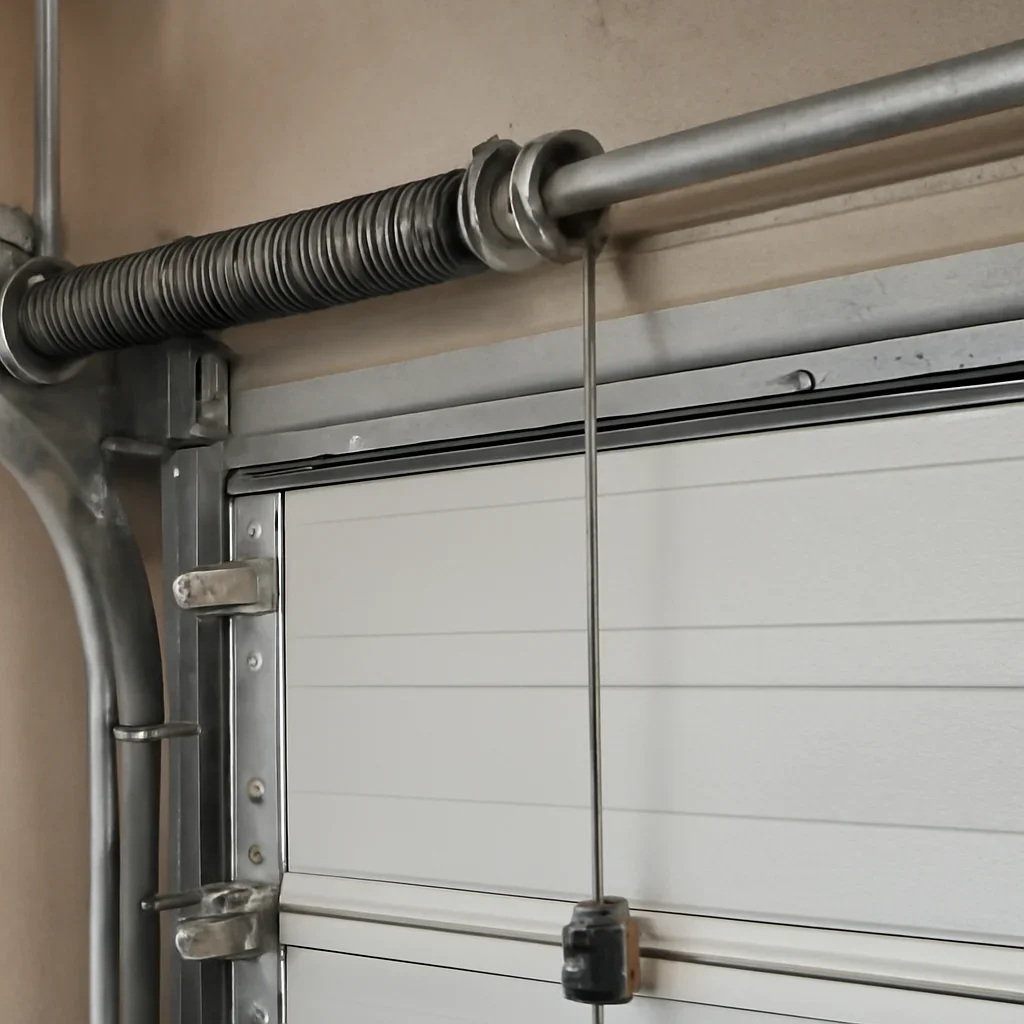
Guildford combines mature residential streets with townhouse and strata developments, rental housing, shopping destinations, and commercial activity. A private residential door may be used mainly for family parking, while a shared or commercial opening can affect several people and require clearer access planning.
The area’s major routes also make reliable morning and evening access important. A door that hesitates, reverses, scrapes, or needs several attempts to close should be checked before it becomes a complete failure.
For a nearby retail-centre service area, see Guildford Town Centre garage door service.
The visible symptom does not always identify the failed part. These service paths help explain what may need to be inspected before a repair is recommended.
For remote, wall-control, keypad, sensor, motor, travel-limit, or door-reversal problems.
Review opener repair 02For a heavy door, limited movement, sudden failure, poor balance, or an opener that strains to lift.
Review spring repair 03For scraping, shaking, repeated jamming, roller binding, or movement that no longer follows the track smoothly.
Review track repair 04For a loose, frayed, displaced, or broken cable and doors that sit crooked or lift unevenly.
Review cable repair 05For noise, rough travel, loose hardware, balance concerns, or preventive attention before daily access is interrupted.
Review maintenance 06For repeated failures, extensive section damage, poor sealing, obsolete hardware, or repair costs that no longer offer good value.
Review replacementSafety note: Do not pull, adjust, or reconnect a spring or cable yourself. If the door is crooked, hanging, jammed, or unusually heavy, stop using the opener and arrange an assessment.
The same symptom can create different priorities depending on who uses the opening, how often it moves, and what is behind the door.
Daily vehicle access, attached living space, weather seals, opener noise, and secure closing often matter most.
Shared drive aisles, parking rules, access instructions, resident schedules, and noise may affect the visit.
Clear symptom details and coordination between the occupant, owner, and manager can reduce delays.
Security, delivery timing, work vehicles, stored materials, staff access, and downtime may make the issue more urgent.
Use this guide to describe what you see or hear. A technician still needs to inspect the complete system before confirming the cause.
| What you notice | What may be involved | Recommended next step |
|---|---|---|
| Remote, keypad, or wall control does not work | Power, batteries, programming, receiver, wiring, sensors, travel settings, or opener controls | Describe which controls work and whether the opener lights, hums, or flashes. |
| Door feels heavy or moves only a few inches | Spring balance, cable condition, roller resistance, track friction, or opener strain | Stop forcing the opener and arrange a lift-system inspection. |
| Door scrapes, shakes, or repeatedly jams | Track alignment, roller wear, loose hinges, panel movement, or hardware interference | Book service before the movement damages panels or lift components. |
| Door sits crooked or one side is lower | Cable, drum, spring balance, roller position, bracket, or track issue | Do not keep cycling the door. Treat it as a safety and access concern. |
| Door reverses or will not close fully | Sensor alignment, obstruction, travel limit, track resistance, seal pressure, or opener setting | Check for a visible obstruction, then request opener and safety-device troubleshooting. |
| Repairs keep becoming necessary | Aging components, mismatched opener, damaged sections, poor balance, or an outdated system | Compare the next repair with replacement and long-term operating value. |
You do not need to diagnose the failed part. A clear description of the situation is more useful.
The goal is to identify the cause, explain the available options, and restore safe, reliable operation without recommending more work than the door requires.
Start with the symptom, door position, property type, access impact, and anything that changed before the failure.
Balance, springs, cables, drums, tracks, rollers, hinges, panels, seals, opener settings, and safety devices are considered together.
The recommendation should distinguish an isolated repair from wider wear, maintenance needs, or a replacement decision.
Travel, balance, secure closing, opener response, and safety operation should be checked before sign-off.
Many problems can be repaired. The better decision depends on safety, door condition, repair history, insulation, opener compatibility, parts availability, and how important reliable access is to the property.
Usually appropriate when one serviceable component has failed and the rest of the system remains sound.
Useful when the door still operates but has become noisy, rough, loose, or overdue for inspection.
Important when the door is unsafe, stuck, unsecured, hanging unevenly, or blocking essential access.
Worth comparing when major damage, repeated repairs, poor sealing, or obsolete parts reduce repair value.
Neighbourhood boundaries are not always obvious from the street. These nearby Surrey pages may be more specific to your property.
Clear answers for Guildford homeowners, landlords, strata contacts, property managers, and businesses.
Common service requests involve openers that stop responding, heavy or unbalanced doors, worn rollers, noisy tracks, cable issues, doors that reverse, and older systems that need repair-versus-replacement guidance. The exact pattern depends on the property and how often the door operates.
Same-day appointments may be available depending on routing, schedule, parts, and urgency. Explain whether the door is stuck, unsafe, unsecured, or blocking a vehicle, tenant, delivery, or business access point when you call.
No. A heavy or crooked door may involve the spring, cable, drum, track, roller, or balance system. Continuing to force it can damage the opener and make the door less stable.
They can. Shared access, parking rules, resident schedules, gate or door permissions, visitor entry, noise, and communication with a strata contact may affect how the visit is arranged.
Replacement is worth comparing when the door has major section damage, recurring failures, poor sealing, unavailable parts, an incompatible opener, or several aging components that are likely to need work soon.
Maintenance can help identify loose hardware, roller or track wear, balance concerns, seal problems, and opener strain. It cannot restore a failed spring, broken cable, severely damaged section, or unsafe structural condition.
Provide the property address, occupant or site contact, access instructions, door position, exact symptom, property type, and whether parking, security, tenants, deliveries, or work schedules are affected.
Review the Surrey Garage Door FAQ for broader information about repairs, service planning, maintenance, and common garage door concerns.
Describe the symptom, door position, property type, nearest Guildford area, and whether access or security is affected. That is enough to begin routing the issue toward repair, maintenance, opener service, spring or cable work, track service, or replacement advice.