Confirm the access problem
Start with the door position, visible damage, property type, and whether a vehicle, tenant, delivery, or work area is blocked.

A garage door that is crooked, jammed, scraping, or visibly outside its track should be treated as unstable until the cause is identified. Stop using the opener and avoid pushing the door by hand, especially when a roller is out, a cable is loose, or one side is hanging lower.
Surrey Garage Door helps homeowners, strata contacts, property managers, and businesses identify why a door derailed and choose the right repair path. The inspection should cover the track, rollers, hinges, brackets, cables, spring balance, panels, and opener strain—not simply push the roller back into place.
If a roller has left the track or the door is hanging unevenly, stop operating it. Share whether the door is open, closed, halfway, blocking a vehicle, or leaving the property unsecured so the service request can be routed by urgency.
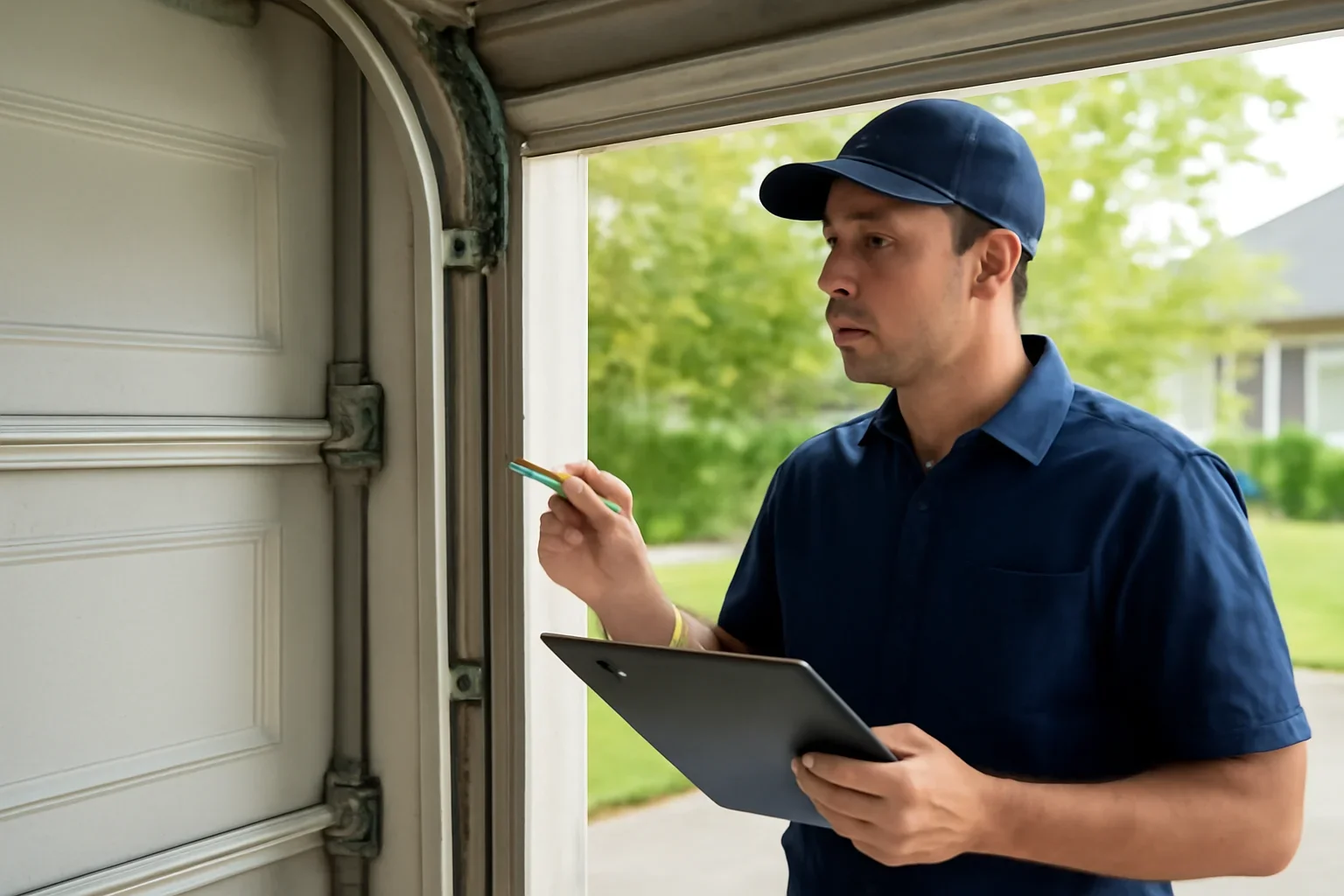
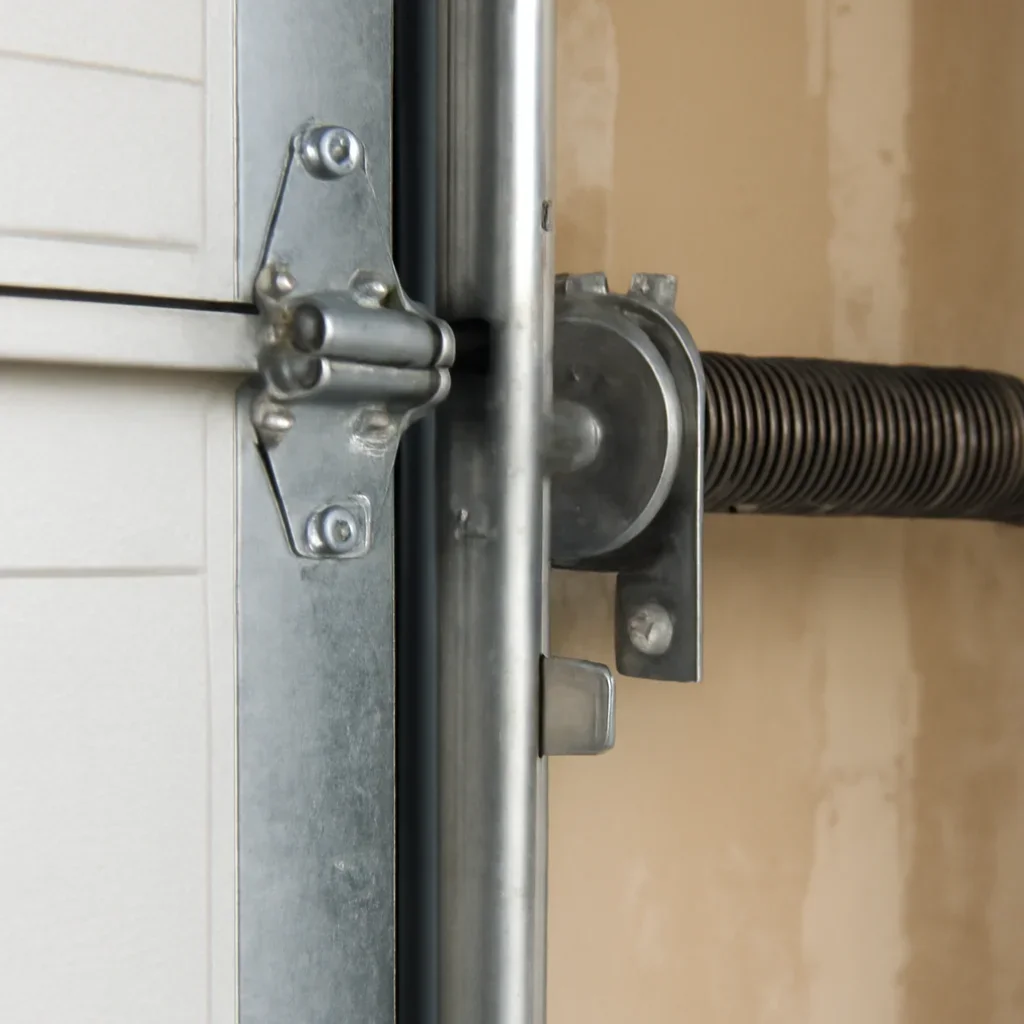
An off-track door is rarely just a cosmetic alignment problem. Once the door twists, the rollers, hinges, panels, cables, bottom brackets, and opener can begin carrying loads they were not designed to handle.
If the door is stuck open, hanging unevenly, or blocking a vehicle or business entrance, use the contact page. When access, safety, or security is affected, review emergency garage door repair in Surrey.
You do not need to diagnose the failed part. A clear description of the door position and business or household impact is more useful.
Resetting a roller without finding the cause can lead to repeat derailment. A practical repair considers the full guiding, lifting, and powered-opening system.
A slipped or damaged cable can pull one side of the door higher, create slack, and move rollers out of alignment.
View cable repair support 02A weak or broken spring can make the door heavy, uneven, and more likely to twist during travel.
View spring repair support 03An opener can worsen damage when it keeps pulling against a jammed, crooked, or poorly balanced door.
View opener repair support 04A bent section or stressed hinge can change the door geometry and prevent rollers from following the track correctly.
View panel repair support 05Worn rollers, loose fasteners, dry movement, and small alignment changes can build into repeated binding or derailment.
View maintenance options 06A door stuck open, hanging, blocking a vehicle, or interrupting commercial access may need priority routing.
View emergency repair helpSafety note: Cables, springs, drums, and bottom brackets can remain under tension even when the door will not move. Do not loosen or reposition those components without proper tools and training.
Surrey includes established residential areas, newer attached garages, strata properties, rural-edge parcels, and industrial access areas. That mix changes what matters most during an off-track call: household access, shared parking, rental security, work vehicles, deliveries, or a service bay that cannot close.
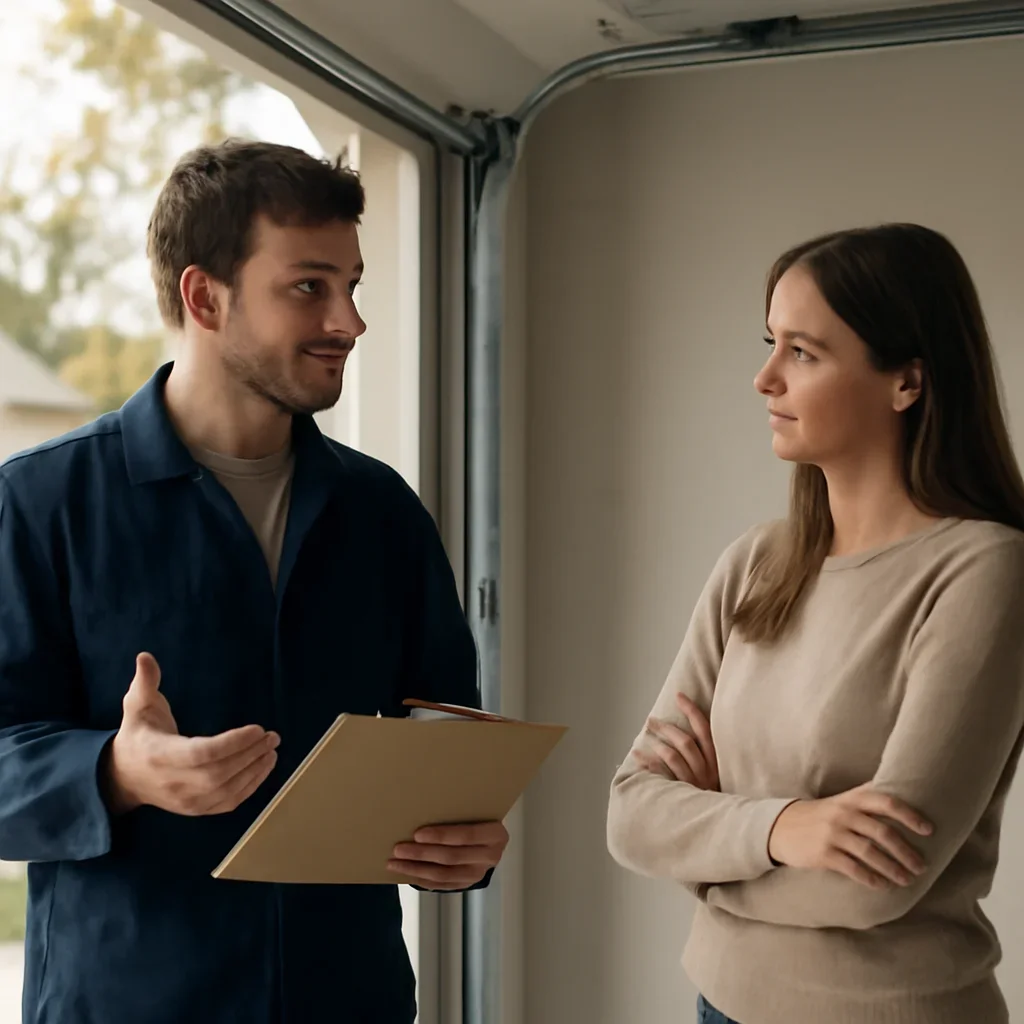
Use this guide to describe the symptom clearly. It helps separate track and roller issues from cable, spring, panel, opener, and broader balance concerns.
| What you notice | What may be happening | Best next step |
|---|---|---|
| One roller is visibly outside the track | Track spread, impact, roller wear, hinge movement, or door twist. | Stop operating the door and request an off-track inspection. |
| The door is crooked or one side hangs lower | Cable slip, drum trouble, spring imbalance, roller derailment, or damaged hardware. | Keep clear of the opening and mention any loose cable when booking. |
| The door scrapes, grinds, or shakes | Bent track, worn rollers, loose fasteners, dry movement, or panel misalignment. | Book service before friction damages more rollers, hinges, or panels. |
| The opener runs but the door binds | Mechanical resistance, poor balance, damaged track, or opener strain. | Stop repeating the cycle and include the opener behaviour in the request. |
| The door came off track after impact | Track displacement, panel damage, bent hinges, roller damage, or bracket movement. | Photograph the impact area safely and ask for track and panel inspection. |
| The door keeps derailing or jamming | Unresolved balance, worn rollers, loose hardware, damaged track, or an aging door system. | Request a full-system check and compare repair with maintenance or replacement. |
The goal is to stabilize the door, identify why it left the track, correct the connected problem, and verify that the system moves safely before normal use resumes.
Start with the door position, visible damage, property type, and whether a vehicle, tenant, delivery, or work area is blocked.
Review tracks, rollers, hinges, cables, drums, brackets, panels, spring balance, and opener strain before resetting travel.
Clarify what failed first, which parts are serviceable, and whether maintenance or replacement should be compared.
Check alignment, balance, travel, secure closing, opener response, and safety functions before sign-off.
Many off-track doors can be repaired when the panels are sound, the track can be corrected, and the lifting system can be restored to proper balance. A broader decision may be needed when damage is repeated, the door is badly bent, or several major components are worn.
For early wear, loose hardware, roller friction, and minor alignment concerns, review garage door maintenance in Surrey. When the system is severely damaged or repeatedly derailing, compare garage door replacement options.
Use the relevant local page for neighbourhood-specific service context, access considerations, and related garage door support.
Trust is built by showing what was found, what caused the derailment, what needs immediate attention, and what can be monitored rather than relying on vague repair language.
Was the derailment caused by impact, roller wear, loose track, cable movement, poor balance, panel damage, or opener force?
Which tracks, rollers, hinges, cables, springs, brackets, panels, or opener components were checked with the visible problem?
Is the system suitable for repair, does it need preventive maintenance, or would replacement avoid repeated spending?
Practical answers for Surrey homeowners, strata contacts, landlords, property managers, and businesses dealing with a crooked, jammed, scraping, or derailed garage door.
Common causes include vehicle or object impact, worn rollers, loose track fasteners, bent track, damaged hinges, cable movement, poor spring balance, panel damage, or an opener forcing a door that is already binding.
No. Forcing the door can bend more hardware, damage panels, move cables out of position, strain the opener, or make the door less stable. Keep clear of the opening and request service.
It may be urgent when the door is hanging unevenly, stuck open, blocking a vehicle, leaving the garage unsecured, or interrupting tenant or business access. In those situations, review emergency garage door repair.
Sometimes. A door can leave the track because the lifting system became uneven first. Cables, drums, springs, rollers, hinges, brackets, and opener strain should be reviewed when the door is crooked or derailed.
That depends on the location and severity of the damage, whether the mounting points remain sound, and whether rollers and panels can move correctly after alignment. Severely deformed or structurally compromised sections may need replacement.
Maintenance cannot prevent every impact or sudden failure, but it can identify loose fasteners, worn rollers, track friction, balance problems, cable wear, and hinge movement before they become a larger derailment.
Share your Surrey neighbourhood, property type, door position, visible roller or cable issues, whether there was an impact, and whether a vehicle, tenant, delivery, or business entrance is blocked. Photos taken from a safe distance can also help.
Visit the Surrey Garage Door FAQ for broader answers about repair, maintenance, openers, springs, installation, pricing, and service planning.
Share whether the door is crooked, scraping, stuck, visibly derailed, hanging unevenly, or blocking access. Include your Surrey neighbourhood, property type, door position, visible damage, and whether the situation affects safety or security.