
Port Kells industrial door service

Commercial Garage Door Repair in Port Kells, Surrey

A failed commercial garage door can stop loading, block fleet vehicles, interrupt staff movement, expose inventory, and prevent a warehouse or yard from closing securely. Surrey Garage Door helps Port Kells businesses, building operators, property managers, and industrial tenants identify the failure and choose a practical repair path.

  • Warehouse, service-bay, and industrial doors
  • High-cycle hardware, tracks, springs, cables, and operators
  • Urgent support for blocked or unsecured access
Quick answer

If a warehouse, overhead, sectional, or roll-up door is stuck, crooked, off track, unusually heavy, or unable to close securely, stop operating it. When booking, provide the door type, position, approximate size, exact symptom, and operational impact. State clearly if a delivery bay is blocked, a vehicle is trapped, or the building cannot be secured.

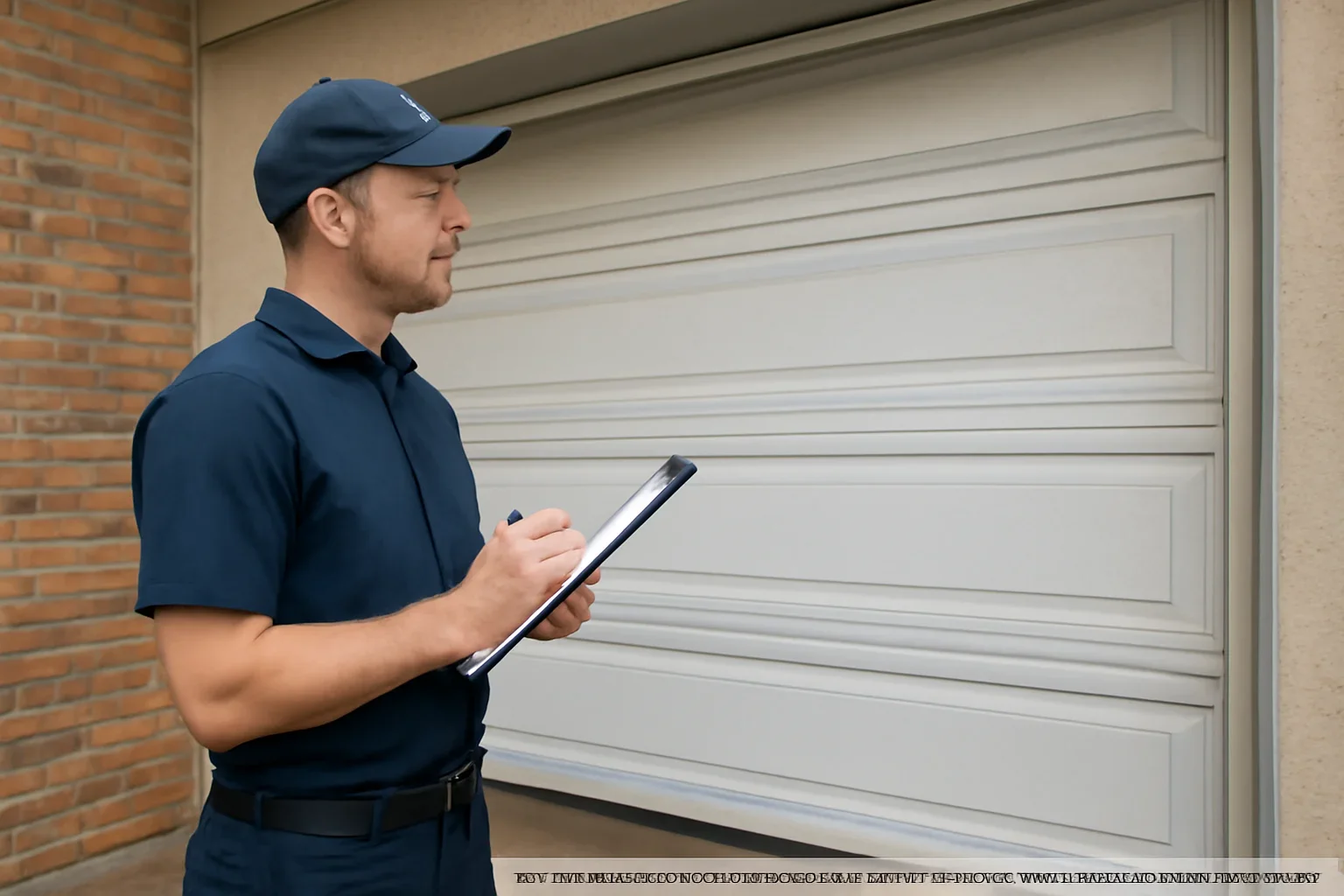
Technician inspecting a commercial warehouse garage door in Port Kells Surrey
Is the bay blocking operations? Tell us whether the door is open, closed, halfway, crooked, jammed, or unsafe and what part of the operation is affected.
Industrial-area context Warehouses, yards, shops, service bays, and storage buildings
Downtime-focused service Access, loading, security, and workflow considered together
Complete diagnosis Door, lifting hardware, operator, controls, and safety devices
Urgency-based routing Priority for unsafe, blocked, or unsecured doors
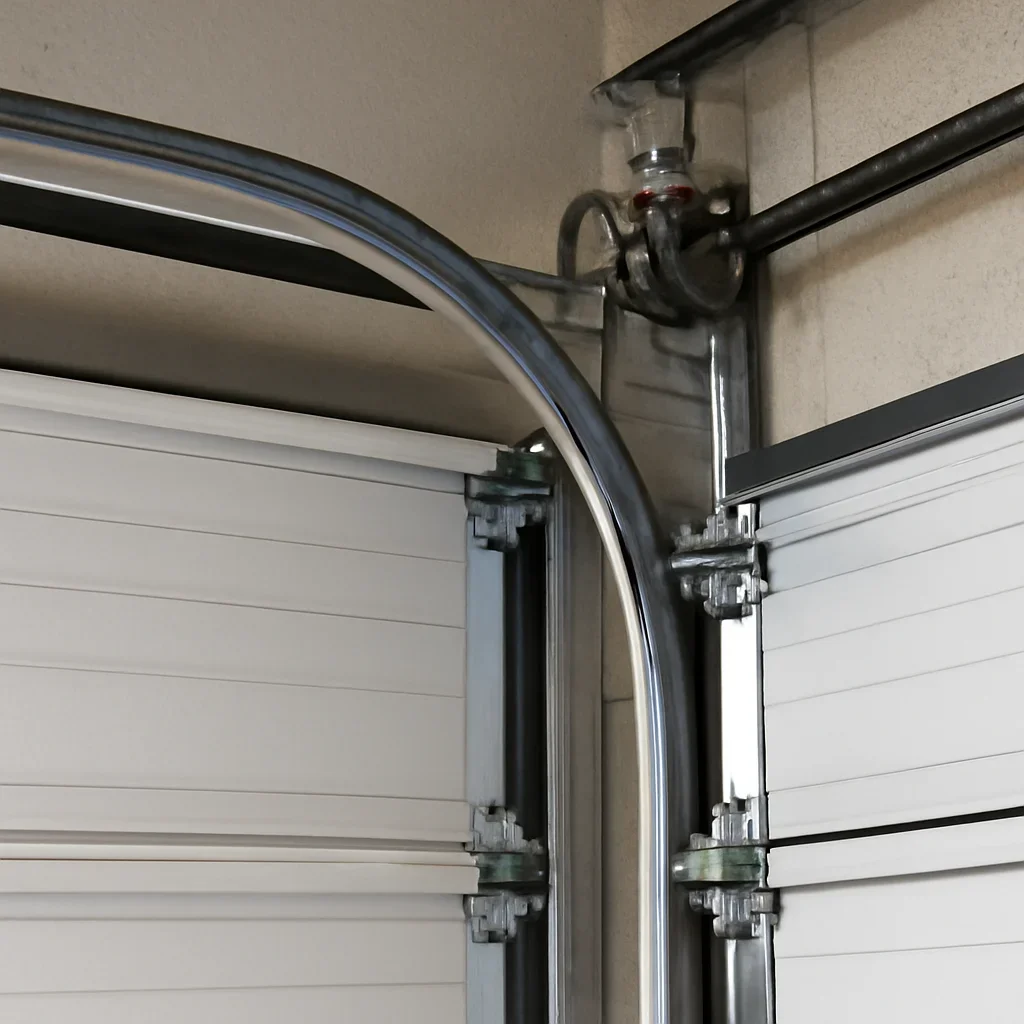
Commercial overhead door hardware being inspected during repair service in Port Kells Surrey
Hyperlocal repair context

Why Port Kells door failures can become operational problems quickly

Port Kells is one of Surrey’s established industrial and employment areas. Local properties can include warehouses, distribution facilities, contractor yards, manufacturing spaces, workshops, storage buildings, fleet operations, and service businesses where overhead-door access is part of the daily workflow.

A door used repeatedly by delivery vehicles, forklifts, staff, or service crews experiences different wear than a low-cycle residential door. Springs, cables, rollers, hinges, tracks, operators, controls, and safety equipment must all match the door’s size, weight, frequency of use, and operating environment.

For broader neighbourhood information, visit Port Kells garage door services . For the citywide service overview, see Commercial Garage Door Repair in Surrey .

  • High-cycle doors can wear springs, cables, rollers, hinges, and operator components faster than occasional-use doors.
  • Loading and service-bay failures may interrupt receiving, dispatch, fleet movement, and scheduled work.
  • Yard and warehouse doors may be exposed to vehicle contact, debris, moisture, dust, and repeated temperature changes.
  • A door stuck open can create an immediate security, weather, and inventory-protection concern.
Common commercial repair needs

What we check before recommending a Port Kells repair

Commercial doors should be assessed as complete operating systems. Replacing the first visibly damaged part without checking balance, alignment, operator settings, controls, and safety equipment can leave the underlying problem unresolved.

01

Loading or service-bay door stuck

A door stuck open, closed, or halfway can interrupt receiving, dispatch, vehicle movement, or scheduled service work. The inspection reviews the track path, rollers, cables, springs, operator, and visible obstructions.

Restore access without forcing the system

02

High-cycle spring and cable wear

Frequent operation can accelerate wear within the spring, cable, drum, bearing, bracket, and balance system. Warning signs include a heavy door, crooked movement, cable slack, or rapid closing.

Inspect the lifting system before operator damage occurs
03

Commercial operator faults

A motor that hums, stops, reverses, trips, or moves the door only partially may have a control, limit, drive, power, safety-device, or door-balance problem.

Test the door and operator as one system
04

Impact and track damage

Contact from vehicles, trailers, equipment, pallets, or materials can bend tracks, damage panels, move brackets, break rollers, or leave the door unsafe to operate.

Stabilize the door and assess structural damage
05

Safety-control and sensor problems

Photo eyes, monitored safety devices, edge sensors, wall stations, remotes, key switches, and access controls must work reliably around vehicles, employees, and material-handling activity.

Confirm safe closing and reversal behaviour
06

Repair versus replacement planning

Repeated breakdowns, major impact damage, obsolete controls, damaged sections, poor sealing, or mismatched components may make a replacement system more practical than another temporary repair.

Compare downtime, repair cost, and long-term value

Safety note: do not remove springs, cables, drums, bottom brackets, operator chains, or damaged track supports. Keep employees, vehicles, and equipment clear if the door is hanging, crooked, off track, or unable to remain safely in position.

Service process

What commercial garage door repair usually includes

The repair process should account for the failed component, the operating environment, the number of daily cycles, and the business impact of taking the door out of service.

Confirm the operational impact

Share whether loading, receiving, dispatch, fleet access, staff movement, production, storage, or building security is affected.

Inspect the complete door system

Springs, cables, drums, tracks, rollers, hinges, panels, brackets, seals, operators, controls, and safety devices are reviewed together.

Explain the repair path

You receive a practical explanation of the likely failure, repair priorities, related wear, available options, and replacement considerations.

Test before returning the bay

Balance, travel, controls, secure closing, safety reversal, operator response, and overall door movement are checked before completion.

Port Kells operating scenarios

Where reliable commercial door access matters locally

Port Kells repair calls are often connected directly to business continuity. The door may serve a loading bay, warehouse aisle, fleet building, workshop, secured yard, equipment-storage area, or service department that cannot operate normally while access is blocked.

The most useful repair plan considers operating cycles, vehicle clearances, available alternate entrances, exposure to impact or debris, required security, and how quickly downtime begins to affect customers, employees, or scheduled deliveries.

Warehouse receiving

A failed bay can delay inbound materials, pallet movement, and unloading schedules.

Distribution and dispatch

A door that will not open can prevent vehicles and outgoing goods from leaving on time.

Fleet and equipment buildings

Trapped trucks, trailers, machinery, or service vehicles can disrupt field operations.

Manufacturing and workshops

Door access may be needed for materials, completed products, equipment, and scheduled service work.

Contractor yards and storage

A door stuck open may expose tools, materials, inventory, and vehicles to weather or unauthorized access.

Multi-tenant industrial units

Repairs may require communication between tenants, managers, owners, and anyone responsible for shared access.

Helpful information to provide when booking

Clear operational details help determine urgency and prepare for the right type of commercial-door inspection.

Door type and position Is it sectional, overhead, roll-up, high-lift, loading-bay, or service-bay equipment, and is it open, closed, or halfway?
Exact symptom Is the door crooked, jammed, off track, noisy, damaged, reversing, moving slowly, or not responding to the operator?
Business impact Are vehicles trapped, deliveries waiting, production affected, or the building unable to close securely?
Commercial symptom guide

What your Port Kells door problem may indicate

Use these symptoms to describe the problem when requesting service. The cause must still be confirmed through an on-site inspection.

What you notice What may be involved Recommended next step
The door is crooked, heavy, or supported unevenly Spring, cable, drum, bearing, bracket, or balance failure Stop operation, isolate the bay, and request a lifting-system inspection.
The operator runs but the door barely moves Poor balance, operator strain, drive failure, track resistance, or obstruction Avoid repeated cycles and report any humming, tripping, flashing controls, or partial travel.
The door came off track after vehicle or equipment contact Bent tracks, damaged rollers, brackets, panels, cables, or supporting structure Keep the area clear and do not attempt to push the door back into position.
The door reverses or will not close completely Safety device, sensor, edge control, travel limit, track, or obstruction problem Check only for an obvious obstruction, then arrange control and safety-system testing.
The door shakes, scrapes, binds, or produces rough noise Roller, hinge, track, bearing, bracket, alignment, or hardware wear Schedule service before continued cycles damage additional components.
The same failure keeps returning High-cycle wear, obsolete parts, incorrect component matching, impact damage, or broader system deterioration Request a full repair-versus-replacement assessment rather than another isolated fix.
Helpful answers

Frequently asked questions

These answers help Port Kells businesses, industrial tenants, property managers, and building operators decide what to do when a commercial door fails.

How do I know if I need commercial garage door repair in Port Kells?

Commercial repair is appropriate when an overhead, sectional, roll-up, warehouse, loading-bay, or service-bay door is stuck, damaged, crooked, off track, unusually heavy, noisy, slow, or unable to close securely. Explain the symptom and operational impact when booking.

Can I request urgent service if a loading bay is blocked?

Yes. Clearly state whether receiving, dispatch, vehicle access, production, staff movement, or building security is affected. Appointment timing depends on current routing, door type, access conditions, required parts, and the seriousness of the failure.

Should employees keep cycling a door that stops halfway?

No. Repeated operation can worsen track, cable, spring, panel, operator, or control damage. Isolate the bay and report whether the operator runs, whether the door is crooked, and whether any cable or track damage is visible.

Can an overhead door be repaired after vehicle impact?

It depends on the damage to the panels, tracks, rollers, brackets, cables, operator, and supporting structure. Keep the area clear and avoid moving the door until its stability and alignment have been assessed.

Is repair or replacement better for a high-cycle door?

Repair may be practical when the failure is isolated and the remaining system is suitable for its workload. Replacement may offer better value when failures repeat, parts are obsolete, impact damage is extensive, or the door and operator no longer match the required operating cycles.

What affects commercial garage door repair pricing?

Pricing can depend on door dimensions, weight, failed components, operating system, required safety controls, access conditions, impact damage, parts availability, service urgency, and whether specialized commercial hardware is required. Review the garage door pricing guidance for a broader explanation.

Book the right next step

Tell us how the Port Kells door failure is affecting operations

Start with the symptom and business impact. Explain whether the door is stuck, damaged, crooked, off track, slow, noisy, reversing, or unable to close. Include the door type, approximate size, current position, and whether loading, vehicles, staff, inventory, production, or building security are affected.

Phone +1 (844) 822-2211
Email info@surreygaragedoor.com
Address 10362 King George Blvd, Surrey, BC V3T 2W5
Industrial property manager discussing commercial garage door repair in Port Kells Surrey