The panel is folded or buckled
A sharp crease can weaken the section and interfere with hinges, rollers, struts, or the track path as the door bends overhead.

A dented or bent garage door panel may look cosmetic, but an impact can also shift hinges, rollers, tracks, reinforcement struts, weather seals, and the path the opener expects the door to follow.
Surrey Garage Door helps homeowners, strata contacts, landlords, property managers, and businesses determine whether one damaged section can be repaired or matched, or whether a complete garage door replacement offers better long-term value.
If a vehicle or object hit the door, the panel is folded near a hinge, a roller has left the track, or the door now scrapes, shakes, reverses, or sits unevenly, stop operating it. Send photos of the full door and the damaged section so the repair path can be assessed more accurately.

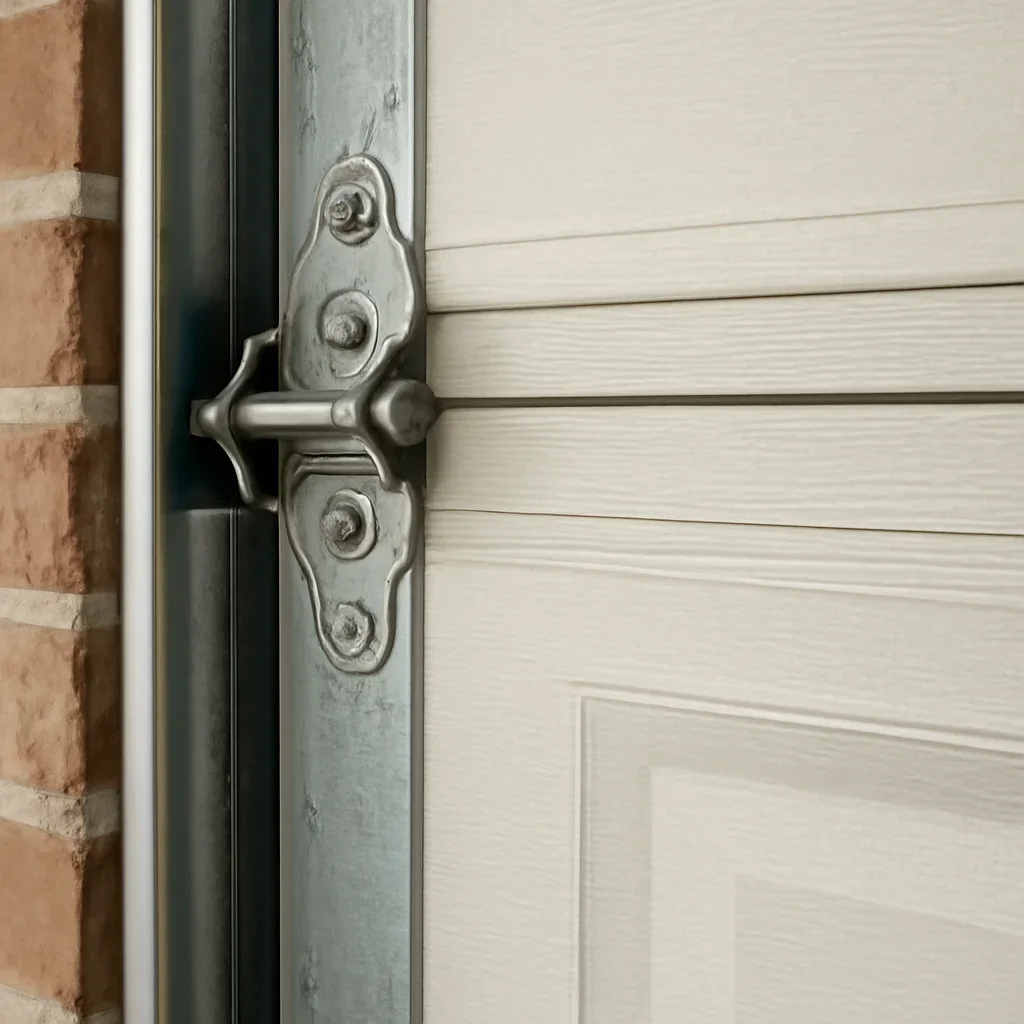
Sectional garage doors move through curved tracks while hinges allow each panel to change angle. A crease near a hinge line, roller bracket, end stile, or bottom fixture can interfere with that movement even when the centre of the panel still looks usable.
A practical assessment checks whether the section remains structurally stable, whether matching parts are available, and whether connected components were moved or overloaded. The goal is to restore safe travel rather than simply improve appearance.
Small surface dents and structural impact damage are not the same. These signs suggest the door should remain still until the system is assessed.
A sharp crease can weaken the section and interfere with hinges, rollers, struts, or the track path as the door bends overhead.
An impact may have shifted a track, roller, bracket, cable, or section edge. Do not use the opener to pull the door back into position.
A damaged lower section can leave the garage exposed, create a large seal gap, or prevent the opener from reaching its normal closed position.
If the door is hanging, jammed, blocking a vehicle, or unable to secure the property, use the emergency garage door repair path and describe the door position when booking.
A useful inspection separates cosmetic damage from structural damage and identifies anything that could cause repeat problems after the panel work.
Dents, cracks, folds, edge damage, end stiles, insulation, window sections, and reinforcement are reviewed for stability and matchability.
Impact near a hinge or roller bracket can distort the section and change how it enters the curved track.
Tracks are checked for pinching, bending, movement, poor spacing, and contact with the damaged section.
Springs and cables are considered because changed section weight, impact, or a jammed door can affect balance and lifting force.
Reversing, stopping, grinding, or slow travel may come from resistance in the door rather than a failed opener motor.
Bottom contact, side gaps, daylight, rain entry, and closing alignment are reviewed before the repair is considered complete.
The best choice depends on structural condition, parts availability, appearance expectations, insulation, repair history, and the health of the rest of the door system.
Clear photos and a useful description can help separate a cosmetic request from a door that needs urgent mechanical attention.
Share what hit the door, which section is damaged, and whether the impact happened while the door was open, closed, or moving.
Provide one straight-on photo of the complete door plus close photos of the damage, hinges, panel edges, tracks, and any visible label.
The panel, hinges, rollers, tracks, lift system, opener travel, and seals are reviewed together before a repair path is recommended.
After the work, alignment, travel, balance, secure closing, opener response, and seal contact should be checked.
Surrey includes detached homes, townhouses, strata garages, rental properties, workshops, mixed-use buildings, and commercial access doors. A repair that is sensible for a newer residential section may not be the right investment for an older door with discontinued panels or repeated hardware problems.
The useful local question is not simply which neighbourhood the property is in. It is how the garage is used, how exposed the door is, whether access or security is affected, and whether the damaged section can still be matched without compromising operation or appearance.
Vehicle bumps and daily cycling make it important to check both the panel and the hardware that guides it.
Insulation, sealing, quieter travel, and secure closing may matter as much as the visual panel match.
Photos, access coordination, responsibility, matching requirements, and approval timing can influence the repair plan.
Operational access and security may make a temporary-safe position or faster replacement decision more important.
You do not need to know the panel model. These details provide a practical starting point.
These related services help when impact damage has changed the door’s travel, opener response, sealing, or overall condition.
For tracks that are bent, shifted, pinched, pulling away, or preventing a roller from moving safely after impact.
Review track repair 02For reversing, stopping, grinding, slow movement, or opener strain caused by a changed door path or poor balance.
Review opener repair 03For daylight, drafts, water, debris, or pest entry after the lower section or closing position has changed.
Review weather sealing 04For a broader balance, hardware, roller, hinge, track, opener, and seal check after the panel repair is completed.
Review maintenance 05For properties choosing a new door style, insulation level, window design, hardware system, or opener-ready setup.
Review installation 06For discontinued panels, extensive impact damage, multiple failing sections, or an older system that no longer justifies repeated repair.
Review replacementPractical answers for Surrey homeowners, landlords, strata contacts, property managers, and businesses comparing panel repair with section or full-door replacement.
Sometimes. A single section may be replaceable when the door manufacturer, panel profile, dimensions, finish, insulation type, colour, and window arrangement can still be matched. The connected hinges, tracks, rollers, and lift system must also remain suitable for continued use.
Stop operating the door and keep people clear if a panel is folded, the door is crooked, a roller is out of position, or a track or cable looks displaced. Photograph the full door and damaged area, then request an assessment before using the opener again.
Minor surface dents may sometimes be improved, but a crease, crack, buckled edge, separated skin, damaged insulation, or distorted hinge area may require section replacement. The decision should be based on structure and operation, not appearance alone.
Full replacement deserves comparison when several sections are damaged, matching panels are discontinued, the door already has recurring hardware or balance problems, or you also want better insulation, sealing, windows, security, or curb appeal.
Yes. A bent section can create resistance, change the travel path, or affect weight distribution. The opener may reverse, stop, move slowly, or strain even when the motor itself is still working.
Useful details include a photo of the complete door, close photos of the damaged section and panel edges, any manufacturer or model label, approximate door age, door width, colour, finish, insulation type, and window pattern.
It can. A changed bottom edge or closing position may leave gaps for rain, drafts, leaves, debris, or pests. The bottom seal, side seals, floor contact, track alignment, and opener close limit should be reviewed together.
Only when the door has been confirmed safe and continues to move smoothly without scraping, binding, shaking, uneven lifting, unusual noise, or visible hardware displacement. If any of those signs are present, leave the door still and request service.
Share the property location, cause of damage, door position, number of affected sections, and whether the door still moves safely. Include a full-door photo and close views of the panel, edges, hinges, tracks, and any visible label. That information helps route the request toward panel repair, section matching, connected hardware work, or full replacement.
