Door stuck open or closed
A stuck door can stop loading, trap a vehicle, block a service area, delay staff, or leave inventory and equipment exposed.
Restore access without forcing the system
Surrey Garage Door helps Campbell Heights warehouse operators, property managers, building owners, tenants, maintenance teams, and local businesses address commercial doors that are stuck, damaged, uneven, off track, unsecured, or no longer operating reliably.
Campbell Heights is a major industrial and business-employment area where overhead doors may support loading, warehouse access, service bays, fleet movement, equipment storage, production areas, and secure commercial parking. When one door fails, the operational impact can extend beyond the opening itself.
If a Campbell Heights commercial door is stuck open, stuck closed, crooked, hanging, unusually heavy, or blocking operations, stop forcing it. Share the door type, current position, visible damage, business impact, and whether the opening can be secured.
Campbell Heights contains warehouse, distribution, food-processing, manufacturing, fulfillment, storage, and other business-employment uses. Commercial door problems in this setting should be assessed around both mechanical condition and operational impact.
A door that hesitates or moves unevenly may involve spring fatigue, cable tension, worn rollers, track movement, operator strain, damaged controls, impact damage, or several connected issues. Replacing only the first visible part can leave the real failure unresolved.
The inspection should account for door size, weight, cycle frequency, loading activity, available clearance, vehicle movement, access restrictions, safety controls, and whether the opening must remain secured. For wider area information, visit Campbell Heights garage door services.
A commercial overhead door should be assessed as one operating system. The lift components, tracks, panels, operator, controls, safety devices, and site conditions can all affect the final repair path.
A stuck door can stop loading, trap a vehicle, block a service area, delay staff, or leave inventory and equipment exposed.
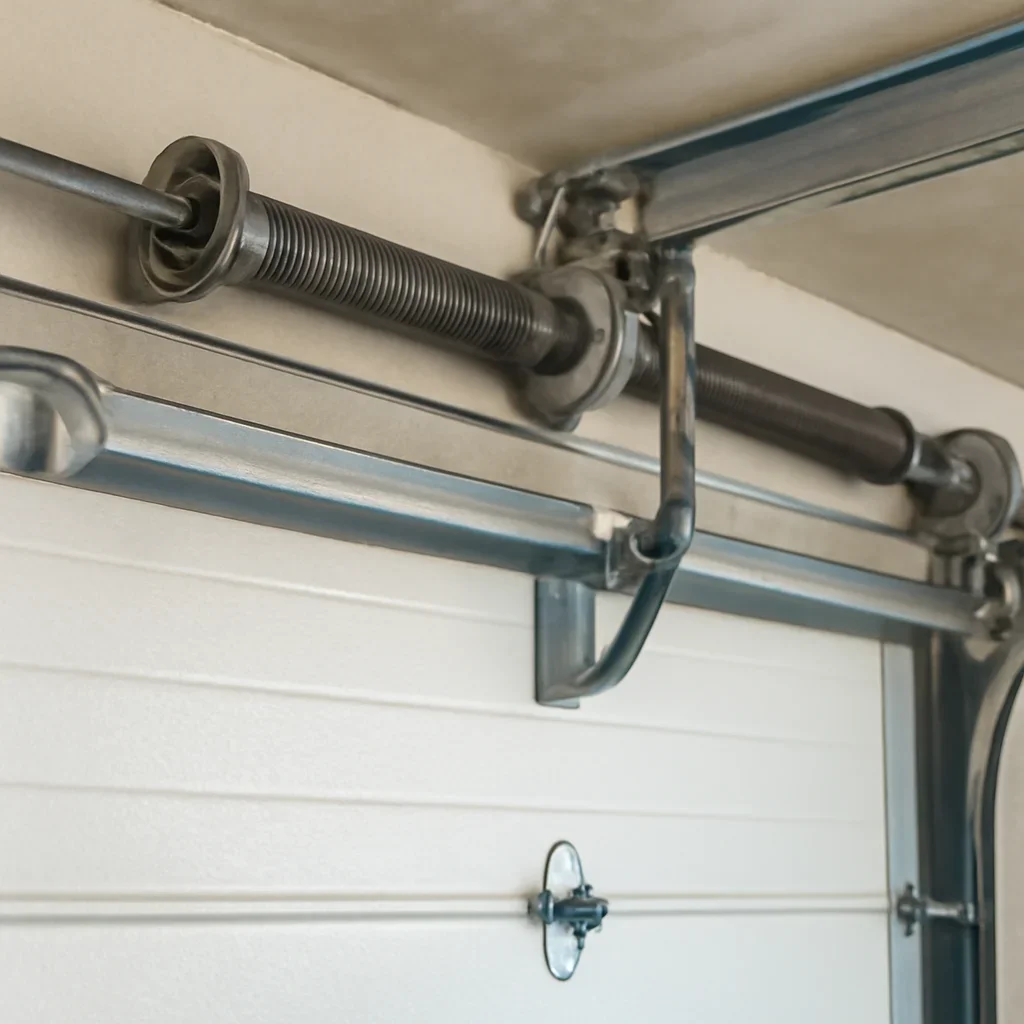
Restore access without forcing the systemA heavy, crooked, dropping, or uneven door may have a spring, cable, drum, bracket, or balance problem. The operator should not be used to force it.
Check the lifting system firstHumming motors, failed wall controls, remote problems, incorrect limits, photo-eye faults, and intermittent operation can interrupt reliable access.
Test the operator and safety controlsGrinding, shaking, scraping, popping, and rough travel may point to worn rollers, loose hinges, damaged brackets, track movement, or poor alignment.
Correct movement before damage spreadsVehicle, forklift, equipment, or loading activity can damage bottom sections, panels, tracks, brackets, seals, and surrounding door hardware.
Assess structural and movement damage togetherRepeated failures, damaged sections, obsolete hardware, poor sealing, insufficient capacity, or ongoing operator strain may support replacement.
Compare downtime, repair cost, and service lifeIsolate the area around a door that is crooked, hanging, off track, unusually heavy, impact-damaged, or showing loose cables. Keep staff, vehicles, equipment, and stored materials clear until the door has been assessed.
The objective is to understand the failure, reduce avoidable downtime, explain the available repair options, and restore safe, dependable operation.
Explain whether the issue affects loading, fleet movement, production, deliveries, parking, storage, staff access, or building security.
Springs, cables, drums, tracks, rollers, hinges, brackets, panels, seals, operator settings, controls, and safety devices are reviewed together.
Recommendations should reflect the failed parts, door condition, cycle demands, site access, safety requirements, and expected remaining life.
Balance, travel, secure closing, operator response, safety reversal, controls, and general movement are checked before completion.
Two doors can show the same symptom but require different repair priorities. A warehouse loading door, service-bay opening, secure storage door, and frequently used fleet-access door can have very different cycle demands and operational consequences.
When booking, explain how the opening is used, who depends on it, what it protects, and what happens when it stops working. That information helps identify urgency before the visit.
A failed overhead door can interrupt receiving, storage movement, order handling, and access to warehouse areas.
Doors serving loading positions need reliable travel, clear tracks, dependable controls, and secure closing.
A stuck door can trap vehicles, block departures, prevent returns, or delay scheduled work.
Door downtime may affect material movement, equipment access, production flow, or separation between work areas.
A door that will not close completely can expose tools, equipment, inventory, vehicles, or other business property.
Frequent daily operation can accelerate wear and make preventive inspection more important.
You do not need to identify the failed component. Describe what the door is doing and how the problem is affecting the site.
Use this guide to describe the issue and separate possible operator faults from spring, cable, track, hardware, impact, seal, or full-door concerns.
Swipe horizontally to view the complete guide.
| What you notice | Possible concern | Best next step |
|---|---|---|
| Door is heavy, crooked, or drops unexpectedly | Spring, cable, drum, bracket, or balance failure | Stop operating it, isolate the area, and request an assessment. |
| Operator runs but the door barely moves | Operator strain, poor balance, trolley or drive fault, or mechanical resistance | Do not keep cycling it; describe the sound and movement when booking. |
| Door reverses, stops, or will not close fully | Safety-device fault, obstruction, limit setting, track resistance, or seal pressure | Check for an obvious obstruction without bypassing safety controls. |
| Door scrapes, shakes, pops, or moves roughly | Roller, hinge, bracket, track, or alignment wear | Book service before the movement damages panels or lift components. |
| Panel, track, or bottom section has been struck | Impact damage affecting alignment, structure, hardware, or closing | Stop using the door when movement is restricted or unstable. |
| Water, air, debris, or pests enter around the door | Worn seals, floor gaps, damaged sections, or uneven closing | Request a seal, panel, and closing-position inspection. |
| The same failure keeps returning | Aging hardware, capacity mismatch, broader wear, or an outdated door system | Compare another repair with planned replacement or upgrading. |
A general commercial repair request may lead to a more specific service once the door, hardware, operator, damage, and operating requirements are understood.
Best for operator motors, wall controls, remotes, safety devices, travel limits, unusual sounds, intermittent response, and doors that reverse or stop.
View opener repair 02Best for doors that feel heavy, sit crooked, drop quickly, stop after limited movement, or can no longer be lifted safely by the operator.
View spring repair 03Best when the existing door is impact-damaged, repeatedly failing, poorly sealed, undersized for its use, difficult to repair, or nearing replacement.
View installation serviceThese answers help Campbell Heights building owners, managers, maintenance teams, tenants, and operators decide what to do when a commercial overhead door becomes unreliable.
You may need repair if the door is stuck, heavy, crooked, noisy, slow, impact-damaged, off track, not closing securely, or not responding correctly to the operator. Describe the door type, symptom, and operational impact.
Keep staff, vehicles, and equipment away from unstable components. Explain whether the opening can be secured and whether inventory, equipment, loading, fleet access, or building security is affected.
Photos, video, and a clear description may help identify the likely service category. The complete cause may still require an on-site inspection of the door, lift system, tracks, operator, controls, and site conditions.
No. A heavy or crooked door may have a spring, cable, drum, track, bracket, or balance problem. Forcing it can damage the operator and make the failure more extensive.
That depends on the affected panels, tracks, brackets, bottom section, hardware, alignment, and overall door condition. An inspection can determine whether component repair, section replacement, or full replacement is more practical.
Repair may make sense when the failure is isolated and the door remains suitable for its cycle demands. Replacement may offer better value when failures recur, capacity is insufficient, major sections are damaged, hardware is obsolete, or downtime continues to increase.
Provide the Campbell Heights location, facility type, door type, approximate size, current door position, visible damage, unusual sounds, control behaviour, and whether loading, vehicles, deliveries, production, staff, storage, or security are affected.
Start with the symptom and operational impact. Explain whether the door is stuck, heavy, crooked, damaged, off track, reversing, unsecured, or preventing normal loading, fleet, warehouse, production, or service access.