Door stuck open or closed
A jammed door can interrupt deliveries, parking, secure vehicle access, customer service, workshop use, storage, or equipment movement.

A failed commercial garage door can interrupt deliveries, block parking or service access, expose equipment, or leave a property unsecured. Cloverdale combines a historic commercial centre with neighbourhood retail, service businesses, workshops, community and event facilities, mixed-use properties, and commercial or light-industrial areas. The repair plan should reflect the actual door, building, operating schedule, and access requirements.
Describe the door type, current position, exact symptom, and whether the problem affects staff, customers, vehicles, deliveries, parking, equipment, or security. This helps determine whether the request belongs under commercial garage door repair in Surrey or a focused spring, opener, track, seal, or installation service.
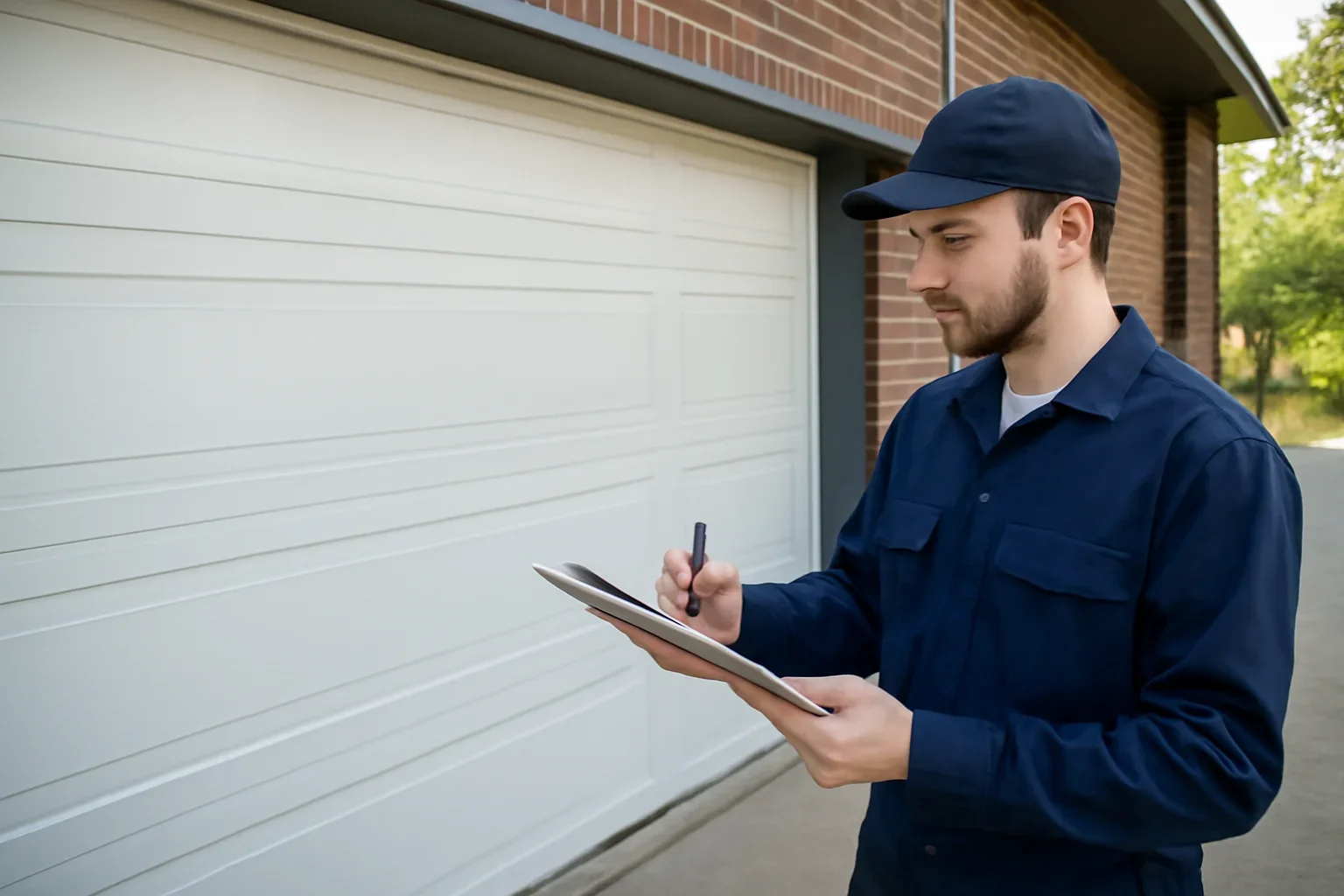
Keep staff, customers, vehicles, and equipment clear. Do not force the door, pull loose cables, enter damaged tracks, or attempt to adjust springs and bottom brackets.
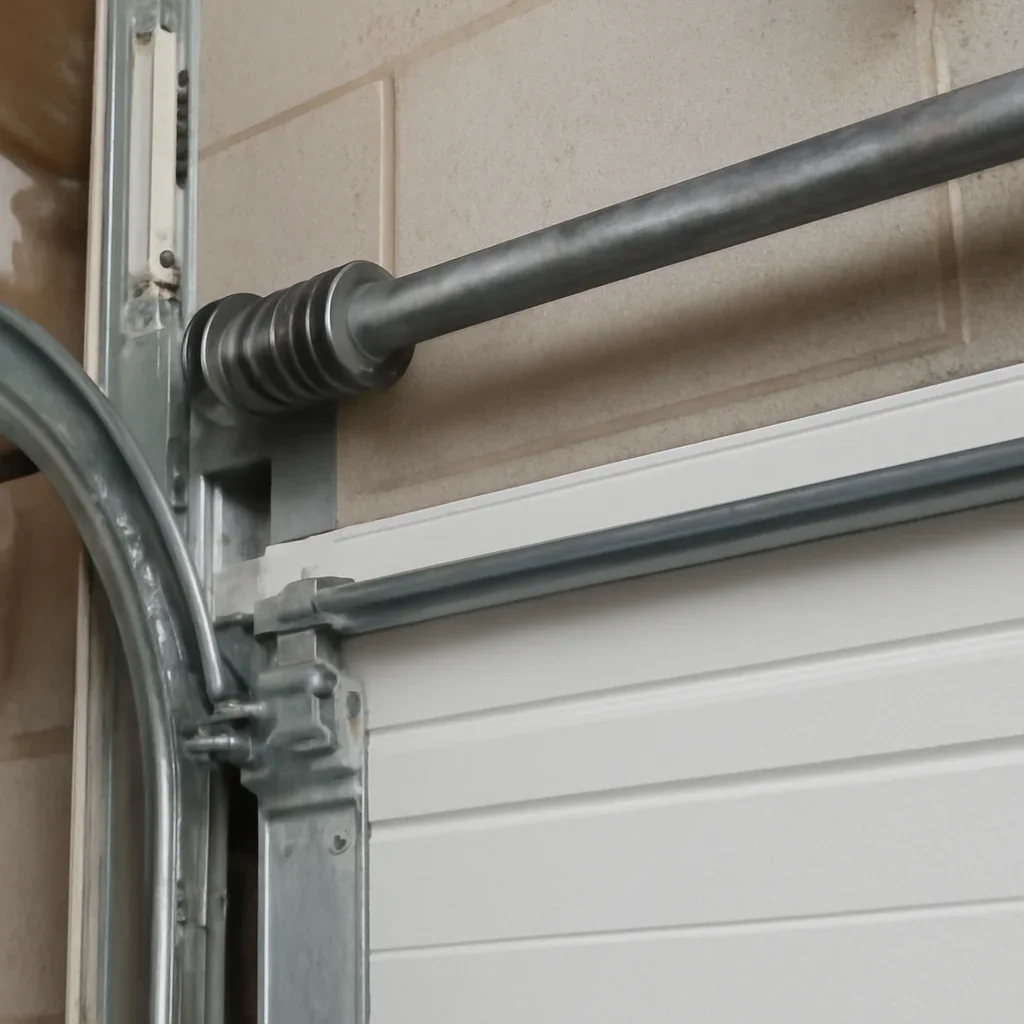
Cloverdale Town Centre is Surrey’s historic commercial heart, with heritage main streets around 176 Street and 176A Street, established businesses, community destinations, newer development, and connections to Highway 10 and Highway 15. Commercial door needs can range from a rear service entrance in the historic core to a vehicle bay, workshop door, shared parking entrance, event-property opening, or newer sectional system.
Older buildings should not be approached as though every modern component will be a direct fit. The opening dimensions, framing condition, headroom, track configuration, spring setup, panel weight, previous alterations, and available work space may all influence the repair.
Some properties may have older framing, limited headroom, non-standard dimensions, previous opener upgrades, modified tracks, or doors assembled from components of different ages.
Deliveries, customer parking, rear lanes, service entrances, events, and regular vehicle movement can make reliable opening and secure closing operational priorities.
Older wood doors, decorative overlays, insulated panels, glass sections, and repaired panels can change the load placed on springs, cables, tracks, and operators.
For the broader area overview, visit Cloverdale garage door services. For the citywide topic, see commercial garage door repair in Surrey.
Similar symptoms can come from different components. Describe the door’s movement, sound, current position, control response, visible condition, and effect on the property rather than assuming which part has failed.
A jammed door can interrupt deliveries, parking, secure vehicle access, customer service, workshop use, storage, or equipment movement.
A door that falls, lifts unevenly, or will not remain open may have a spring, cable, drum, or balance-system problem and should not be forced.
Unreliable operation may involve power, controls, safety sensors, limits, wiring, operator strain, an older retrofit, or resistance elsewhere in the door.
Rough movement may be related to rollers, hinges, tracks, loose hardware, worn bearings, operator strain, damaged panels, or poor balance.
Worn seals, uneven concrete, threshold changes, damaged perimeter material, drainage conditions, or poor alignment can leave an opening exposed.
Installation may be considered when repeat repairs, structural damage, door weight, obsolete parts, security, limited clearance, or operator compatibility makes replacement more practical.
A useful assessment considers the complete door system and how the property uses the opening. This helps avoid replacing one part while a balance, track, control, framing, clearance, or compatibility problem remains.
Identify whether the fault affects deliveries, customers, staff, parking, vehicles, equipment, storage, events, or security.
Review springs, cables, tracks, rollers, hinges, brackets, panels, seals, controls, safety devices, and operator components.
Confirm that the door weight, springs, tracks, headroom, framing, controls, and operator work together within the existing opening.
Test controlled travel, limits, safety response, balance, clearance, and secure closing before the opening returns to use.
“Commercial garage door” can describe several systems. Property details help distinguish a historic-core service entrance from a workshop door, retail loading opening, strata parkade, vehicle bay, event-property door, or mixed-use access system.
Include business hours, rear-lane or service access, delivery windows, customer parking, opening dimensions, previous alterations, and any limits on changing visible exterior components.
Note vehicle dimensions, daily cycles, loading activity, work-space clearance, stored equipment, impact damage, ventilation needs, and whether the opening can be temporarily unavailable.
Confirm the authorized contact, access process, parking instructions, work-hour restrictions, control location, event schedule, and whether the problem affects multiple users.
Clear booking information helps identify the likely repair route and prevents avoidable access delays. You do not need to diagnose the failed component yourself.
Use the contact page and describe the symptom in plain language. The door type, age, current position, property use, and operational impact are more useful than guessing which component failed.
These answers help business owners, strata contacts, facility representatives, and property managers choose a practical first step without attempting unsafe repairs.
Commercial repair is a suitable starting point when an overhead, sectional, rolling, service, parking, loading, or shared-access door at a business or managed property is stuck, damaged, uneven, noisy, unreliable, or disrupting normal operations.
Restrict the area, keep people and vehicles clear, and protect the opening without touching loose cables or forcing the door. Explain whether stock, equipment, vehicles, staff areas, or public access are exposed.
Often it can, but the door weight, dimensions, framing, headroom, tracks, spring system, controls, and prior modifications should be checked before assuming that a modern component is a direct fit.
Yes. Additional panel weight can affect the required spring setup, cable load, balance, operator suitability, and safe travel. Spring selection should be based on the actual complete door weight and configuration.
Consider safety, structural condition, operating frequency, repeat repair history, panel condition, security, parts availability, operator compatibility, downtime, and whether the existing system still suits the opening.
Appointment timing depends on current scheduling, technician routing, the door system, property-access requirements, required parts, and the urgency of the problem. Availability should be confirmed when the request is made.
Share the symptom, Cloverdale location, property type, current door position, operational impact, and access instructions. This helps identify the most relevant repair route and prepare for a clearer commercial service discussion.
Phone: +1 (844) 822-2211
Email: info@surreygaragedoor.com
10362 King George Blvd
Surrey, BC V3T 2W5