Remote, keypad, or smart control problems
If the opener responds from one control but not another, the issue may involve batteries, programming, signal interference, keypad wear, smart app setup, or wall control wiring.
Test access controls first
When a garage door opener stops working in Morgan Heights, the issue may involve the remote, keypad, wall control, safety sensor, travel limit, motor, logic board, smart opener setup, or a door that is creating too much resistance. Surrey Garage Door helps local homeowners identify whether the opener needs repair, adjustment, replacement, or a full door-system check.
If your Morgan Heights garage door opener clicks, hums, flashes, reverses, opens only partway, or does not respond, stop forcing it. A proper opener repair visit should test the controls, safety sensors, travel limits, force settings, drive system, opener condition, and door balance before recommending a repair, setup adjustment, or replacement.
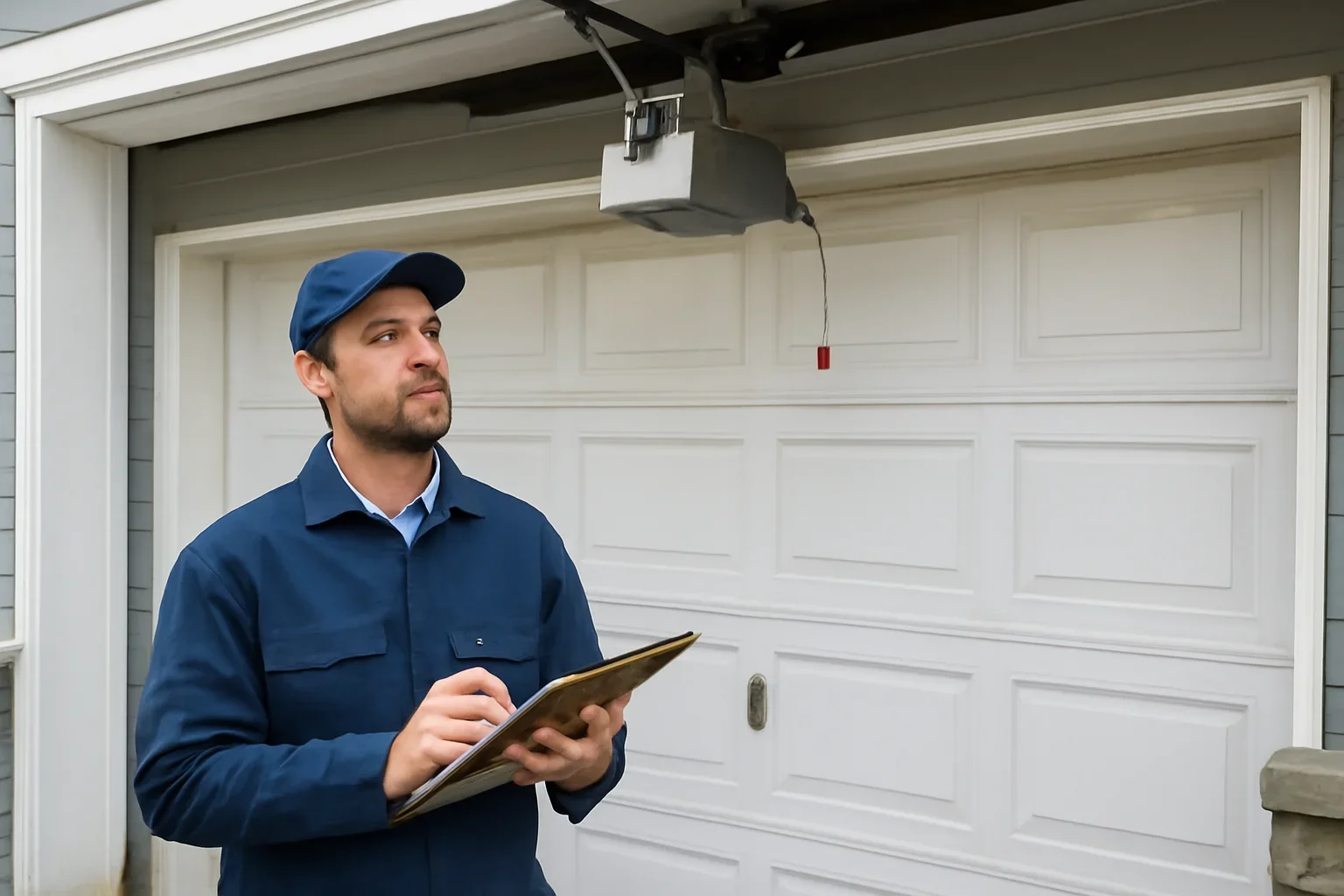

Morgan Heights is a newer South Surrey neighbourhood where garage doors are often both a daily utility and a visible design feature. Many homes have attached garages, insulated doors, modern openers, keypad access, and homeowners who expect quiet, smooth, reliable operation.
In this setting, an opener problem may not be a simple motor failure. Sensor alignment, travel-limit settings, smart control setup, opener force, spring balance, panel movement, and hardware noise can all affect how the system opens and closes.
For area-specific service details, visit Morgan Heights garage door services. For the broader citywide service page, see Garage Door Opener Repair in Surrey.
A garage door opener should be checked as part of the full door system. The remote, keypad, wall control, sensors, motor, drive system, springs, rollers, tracks, panels, and door balance all affect safe operation.
If the opener responds from one control but not another, the issue may involve batteries, programming, signal interference, keypad wear, smart app setup, or wall control wiring.
Test access controls firstA door that will not close, reverses immediately, or shows flashing opener lights may have blocked, dirty, loose, misaligned, or damaged safety sensors.
Check closing safetyA humming opener can point to opener wear, but it can also happen when an insulated or heavy door is unbalanced and creating too much resistance.
Separate motor from door strainPartial travel can involve limit settings, force settings, track resistance, roller wear, opener trolley trouble, or door movement that needs adjustment.
Inspect travel and limitsGrinding, rattling, shaking, or harsh starts and stops may come from opener wear, chain or belt issues, loose hardware, roller drag, or poor door balance.
Improve comfort and reliabilityIf the opener is older, underpowered, unreliable, too loud, or missing smart access features, replacement may be more practical than repeated repair.
Choose the right long-term optionSafety note: if the door is heavy, crooked, jammed, or only moves a few inches before stopping, do not keep pressing the opener. The opener may be struggling against a spring, cable, track, roller, or balance problem.
The goal is to restore safe, quiet, and reliable daily access while making sure the opener is not being damaged by a door-system issue.
Share whether the opener clicks, hums, flashes, reverses, opens halfway, stops suddenly, or does not respond to the remote, keypad, app, or wall button.
Remotes, keypads, wall controls, smart features, wiring, power, safety sensors, travel limits, force settings, and drive components are checked.
Door balance, spring tension, cables, rollers, hinges, tracks, panels, and manual movement are reviewed so opener strain is not missed.
After the issue is corrected, the door is tested for smooth travel, safe reversing, secure closing, quiet operation, and reliable daily use.
Morgan Heights service calls often involve modern convenience and appearance as much as basic function. A homeowner may be dealing with a keypad that stopped working, a smart opener that will not connect, a quiet opener that became loud, or a newer insulated door that suddenly feels heavy.
Because garage doors are highly visible on many Morgan Heights homes, opener repair should also consider smooth travel, secure closing, panel alignment, noise, and whether the existing opener still matches the door’s size and daily use.
Keypads, remotes, wall controls, and smart opener features need reliable setup and response.
Heavier doors can create opener strain when balance or force settings are off.
Noisy movement can affect bedrooms, living areas, or nearby homes.
Doors that reverse or refuse to close often need sensor and travel-setting checks.
Rough travel, uneven closing, or panel movement can stand out on newer homes.
Small adjustments can help prevent repeated opener strain and early replacement.
You do not need to know the failed part. A clear description of the symptom helps route the visit properly.
Use this guide to describe the issue clearly. It helps separate opener repair from sensor adjustment, spring repair, track repair, smart control setup, panel alignment, and full replacement planning.
| What you notice | Possible cause | Best next step |
|---|---|---|
| Remote, keypad, or smart control does not work | Battery, programming, signal issue, keypad wear, smart setup issue, receiver problem, or wall control issue | Check whether other controls work, then request opener control troubleshooting. |
| Door reverses or will not close fully | Sensor alignment, obstruction, travel limit, force setting, seal resistance, or track issue | Look for visible blockage, then book sensor and opener adjustment service. |
| Motor hums but door barely moves | Opener strain, gear issue, trolley problem, or heavy unbalanced door | Stop forcing the opener and ask for both opener and door balance inspection. |
| Door opens halfway and stops | Limit setting, force setting, track resistance, roller wear, or opener drive issue | Share how far the door moves and whether the opener lights flash. |
| Opener is loud, shaky, or rough | Loose chain or belt, worn opener parts, roller drag, track movement, or poor balance | Book service before continued strain damages more components. |
| Door moves unevenly or affects curb appeal | Panel movement, track alignment, roller wear, loose hardware, or balance issue | Ask for opener, door movement, and alignment inspection together. |
Many Morgan Heights opener calls start with one symptom but involve another part of the door system. These pages can help you compare the next step before booking.
Best for heavy doors, crooked movement, sudden failure, broken spring symptoms, and openers that can no longer lift the door safely.
View spring repair 02Best when the current door is damaged, outdated, poorly sealed, too heavy, or no longer a good match for the opener system or home design.
View installation 03Helpful if you want to understand what can affect opener work, spring repair, maintenance, installation, or replacement.
View pricing guidanceThese answers help Morgan Heights homeowners decide what to do when a garage door opener stops working, reverses, hums, becomes noisy, or no longer works with modern access needs.
You may need opener repair if the remote, keypad, smart control, or wall button does not work, the motor hums without moving the door, the door reverses, the opener lights flash, or the door only opens partway. A proper visit should also check whether the door is balanced and moving freely.
Same-day appointments are available across Surrey depending on schedule, routing, parts, and urgency. If the door will not close, a vehicle is blocked, or the garage is unsecured, describe that clearly when booking.
Not always. A humming opener can be caused by internal opener wear, but it can also happen when the garage door is too heavy, unbalanced, jammed, or creating too much resistance for the opener to move safely.
Repair may make sense when the issue is minor and the opener is still reliable. Upgrade or replacement may be better when the opener is noisy, underpowered, unreliable, missing smart access features, or repeatedly failing.
Noisy operation can come from opener wear, chain or belt issues, loose hardware, roller drag, track movement, spring balance, or a door that needs adjustment. The opener and door should be checked together.
Review the main Garage Door Opener Repair in Surrey page for citywide service details, or visit the contact page to book a diagnostic visit.
Whether the opener is clicking, humming, flashing, reversing, not responding, opening partway, becoming noisy, or struggling with an insulated door, start with the symptom. Surrey Garage Door can help route the issue toward opener repair, sensor adjustment, spring repair, door balance correction, maintenance, installation, or replacement advice.
