Wall controls and access response
Wall stations, remotes, keypads, access controls, wiring, signal response, control logic, and user-facing operation are checked first.
Check control response
Garage door opener repair in Campbell Heights is often an uptime issue, not just a convenience issue. In this major South Surrey employment and industrial district near 32 Avenue, 24 Avenue, 192 Street, Highway 99 access, warehouses, service bays, loading doors, and commercial operators, opener problems can interrupt deliveries, staff access, vehicle movement, production schedules, and site security.
If a Campbell Heights overhead door operator hums, trips, flashes, reverses, loses wall control response, struggles with a heavy bay door, or will not close securely, the issue may be the operator, sensors, controls, power supply, door balance, spring system, track damage, or impact-related hardware wear. A proper repair check should inspect the operator and the door system together.
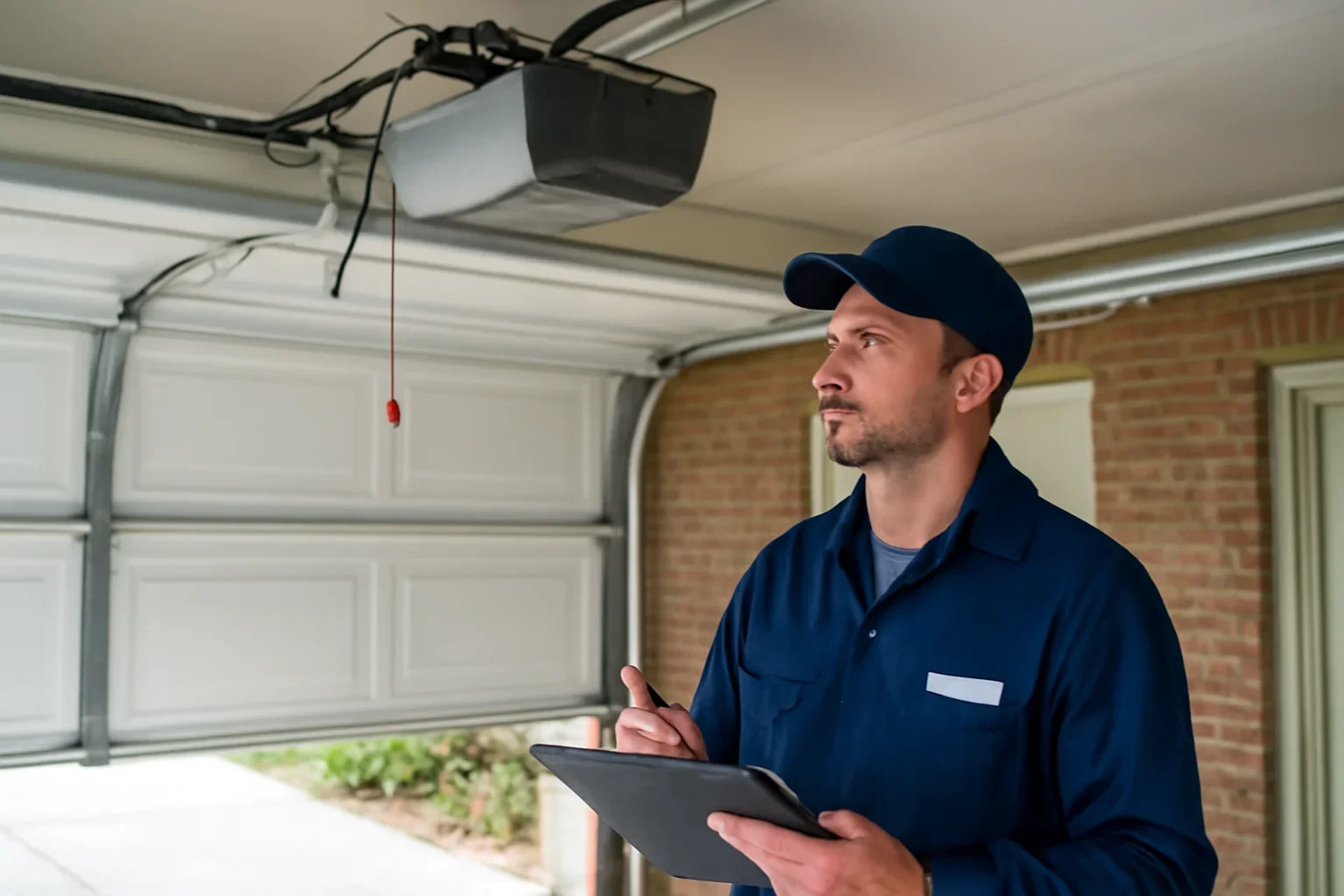
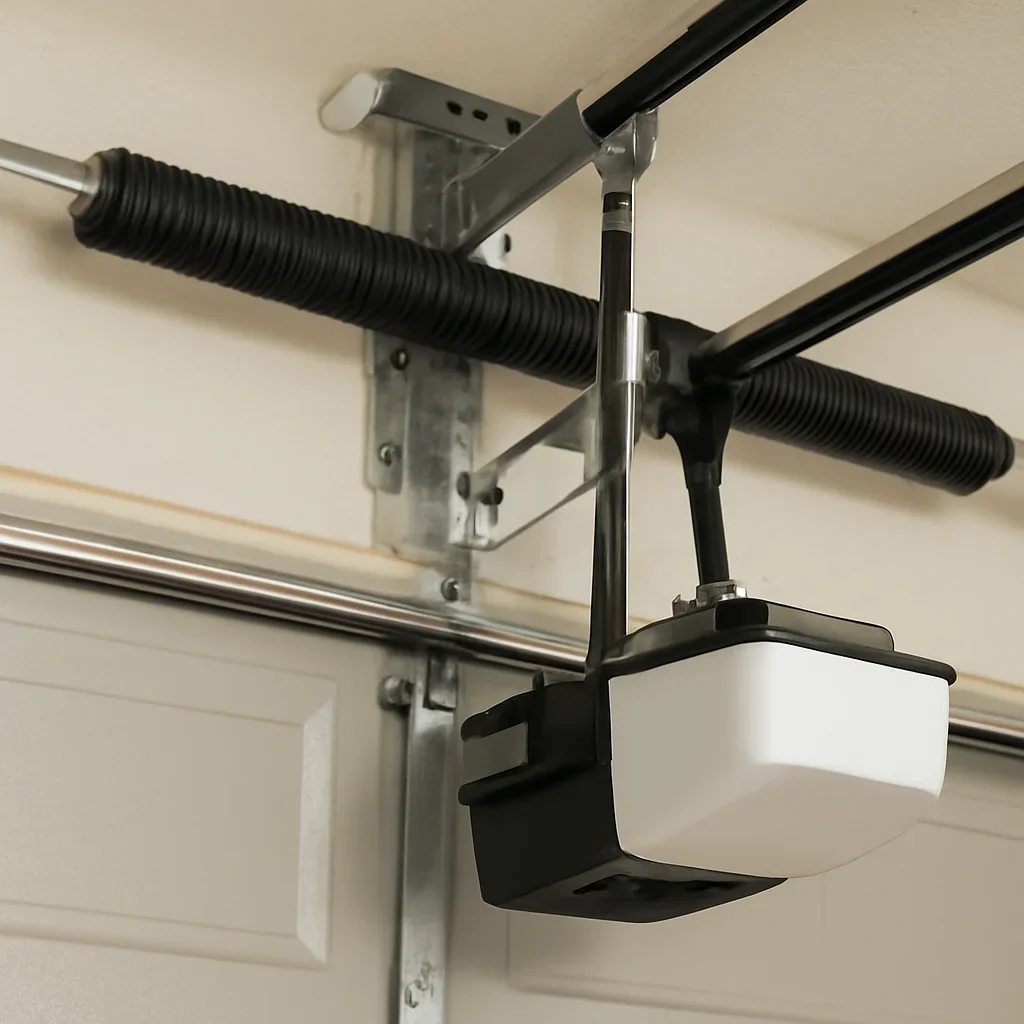
Campbell Heights properties often rely on overhead doors for trucks, service vehicles, staff movement, deliveries, loading access, warehousing, and secured yard or bay entry. When a commercial operator fails, the issue can affect workflow, scheduling, safety, and building security.
The operator may be the part you notice first, but the real cause can be a high-cycle spring system, dock-side impact, misaligned track, worn rollers, damaged cables, power interruption, control station issue, safety sensor problem, or door weight that has become too much for the operator.
For broader area information, visit Campbell Heights garage door services. For the citywide opener overview, see Garage Door Opener Repair in Surrey.
A reliable repair starts by testing the operator and the door together. Replacing a commercial operator without checking spring balance, track alignment, impact damage, and high-cycle wear can leave the same downtime risk behind.
Wall stations, remotes, keypads, access controls, wiring, signal response, control logic, and user-facing operation are checked first.
Check control responsePower interruptions, breaker issues, operator lights, error behaviour, motor response, and basic electrical operation are reviewed.
Rule out power issuesPhoto eyes, edge response, reversing behaviour, sensor alignment, dirty lenses, loose brackets, and safe closing are checked.
Improve safe closingIncorrect limits, force settings, door resistance, impact damage, or track drag can make a commercial operator stop, reverse, or strain.
Correct movement controlMotor strain, gear wear, chain or belt issues, rail problems, vibration, and operator drive concerns are checked when movement is poor.
Find mechanical faultsSprings, cables, rollers, hinges, tracks, brackets, weather seals, and dock-side damage are reviewed because door resistance can damage a good operator.
Protect the operatorRepair note: if a commercial operator hums, trips, overheats, reverses, or will not move a heavy bay door, do not keep forcing it. The door may have a spring, track, cable, impact, or balance problem that needs diagnosis before the operator is repaired or replaced.
The goal is to restore dependable access while making sure the operator is not being asked to compensate for a worn, damaged, unbalanced, or unsafe commercial door system.
The visit starts with the exact issue and business impact: stuck door, blocked bay, loading delay, staff access problem, security concern, or recurring operator fault.
Wall controls, access devices, sensors, reversing systems, wiring, signal response, operator lights, and power supply are checked.
The motor, drive, limits, force settings, springs, rollers, cables, tracks, hinges, seals, and impact areas are reviewed together.
When repair is practical, the failing part or setting is corrected, then the system is tested for safe reversing, secure closing, and reliable access.
In Campbell Heights, a failed opener can interrupt warehouse flow, loading access, service-bay use, vehicle movement, yard security, staff entry, and scheduled deliveries. Because many doors are commercial or high-cycle, the problem should be evaluated for uptime, safety, and long-term reliability.
A repair visit is especially useful when you are not sure whether the operator needs adjustment, a control repair, sensor alignment, drive repair, spring repair, track work, commercial maintenance, or replacement. The inspection helps separate operator wear from door-system problems that can damage the operator again.
Security, weather exposure, and site access can become urgent when a commercial bay will not close.
Loading, deliveries, vehicles, equipment, and staff workflow may be blocked until the system is checked.
The operator may be straining against a heavy, damaged, unbalanced, or high-cycle door.
Track, roller, panel, and bottom fixture damage can make the operator stop, reverse, or overload.
Photo eyes, edges, brackets, wiring, dirt, or impact damage can stop safe closing.
Commercial doors often need operator, spring, cable, roller, and track planning based on cycle count.
You do not need to know the failed part. A clear description of the operator behaviour, access impact, and door type is enough to start.
Use this guide to describe the issue clearly. It helps separate operator repair from spring, cable, track, sensor, commercial wear, dock damage, maintenance, or replacement concerns.
| What you notice | What it may mean | Best next step |
|---|---|---|
| Wall control or access device does not respond | Control station issue, wiring problem, power interruption, receiver issue, or operator board concern | Test controls, power, wiring, and operator status before replacing parts. |
| Operator hums but the door does not move | Motor strain, broken spring, gear issue, stuck door, track resistance, or high-cycle hardware wear | Stop forcing the operator and request full door-system diagnosis. |
| Door closes then reverses | Sensor fault, edge issue, obstruction, limit setting, force setting, track drag, or impact damage | Check safety devices, travel limits, and the door path together. |
| Door is slow, loud, or rough | Worn rollers, track damage, hinge looseness, spring fatigue, cable tension, or operator strain | Inspect the door hardware and operator together. |
| Bay door keeps causing downtime | The operator may be reacting to a high-cycle or damaged door system | Compare operator repair with commercial maintenance, spring work, track work, or replacement planning. |
| Visible damage near the dock or bottom section | Impact damage may be affecting track alignment, bottom fixtures, seals, cables, or safe travel | Request a full inspection before using the operator repeatedly. |
A commercial operator complaint can be caused by the opener itself or by the door system creating resistance. These related pages can help you compare the right next step.
Best for heavy doors, broken springs, high-cycle spring fatigue, crooked travel, sudden failure, and operators that can no longer lift safely.
View spring repair 02Best for warehouse doors, service bays, loading access, commercial operators, impact damage, high-cycle wear, and access interruptions.
View commercial repair 03Best when the existing door, operator, tracks, or hardware are repeatedly failing or no longer suitable for the access need.
View installationThese answers help Campbell Heights warehouse users, property managers, business owners, service-bay operators, and commercial tenants decide whether the issue is likely an operator problem, sensor fault, spring problem, track issue, dock damage, or door-system concern.
You may need opener or commercial operator repair if the wall control, remote, keypad, motor, lights, sensors, travel limits, or force settings are not working correctly. If the door is heavy, crooked, stuck, noisy, damaged, or high-cycle, the operator may be reacting to a spring, cable, roller, track, or impact problem.
A humming operator can point to motor strain, gear failure, a release or trolley problem, a broken spring, track resistance, impact damage, or a door that is too heavy to lift safely. Avoid forcing the operator until the door and operator are checked together.
Yes. Impact near a dock, track, bottom section, roller, cable, or bracket can create resistance. The operator may reverse, stop, strain, or trip even when the motor itself is still serviceable.
Repair may make sense when the operator is serviceable and the issue is limited to controls, sensors, settings, or a replaceable component. Replacement may be better when the operator is outdated, underpowered, repeatedly failing, or no longer suitable for the door’s cycle count and access needs.
Share your Campbell Heights location, door type, operator symptom, access impact, whether the door is stuck open or closed, whether there is visible impact damage, and whether loading, service vehicles, staff access, or security is affected.
You can review pricing guidance to understand what can affect opener repair, spring work, commercial repair, maintenance, installation, and replacement costs.
Whether the operator is humming, flashing, reversing, refusing to close, stuck open, stuck closed, losing wall control response, or struggling with a warehouse bay or service door, start with the exact symptom and access impact. Surrey Garage Door can help route the visit toward opener repair, commercial operator service, sensor troubleshooting, spring repair, track adjustment, maintenance, installation, or replacement advice.