
Repair is usually the better option when the problem is isolated and the rest of the door is sound. Replacement becomes more appealing when the door has recurring issues, poor insulation, outdated looks, or multiple worn systems at once.
Repair is usually the better option when the problem is isolated and the rest of the door is sound. Replacement becomes more appealing when the door has recurring issues, poor insulation, outdated looks, or multiple worn systems at once.
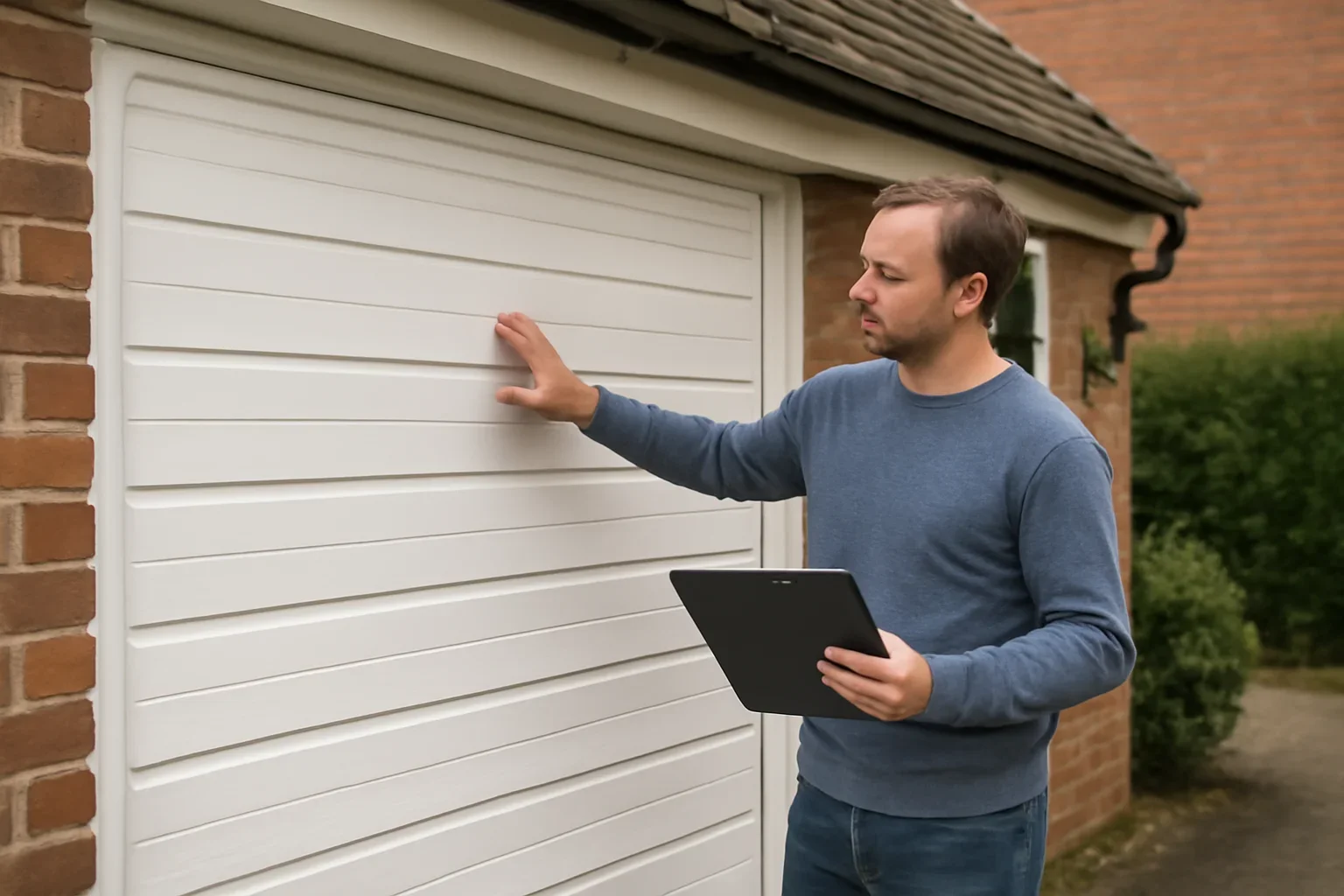
A single spring issue, an opener component failure, or a localized weather-seal problem usually does not justify a full replacement.
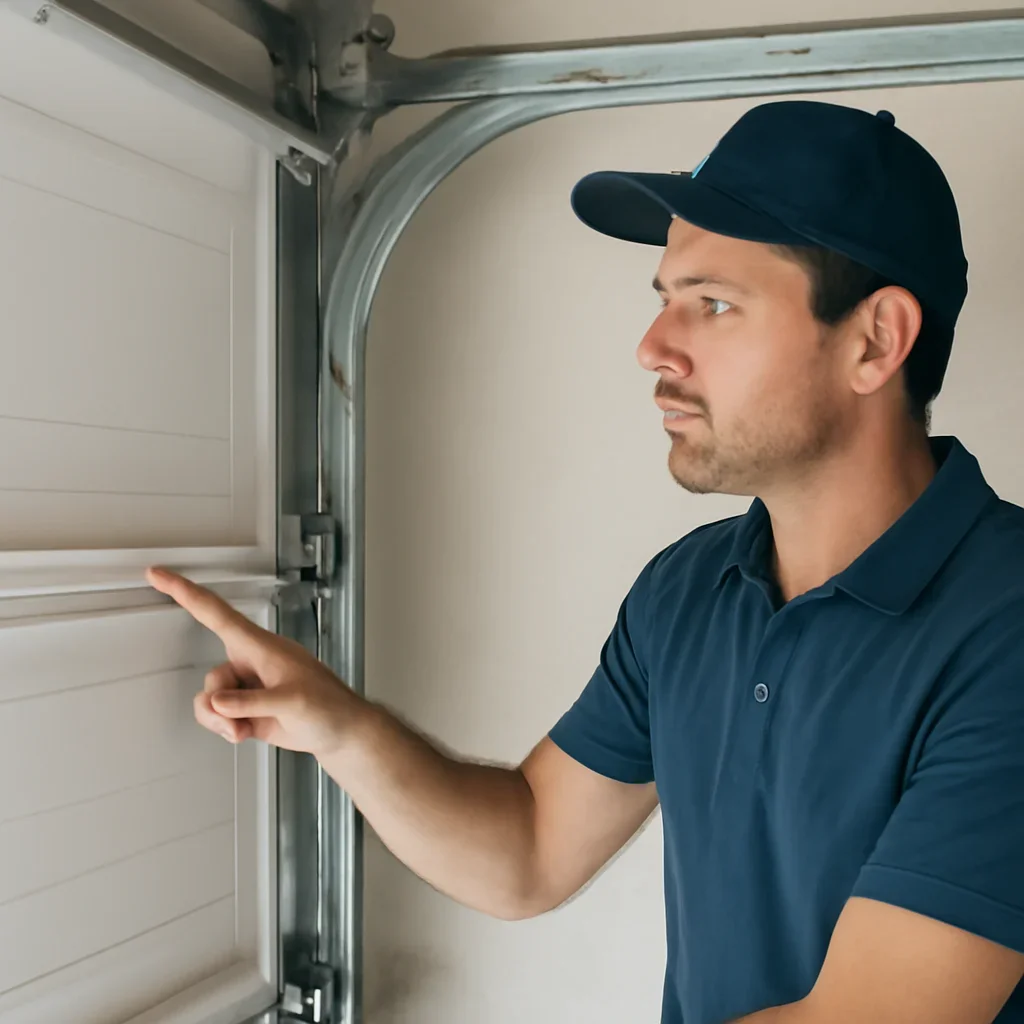
Age, repeated repair history, poor energy performance, visible panel wear, and hardware that is no longer well supported all change the equation.
Many neighbourhoods mix older houses with newer upgrades, so homeowners are often deciding between extending an existing door or investing in a quieter insulated replacement.
Surrey homeowners ask this question because garage doors are used hard and exposed to wet weather, neighbourhood-specific conditions, and a wide range of door ages. A practical answer should connect the symptom to the likely system involved, then point the reader toward the correct next page rather than pushing a generic sales message.
Related reading includes the Surrey garage door blog hub, garage door support, and pricing guidance when the question is really about scope and next steps.
Yes, especially on street-facing garages.
Yes, although many people review both at the same time.
Panel-only repair may be possible if the model and finish are still available.
The garage door replacement page is the best follow-up.
If that issue matches what you are seeing, review garage door replacement so the symptom is matched to the right service path.