01
The door feels heavy or uneven
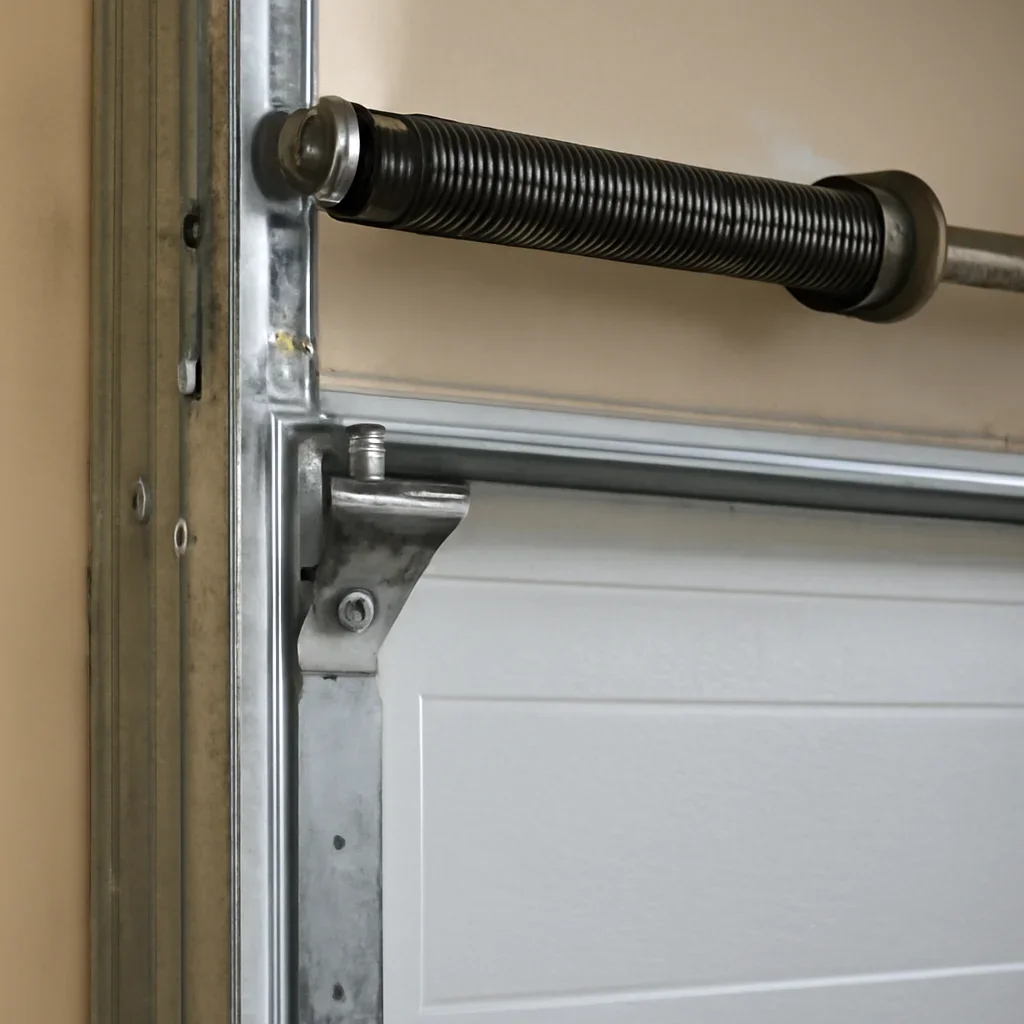
A door that drops, lifts unevenly, or feels unusually heavy can be related to the counterbalance system. Start with garage door spring repair or garage door cable repair.

Start here when you know what your garage door is doing but are not sure which repair service applies. Use the symptoms below to narrow the likely issue, understand when the door should stay unused, and choose the right next step for your Surrey property.
Stop operating the door if it is hanging crooked, feels unusually heavy, has a loose cable, will not remain open, or is making sudden popping or grinding sounds. These symptoms can involve high-tension or load-bearing components and should be inspected before the door is used again.
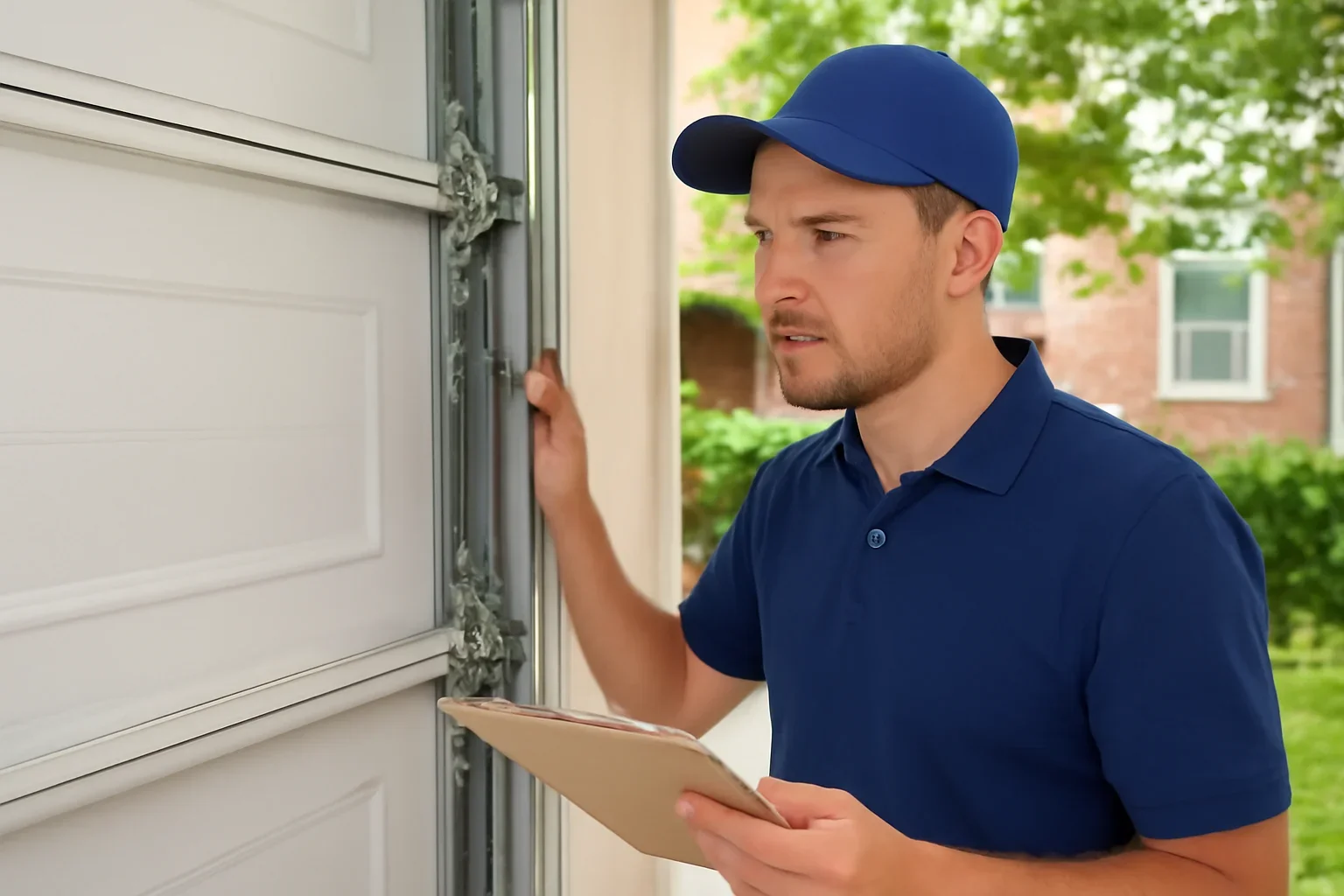
Keep people, pets, and vehicles away from the moving area. Do not pull, lift, or reconnect damaged components to make the door move.
One symptom can have several possible causes. These routes are designed to help you reach the most relevant information without assuming that a specific part has already failed.
A door that drops, lifts unevenly, or feels unusually heavy can be related to the counterbalance system. Start with garage door spring repair or garage door cable repair.
Check whether the wall control, remote, power source, sensors, or opener motor is involved. Review garage door opener repair or the guide to garage door remote troubleshooting.
Flattened bottom seals, damaged perimeter seals, an uneven floor, or poor door alignment can leave gaps around the opening. See garage door weatherstripping and seal support.
Stop using the door if one side is higher than the other, a roller has left the track, or the door binds during travel. Begin with the main garage door repair service page.
Grinding, scraping, rattling, and vibration may come from loose hardware, worn rollers, track alignment, hinges, or an opener under strain. Review garage door maintenance in Surrey.
Check for an obstruction near the opening and look at the safety sensors without adjusting high-tension parts. Misalignment, wiring, travel settings, resistance, or a mechanical issue may need inspection.
Describe what happens when you press the wall button, how far the door travels, whether both sides remain level, and any sound you hear. Include whether the problem started suddenly, developed gradually, or only appears during wet or cold conditions.
A clear description helps separate an opener problem from a spring, cable, track, seal, or door-balance issue. You do not need to diagnose the part yourself.
Surrey includes detached homes, townhome developments, strata properties, commercial units, and older and newer garage-door systems. Exposure to rain, road debris, frequent daily use, drainage around the opening, and the age of the hardware can all affect the likely service need.
Use the neighbourhood pages below for more localized context while keeping the actual door symptom as the main starting point.
Some garage door problems are inconvenient, while others affect the door’s balance, security, or ability to remain in the tracks. Avoid repeated testing when the door is moving unevenly or making a new mechanical sound.

These answers are intended to help you choose a sensible service route, not replace an on-site assessment of high-tension or damaged components.
You can perform basic visual checks from a safe distance, such as looking for an obstruction, checking whether the opener has power, and observing whether the sensors appear aligned. Springs, cables, drums, bottom brackets, and a crooked or unsupported door should not be treated as a DIY repair.
Include the symptom, the door’s current position, the Surrey neighbourhood, the property type, any unusual sound, and whether the opening is secure. Photos of the full door and visible components are also useful.
An opener problem may involve power, controls, sensors, wiring, or the motor. A door that is heavy, uneven, jammed, or difficult to move can indicate a mechanical or balance problem. Avoid disconnecting and lifting the door when damage or a broken spring is visible.
Moisture can reveal worn seals, drainage problems, corrosion, swollen materials near the opening, sensor interference, or added resistance in moving parts. The exact cause should be based on what the door and opening are doing, not weather alone.
Stop using it when the door hangs unevenly, a cable is loose, a spring appears broken, a roller has left the track, the door will not stay open, or movement produces sudden popping, scraping, or grinding.
Yes. Start with the door size, approximate age, opener brand if visible, property type, and the symptom. Clear photos can help identify the system and prepare for the next step.
Share the symptom, your Surrey location, the current position of the door, and whether the opening is secure. This makes it easier to identify the most relevant service category and prepare for the repair discussion.
Phone: +1 (844) 822-2211
Email: info@surreygaragedoor.com
10362 King George Blvd
Surrey, BC V3T 2W5