Door stuck open or closed
A jammed door can interrupt deliveries, secure parking, vehicle access, customer service, workshop use, storage, or equipment movement.

A failed commercial garage door can block deliveries, interrupt parking or service access, expose equipment, or leave a property unsecured. Cedar Hills is primarily residential, with neighbourhood retail, service properties, community facilities, strata sites, and smaller commercial locations near major local routes. The repair plan should therefore reflect the actual building, door system, daily use, and operational impact.
Describe the door type, exact symptom, current position, and whether the problem affects staff, customers, vehicles, deliveries, parking, equipment, or security. This helps determine whether the request belongs under commercial garage door repair in Surrey or a focused spring, opener, track, seal, or installation service.
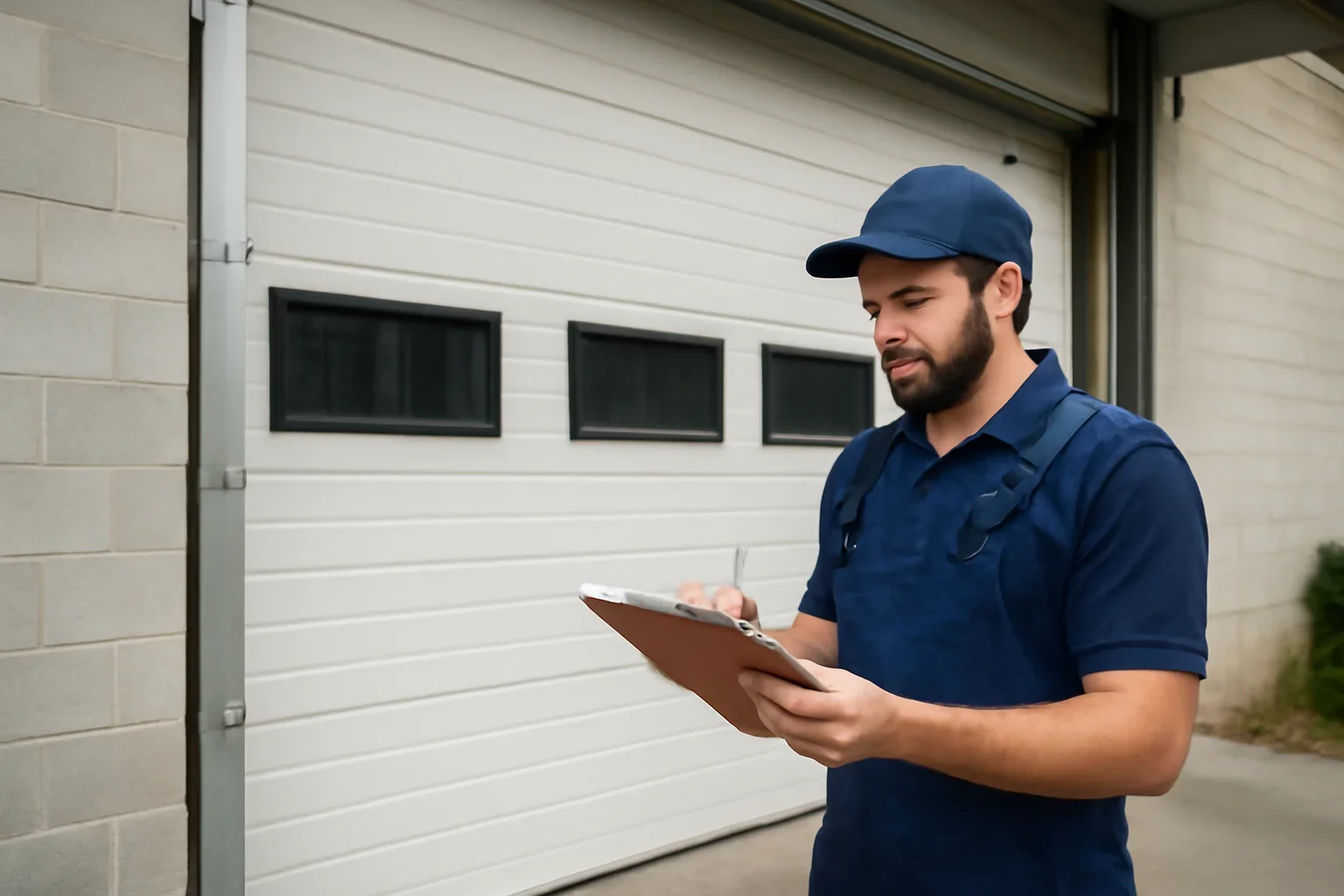
Keep staff, customers, vehicles, and equipment clear. Do not force the door, pull loose cables, enter damaged tracks, or attempt to adjust springs and bottom brackets.
Cedar Hills includes established homes, townhomes, neighbourhood shopping, service businesses, schools, parks, and properties close to Surrey City Centre. A commercial door request here is more likely to involve a retail or service unit, shared parking entrance, workshop, community property, institutional site, or mixed residential-commercial location than a large industrial warehouse.
Some properties also combine older building openings with newer operators, controls, safety sensors, or daily-use expectations. The correct repair may require checking whether newer components suit the existing door weight, track layout, clearances, framing, and counterbalance system.
A newer opener does not correct worn tracks, poor balance, weak springs, damaged rollers, or an opening that no longer seals evenly.
Retail and service properties may need to coordinate deliveries, customer parking, staff access, business hours, and the space available around the opening.
An uneven slab, settled pavement, worn bottom seal, or misaligned door can leave gaps without necessarily requiring replacement of the complete system.
For the wider neighbourhood overview, visit Cedar Hills garage door services. For citywide commercial guidance, see commercial garage door repair in Surrey.
Similar symptoms can come from several parts of the system. Describe the door’s movement, sound, current position, control response, and effect on the property rather than assuming which component has failed.
A jammed door can interrupt deliveries, secure parking, vehicle access, customer service, workshop use, storage, or equipment movement.
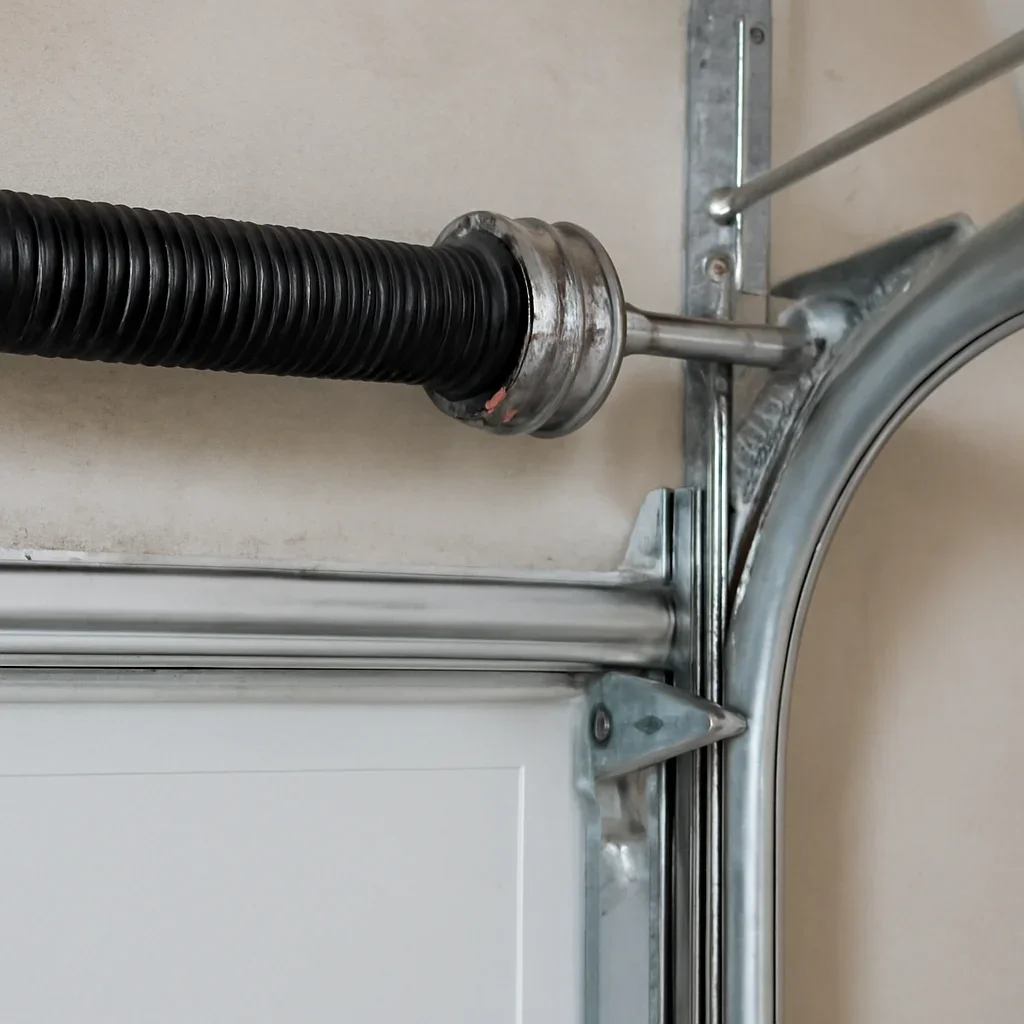
A door that falls, lifts unevenly, or will not remain open may have a spring, cable, drum, or balance-system problem and should not be forced.
Inconsistent operation may involve power, controls, safety sensors, limits, wiring, operator strain, or resistance elsewhere in the door system.
Rough movement may be related to worn rollers, hinges, track alignment, loose hardware, bearings, operator strain, physical damage, or poor balance.
Worn seals, uneven concrete, damaged perimeter material, drainage conditions, or poor alignment can leave the opening exposed to moisture and debris.
Installation may be considered when repeat repairs, structural damage, security, opening dimensions, obsolete parts, or operator compatibility makes replacement more practical.
A useful assessment considers the complete door system and how the property uses the opening. This helps avoid replacing one part while a balance, track, control, framing, threshold, or compatibility problem remains.
Identify whether the problem affects staff, customers, deliveries, vehicles, parking, equipment, storage, or property security.
Review springs, cables, tracks, rollers, hinges, brackets, panels, seals, controls, safety devices, and opener components.
Determine whether the opener, springs, tracks, hardware, controls, and door weight work together correctly within the existing opening.
Confirm controlled travel, limits, safety response, balance, clearance, and secure closing before normal use resumes.
“Commercial garage door” can describe several different systems. Property details help distinguish a neighbourhood retail or service door from a shared parking entrance, workshop opening, institutional door, or mixed-use access system.
Include business hours, delivery windows, customer parking, staff access, the location of the service entrance, and whether the door can be temporarily unavailable.
Confirm the authorized contact, entry process, visitor or contractor parking, control location, work-hour limits, and whether every user is affected.
Note previous opener replacements, modified tracks, added framing, uneven concrete, limited headroom, unusual door dimensions, and parts that appear older than the controls.
Clear booking information helps identify the likely service route and prevents avoidable access delays. You do not need to diagnose the failed component yourself.
Use the contact page and describe the symptom in plain language. The property type, current door position, system age, and operational impact are more useful than guessing which part has failed.

These answers help business owners, strata contacts, facility representatives, and property managers choose a practical first step without attempting unsafe repairs.
Commercial repair is a suitable starting point when an overhead, sectional, rolling, service, parking, or access door at a business or shared property is stuck, damaged, uneven, noisy, unreliable, or disrupting normal operations.
Restrict the area, keep people and vehicles clear, and protect the opening without touching loose cables or forcing the door. Explain whether stock, equipment, parking, staff areas, or public access are exposed.
It may be possible, but the door balance, weight, tracks, spring system, clearances, controls, and overall mechanical condition should be checked before assuming that a newer opener is a direct fit.
Possible reasons include a worn seal, uneven concrete, settled pavement, panel movement, poor door alignment, track issues, or a door that is no longer lifting evenly. The threshold and door system should be considered together.
Consider safety, structural condition, operating frequency, repeat repair history, security, parts availability, opener compatibility, downtime, and whether the existing system still suits the opening.
Appointment timing depends on current scheduling, technician routing, the door system, property-access requirements, required parts, and the urgency of the issue. Complete booking details make the request easier to assess.
Share the symptom, Cedar Hills location, property type, current door position, operational impact, and access instructions. This helps identify the most relevant repair route and prepare for a clearer commercial service discussion.
Phone: +1 (844) 822-2211
Email: info@surreygaragedoor.com
10362 King George Blvd
Surrey, BC V3T 2W5