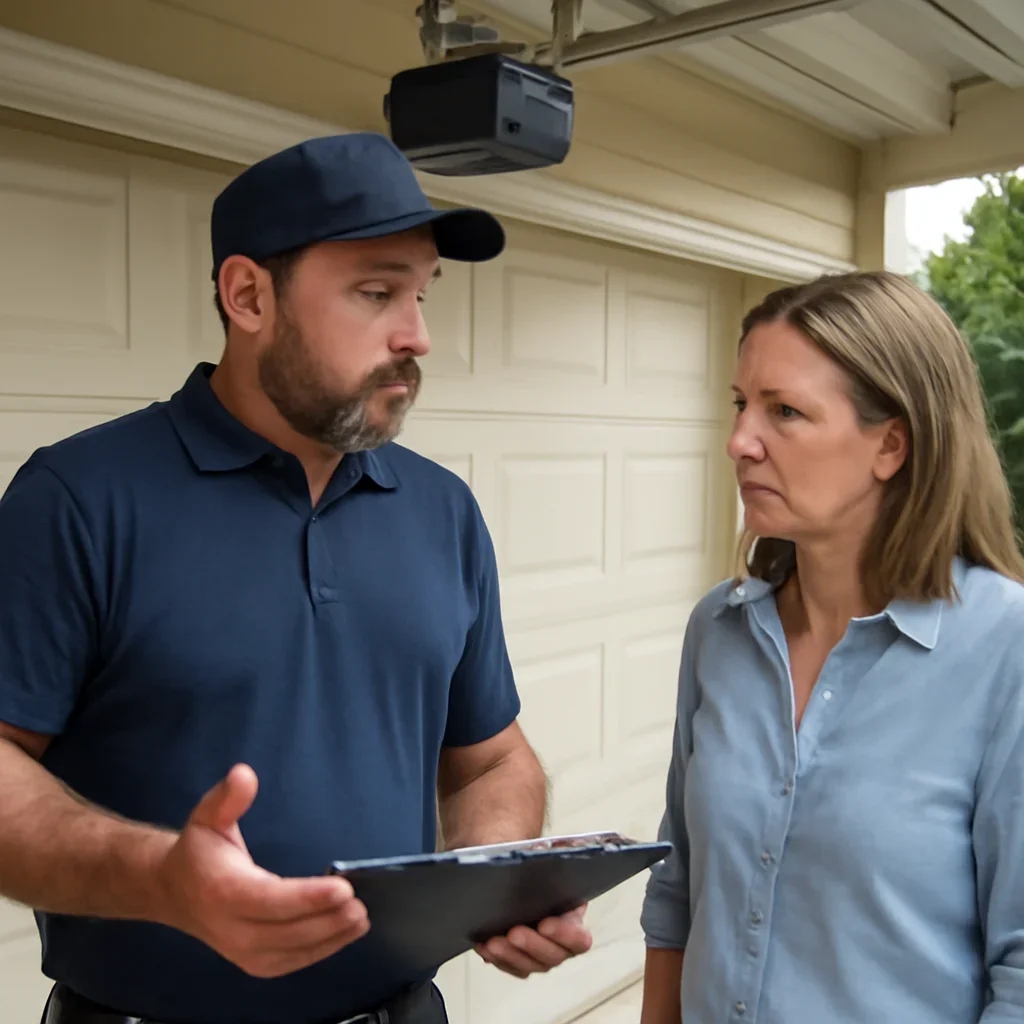
Remote, keypad, or wall control failure
If one control works and another does not, the problem may involve batteries, programming, wiring, signal range, keypad wear, or wall-console failure rather than the opener motor.
Test access controls first
When a garage door opener stops responding in Cedar Hills, the problem is not always the motor. Older detached homes, attached garages, basement-suite access, retrofitted openers, mature springs, worn tracks, and uneven bottom seals can all affect how the opener behaves. Surrey Garage Door helps Cedar Hills homeowners and property managers diagnose the real cause before replacing parts unnecessarily.
If your Cedar Hills garage door opener hums, clicks, flashes, reverses, runs but does not move the door, or only works from one control, stop forcing it. The door may have an opener issue, but it may also be heavy because of spring, cable, track, roller, or balance problems. Share the exact symptom, door position, and whether access or security is affected when booking service.
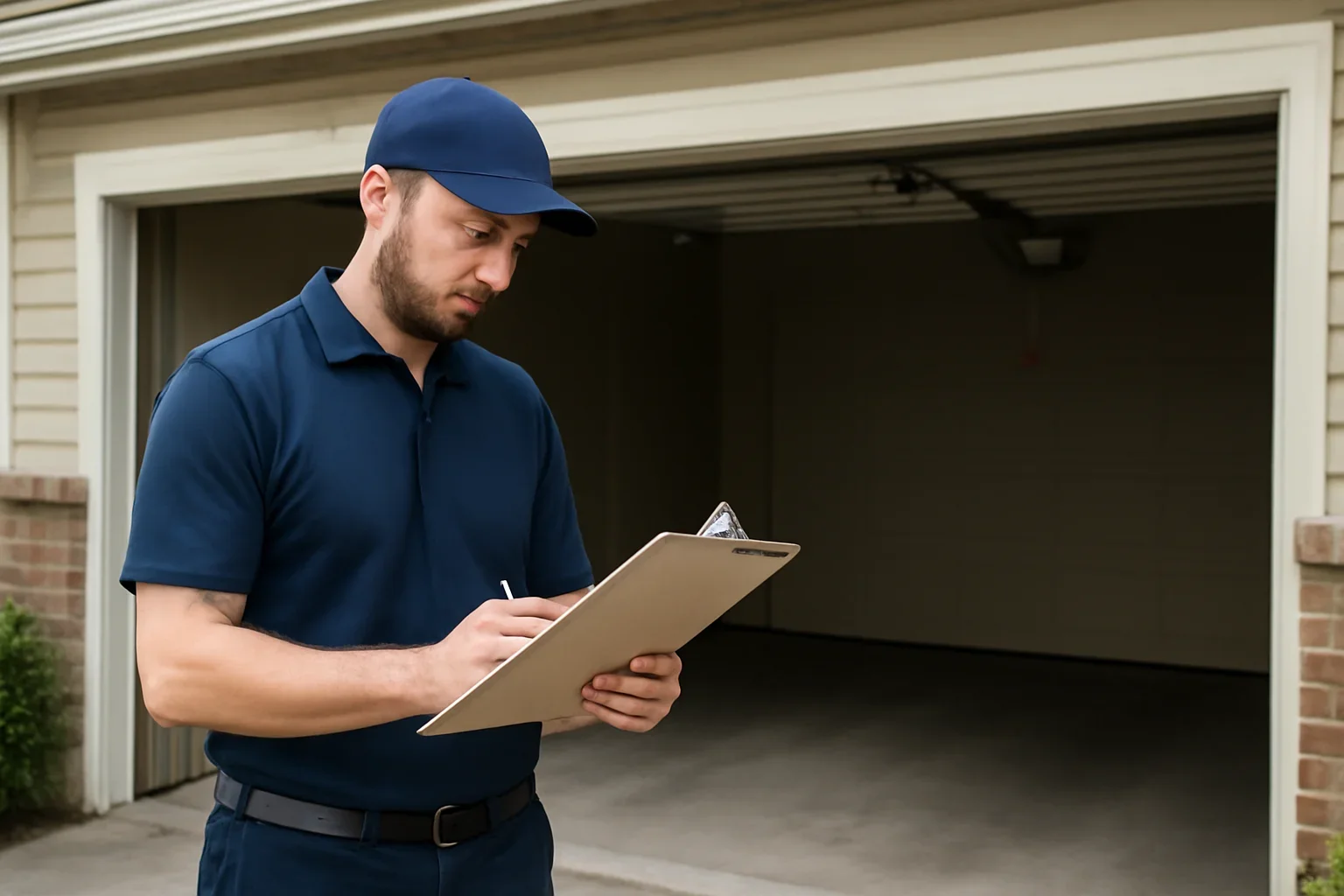

Cedar Hills has many established residential properties where garage doors and openers have been updated at different times. A newer opener may be connected to an older door, older springs, mature tracks, worn rollers, or a garage slab that no longer meets the bottom seal evenly.
That local mix matters. A door that reverses, stops halfway, shakes, or strains may look like an opener problem, but the opener could be reacting to a heavier door, sensor misalignment, track resistance, worn hardware, or a balance issue.
For a broader overview of the area, visit Cedar Hills garage door services. For the citywide service explanation, see Garage Door Opener Repair in Surrey.
A reliable repair starts by separating opener failure from door-system strain. Replacing a motor, remote, or sensor without checking the door balance can leave the same problem coming back.
If one control works and another does not, the problem may involve batteries, programming, wiring, signal range, keypad wear, or wall-console failure rather than the opener motor.
Test access controls firstFlashing lights, blinking sensors, or a door that reverses before closing can point to sensor alignment, wiring, sunlight interference, track obstruction, seal resistance, or travel-limit settings.
Check safe closingA humming opener can be caused by stripped gears, trolley issues, capacitor problems, opener strain, or a door that is too heavy because of spring or balance failure.
Separate motor from door weightGrinding, slipping, shaking, or rough travel can come from worn drive parts, loose hardware, damaged trolley parts, poor alignment, or a door that is creating too much resistance.
Inspect moving partsIf the door stops too early, closes then opens, or hits the floor and reverses, the opener may need limit, force, sensor, or closing-position troubleshooting.
Restore reliable travelIf the opener is old, underpowered, noisy, unreliable, or no longer worth repairing, replacement may be the better long-term option, especially when the door is used daily.
Avoid spending twiceSafety note: if the door feels unusually heavy, sits crooked, drops quickly, or only moves a few inches, do not keep pressing the opener. A spring, cable, or balance problem can damage the opener and create a safety risk.
The goal is to restore safe, reliable daily access while confirming that the opener is not being asked to lift a door with hidden mechanical problems.
Share whether the remote fails, keypad is dead, motor hums, lights flash, sensors blink, the door reverses, or the opener works only sometimes.
Remotes, keypad, wall button, wiring, safety sensors, travel limits, force settings, motor response, chain or belt movement, and power supply are checked.
Springs, cables, rollers, hinges, tracks, brackets, bottom seal contact, and balance are reviewed so an opener issue is not confused with a heavy-door issue.
The repair path is explained, then the door is tested for smooth travel, secure closing, auto-reverse function, and reliable daily operation.
In Cedar Hills, garage door opener problems often affect more than convenience. A failed opener can block a vehicle, interrupt a tenant or family member, expose storage, or leave an attached garage unsecured.
Because many homes in the area have mature garage systems, the best repair advice often depends on how the opener, door, tracks, spring system, and daily access needs work together.
Retrofit openers may need careful safety, force, travel, and hardware compatibility checks.
A noisy or unreliable opener can affect daily household access and security.
Shared use can make remote, keypad, and wall-control reliability more important.
Older springs, tracks, rollers, and hinges can create opener strain.
Moisture and worn seals can make sensor and closing issues more noticeable.
A stuck door may need same-day service when parking, security, or daily schedules are affected.
You do not need to know the failed part. A clear description of the symptom is enough to start.
Use this guide to describe the issue clearly. It helps separate opener trouble from sensor, spring, cable, track, roller, or full-system concerns.
| What you notice | Possible cause | Best next step |
|---|---|---|
| Remote does not work, but wall button does | Battery, remote programming, signal range, receiver, or remote failure | Share which controls work and whether more than one remote has failed. |
| Door starts closing, then reverses | Sensor alignment, obstruction, travel setting, seal resistance, or track issue | Check for visible blockage, then request sensor and closing-position troubleshooting. |
| Motor hums but the door barely moves | Worn gear, trolley issue, capacitor problem, opener strain, or heavy door | Stop forcing the opener and book a diagnostic visit. |
| Opener runs, but the door does not move | Disengaged trolley, broken drive part, stripped gear, or mechanical separation | Describe whether the opener rail moves and whether the emergency release was pulled. |
| Door is loud, shaky, or uneven while opening | Track, roller, hinge, spring, cable, or opener-force issue | Ask for a full door-system inspection, not just opener testing. |
| Opener fails often or feels underpowered | Aging opener, poor door balance, wrong opener match, or repeated hardware strain | Compare opener repair with replacement before spending again. |
Many Cedar Hills opener calls begin with one symptom but lead to a related repair path. These pages can help you compare the issue before booking.
Best for heavy doors, crooked travel, sudden failure, broken spring symptoms, and doors the opener can no longer lift safely.
View spring repair 02Best when the existing door is damaged, outdated, poorly sealed, hard to repair, or no longer suitable for the property.
View installation 03Best for comparing Cedar Hills opener issues with the broader Surrey service page, including controls, sensors, motors, and access problems.
View Surrey opener serviceThese answers help Cedar Hills homeowners, landlords, tenants, and property managers decide what to do when a garage door opener stops working.
You may need opener repair if the remote, keypad, wall control, safety sensors, motor, chain, belt, or travel settings are not working properly. If the door is heavy, crooked, or only moves a few inches, the problem may also involve springs, cables, tracks, or balance.
Same-day appointments are available across Surrey depending on schedule, routing, parts, and urgency. A door that is stuck open, stuck closed, blocking a vehicle, or leaving the garage unsecured should be described clearly when booking.
Repair may make sense when the opener has a fixable control, sensor, gear, travel, or wiring issue. Replacement may be better when the opener is old, underpowered, repeatedly failing, very noisy, or no longer suitable for the weight and use of the door.
Intermittent opener problems can come from weak remotes, sensor alignment, loose wiring, limit settings, worn gears, overheating, power issues, or door resistance. A diagnostic visit helps separate electronic problems from mechanical strain.
Share your Cedar Hills location, property type, door position, opener symptom, whether the remote or wall button works, whether lights flash, and whether the issue affects access, parking, tenants, family members, or security.
You can review pricing guidance to understand what can affect the cost of opener repair, garage door repair, spring repair, maintenance, installation, and replacement.
Whether the opener is clicking, humming, flashing, reversing, ignoring the remote, stopping halfway, or straining to move the door, start with the symptom. Surrey Garage Door can help route the issue toward opener repair, sensor troubleshooting, spring repair, track service, maintenance, installation, or replacement advice.