Confirm the symptom and urgency
Identify whether the door is stuck open, stuck closed, slow, loud, crooked, damaged, leaking, or blocking a vehicle or required access.

A garage door problem in Grandview Heights can interrupt the way a home, townhome, strata unit, or local business operates every day. Surrey Garage Door helps diagnose stuck, noisy, uneven, damaged, slow, or unresponsive doors and explains the repair path before unnecessary parts are replaced.
If the door is crooked, unusually heavy, stuck, hanging unevenly, or making a new grinding or snapping sound, stop forcing it. Note whether it is open, closed, or blocking a vehicle, then request a diagnostic visit. The symptom may point to spring repair, opener repair, panel repair, or another system-level issue.
Grandview Heights has grown around newer residential development, townhome communities, shopping destinations, schools, recreation facilities, and busy routes such as 24 Avenue, 160 Street, and nearby Highway 99 access. Garages here are often part of the main daily entrance, not simply a place where a vehicle is stored.
Many local doors are expected to operate quietly, close securely, support remotes or smart controls, and maintain the clean appearance of a street-facing exterior. A repair therefore needs to check the mechanical door and the opener as one system rather than treating every symptom as an isolated part failure.
For broader coverage, visit the South Surrey service area. You can also review residential garage door repair in Surrey for citywide service information.
Start with the symptom rather than guessing the failed part. These service paths cover the issues most likely to affect daily access, safe movement, weather protection, and the appearance of newer or frequently used garage doors.
Useful when the motor hums, the door reverses, a remote or keypad fails, smart controls disconnect, or safety sensors prevent secure closing.
View opener repair 02Relevant when the door feels heavy, lifts only a few inches, drops quickly, sits crooked, or causes the opener to work harder than normal.
View spring repair 03Best for dents, impact damage, cracked sections, bent panel edges, or visible misalignment that affects movement or curb appeal.
View panel repair 04Scraping, shaking, rubbing, rough travel, or a door moving unevenly can point to alignment trouble or worn movement hardware.
View track repair 05Worn bottom seals and perimeter gaps can allow rain, drafts, light, debris, or pests into the garage and may indicate poor door fit.
View weatherstripping 06Useful for doors that still work but have become louder, slower, less smooth, or less reliable under frequent household or strata use.
View maintenanceSafety note: Do not pull loose cables, adjust loaded springs, or keep operating a crooked or unusually heavy door. These parts can be under significant tension, and forcing the opener may add damage to the motor, rail, panels, or lift system.
A reliable recommendation comes from checking how the full door system behaves. The visible symptom may begin at one component but be caused or worsened by balance, resistance, alignment, or opener settings elsewhere.
Identify whether the door is stuck open, stuck closed, slow, loud, crooked, damaged, leaking, or blocking a vehicle or required access.
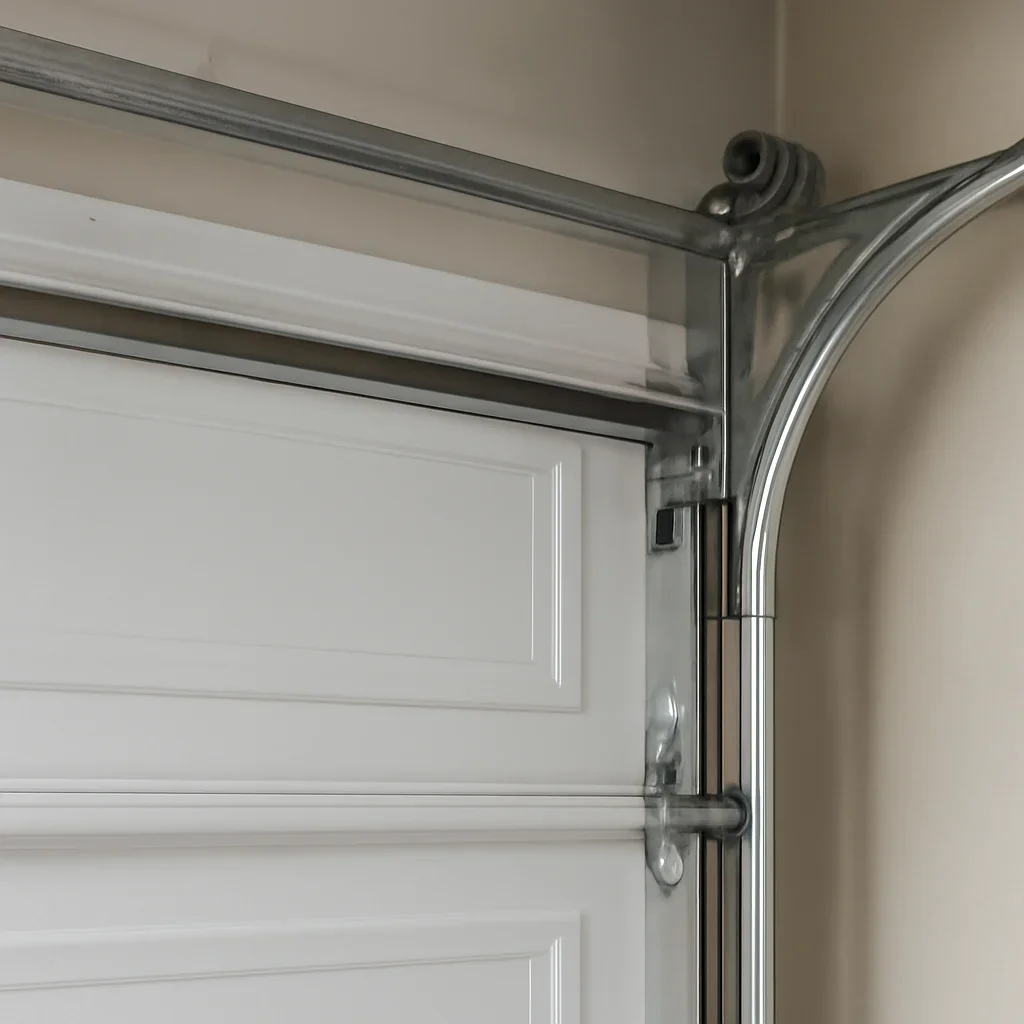
Review springs, cables, drums, tracks, rollers, hinges, brackets, panels, seals, and the balance of the door through its travel.
Check motor response, rail or trolley movement, travel limits, remotes, keypad, wall control, sensors, force settings, and auto-reverse.
Compare the failed part, overall condition, repeat service history, insulation, appearance, and long-term value before recommending replacement.
The same garage door symptom can require a different service approach depending on the property. A detached home near a busy family route, a townhome with shared parking, and a retail or mixed-use garage do not have identical access, noise, scheduling, or security priorities.
The most useful booking information is practical: property type, door position, visible damage, unusual sounds, whether the opener still responds, and what the failure is preventing you from doing.
Quiet movement, safe closing, reliable remotes, and weather protection matter when the garage is a frequent household entrance.
Parking layout, visitor access, noise concerns, and strata coordination may affect appointment planning and repair decisions.
Panel fit, visible dents, clean alignment, and finish compatibility may matter alongside the mechanical repair.
Connectivity trouble should be separated from sensor, receiver, power, travel-limit, or mechanical balance problems.
A door that cannot lift safely may need urgency-based service, especially when work, school, or medical travel is affected.
A door that will not secure or open on schedule can affect staff, deliveries, stored items, service space, and customer access.
You do not need to diagnose the failed part. A clear description of what changed is more useful.
This guide is not a substitute for an on-site assessment, but it can help you describe the issue accurately and choose the most relevant service page before booking.
| What you notice | What it may involve | Best next step |
|---|---|---|
| Remote, keypad, or wall control does not work | Battery, programming, receiver, wiring, power, sensor, or opener-board issue | Request opener troubleshooting and explain which controls still respond. |
| Door feels heavy, drops, or lifts only a few inches | Spring balance, cable, drum, bracket, or resistance in the door system | Stop using the opener and request spring and lift-system assessment. |
| Door is crooked, scraping, shaking, or unusually loud | Track alignment, cable tension, rollers, hinges, brackets, or panel fit | Book service before movement damage spreads to panels or lift parts. |
| Door reverses or will not close completely | Sensor alignment, obstruction, travel limit, force setting, track resistance, or seal contact | Check for an obvious obstruction, then request opener and safety-system testing. |
| Rain, drafts, light, pests, or debris enter around the door | Worn bottom seal, perimeter weatherstripping, uneven floor contact, or alignment issue | Request seal and closing-position inspection. |
| The same problem keeps returning | Aging major components, poor opener match, structural wear, or incomplete earlier diagnosis | Compare repair history and total condition against an upgrade or replacement. |
Not every noisy or unresponsive door needs replacement. The better decision depends on whether the issue is isolated, whether the door remains structurally sound, and whether repair will restore dependable use without repeated spending.
Usually appropriate when one serviceable component has failed and the remaining door, hardware, and opener are in good condition.
Useful when the door still works but has become louder, slower, less balanced, or less smooth under frequent daily use.
Worth comparing when the existing opener is unreliable, excessively loud, incompatible with desired controls, or poorly matched to the door.
May offer better value when panels are extensively damaged, insulation is poor, hardware is aging, or repeat repairs keep returning.
Neighbourhood boundaries are not always obvious when a property sits near a major road or an adjacent development. Use the same contact process if your address is close to Grandview Heights but falls within another South Surrey service area.
These answers cover the first decisions property owners commonly need to make before requesting repair, opener service, maintenance, weatherstripping, or replacement guidance.
Stop repeatedly pressing the opener and do not force a heavy, crooked, or hanging door. Note whether the door is open, closed, or blocking a vehicle; look for visible cable, track, panel, or spring trouble from a safe distance; then use the contact page to describe the symptom and urgency.
Same-day appointments may be available depending on scheduling, technician routing, parts, and the urgency of the problem. Clearly state if the door is stuck open, the garage cannot be secured, a vehicle is trapped, or normal property access is blocked.
New noise can come from dry or worn rollers, loose hinges, track movement, poor balance, opener strain, panel vibration, or hardware that has shifted under frequent use. A tune-up may help, but the door should be inspected before assuming lubrication alone will solve the cause.
Yes. The app, remote, receiver, or network may be working while the opener struggles against a heavy, unbalanced, obstructed, or misaligned door. Mechanical balance and safe manual movement should be checked alongside the opener controls.
Panel repair may make sense when damage is limited, compatible sections are available, and the door remains aligned and structurally sound. Replacement may be more practical when several sections are damaged, the finish cannot be matched, insulation is compromised, or the door has broader wear.
Yes. Newer doors can still develop compressed bottom seals, perimeter gaps, uneven floor contact, or alignment issues. Weatherstripping can reduce rain, drafts, light, debris, and pest entry, but the closing position should also be checked.
Share the Grandview Heights address or nearest major intersection, property type, door position, exact symptom, any visible damage, whether the opener responds, and whether access, security, a vehicle, tenant, delivery, or household schedule is affected.
Visit the Surrey Garage Door FAQ for broader answers about service, repair decisions, maintenance, installation, and common garage door problems.
Start with the symptom, not a guessed part. Share whether the door is stuck, slow, noisy, crooked, dented, leaking, reversing, or not responding. Include the property type, door position, nearest Grandview Heights area, and whether access or security is affected so the request can be routed appropriately.