Door stuck, crooked, noisy, or moving roughly
A general repair assessment is a practical starting point when the door binds, shakes, scrapes, stops partway, or no longer remains level.

Garage doors in West Cloverdale often support busy household routines. Attached garages may be used several times a day for commuting, school runs, storage, recreation equipment, and regular family access. When a spring, opener, cable, roller, track, or seal begins to fail, a small change in movement can quickly become a daily inconvenience.
Describe what the door is doing, whether it is a single or double door, and whether it is currently open, closed, uneven, noisy, or unresponsive. That helps identify whether the most relevant starting point is spring repair, opener repair, maintenance, or a broader repair assessment.
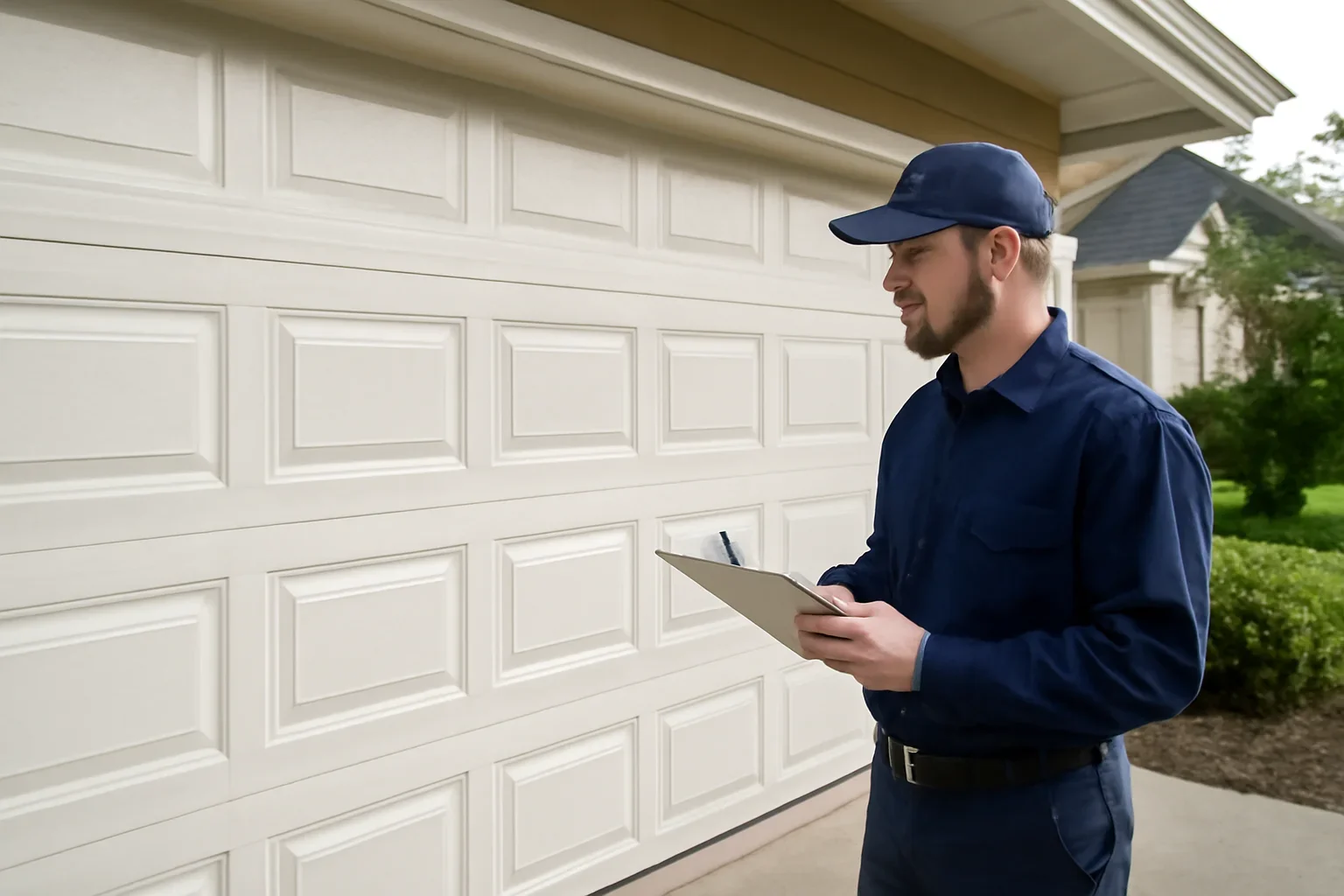
Stop operating it and keep people, pets, and vehicles away. Do not pull loose cables, touch springs, or force the door through a point where it binds.
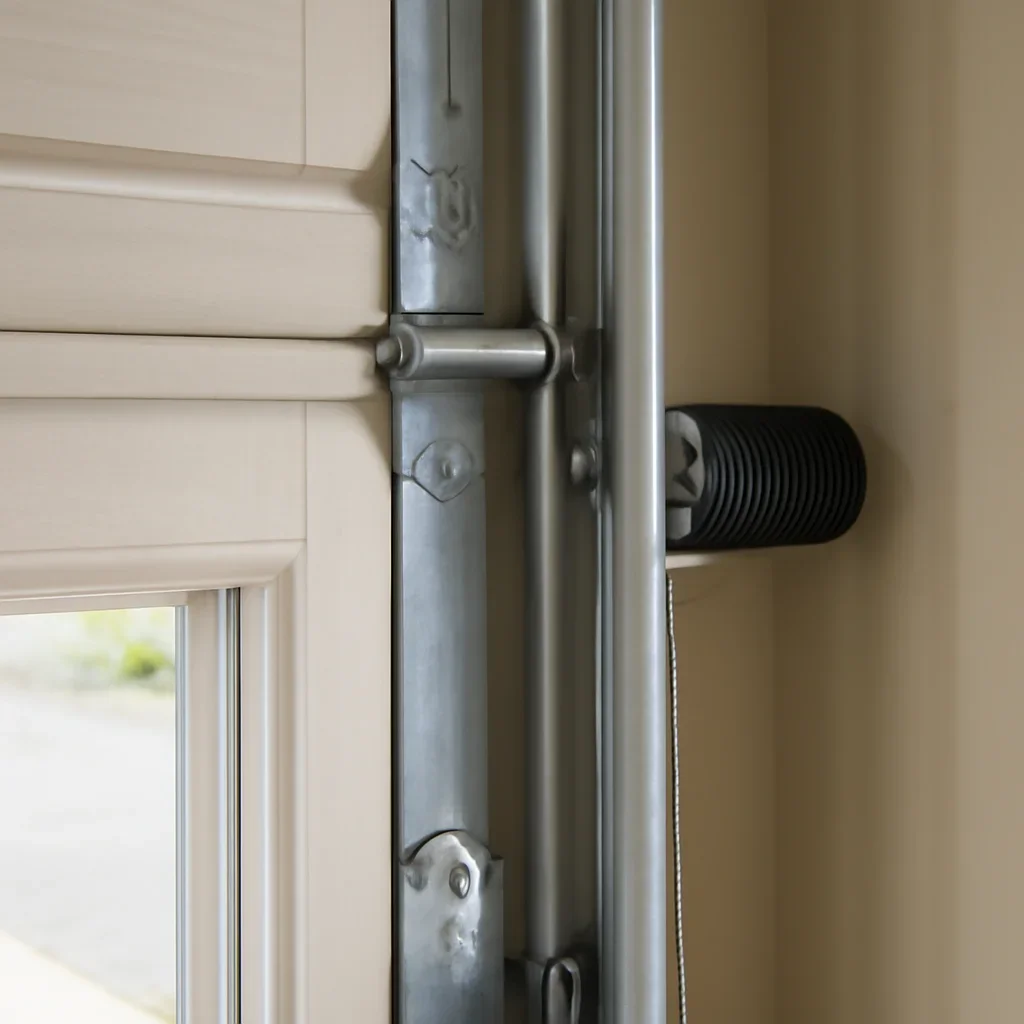
West Cloverdale includes established and newer residential streets with detached homes, townhomes, attached garages, and many double-width sectional doors. These doors often operate as a primary household entrance rather than an opening used only for vehicle storage.
Frequent daily cycles can gradually expose worn rollers, hinges, opener components, cables, springs, and weather seals. Surrey rain and seasonal debris can also make gaps, corrosion, sensor problems, and rough movement more noticeable.
A door that becomes unreliable can interrupt vehicles, household entry, storage access, and morning routines.
Larger doors require balanced movement across the full opening, making uneven lifting, cable problems, and roller wear important to address.
Worn bottom and perimeter seals can allow rain, drafts, dirt, leaves, and cold air into an attached garage.
For the wider neighbourhood overview, visit the West Cloverdale garage door services page.
Several garage door problems can create similar symptoms. Start with what the door is doing rather than assuming that one specific component has failed.
A general repair assessment is a practical starting point when the door binds, shakes, scrapes, stops partway, or no longer remains level.
A door that drops, feels unusually heavy, will not remain open, or rises unevenly may have a spring or counterbalance problem.
Inconsistent response may involve power, controls, safety sensors, travel settings, wiring, motor strain, or resistance elsewhere in the door.
Inspection, adjustment, lubrication, balance testing, hardware checks, and safety review can help identify wear before access becomes unreliable.
Installation planning may involve door size, insulation, panel design, opener compatibility, available headroom, noise, security, and daily household use.
Flattened seals, an uneven floor, damaged perimeter material, or poor door alignment can leave the garage exposed to wet Surrey conditions.
West Cloverdale garage doors are not all used in the same way. The door size, home type, garage layout, daily cycle count, opener system, and condition of the surrounding opening can change the most sensible repair or replacement plan.
Note whether the garage is attached, whether a vehicle is trapped inside, whether both sides remain level, and whether the opener or door is making a new sound.
Confirm visitor-parking rules, service access, strata responsibilities, permitted work times, and whether exterior door changes require approval.
Include the approximate width, whether the panels are damaged, whether the door seals evenly, and whether the opener struggles during part of the travel.
Clear details help separate an opener problem from a spring, cable, track, roller, seal, or door-balance issue. You do not need to diagnose the component yourself.
Use the contact page and describe the symptom in plain language. Include whether the issue started suddenly, developed gradually, or appears only during wet or cold conditions.

These answers help homeowners and property contacts choose a sensible first step without attempting unsafe repairs.
Common service requests include worn springs, opener strain, noisy rollers or hinges, uneven movement, damaged weather seals, sensor problems, and maintenance needs on doors used several times each day.
Appointment timing depends on technician availability, routing, the type of repair, required parts, and the urgency of the problem. Provide clear symptom and access details when requesting service.
Consider the door’s overall condition, safety, repeat repair history, panel damage, insulation, noise, opener compatibility, replacement-part availability, and whether the system still supports reliable daily use.
Stop operating it, keep people and vehicles away, and do not touch loose cables, springs, drums, or bottom brackets. Photograph the door’s position from a safe distance before requesting service.
Increasing noise can be related to worn rollers, dry or loose hinges, track alignment, opener strain, vibration, hardware movement, or a door that is no longer balanced correctly.
A wider door places greater importance on balanced lifting, cable condition, roller movement, spring capacity, opener suitability, and consistent sealing across the full opening.
Share the symptom, West Cloverdale property type, current door position, and whether the issue is affecting vehicle or household access. This helps identify the most relevant service route and prepare for a clearer repair discussion.
Phone: +1 (844) 822-2211
Email: info@surreygaragedoor.com
10362 King George Blvd
Surrey, BC V3T 2W5