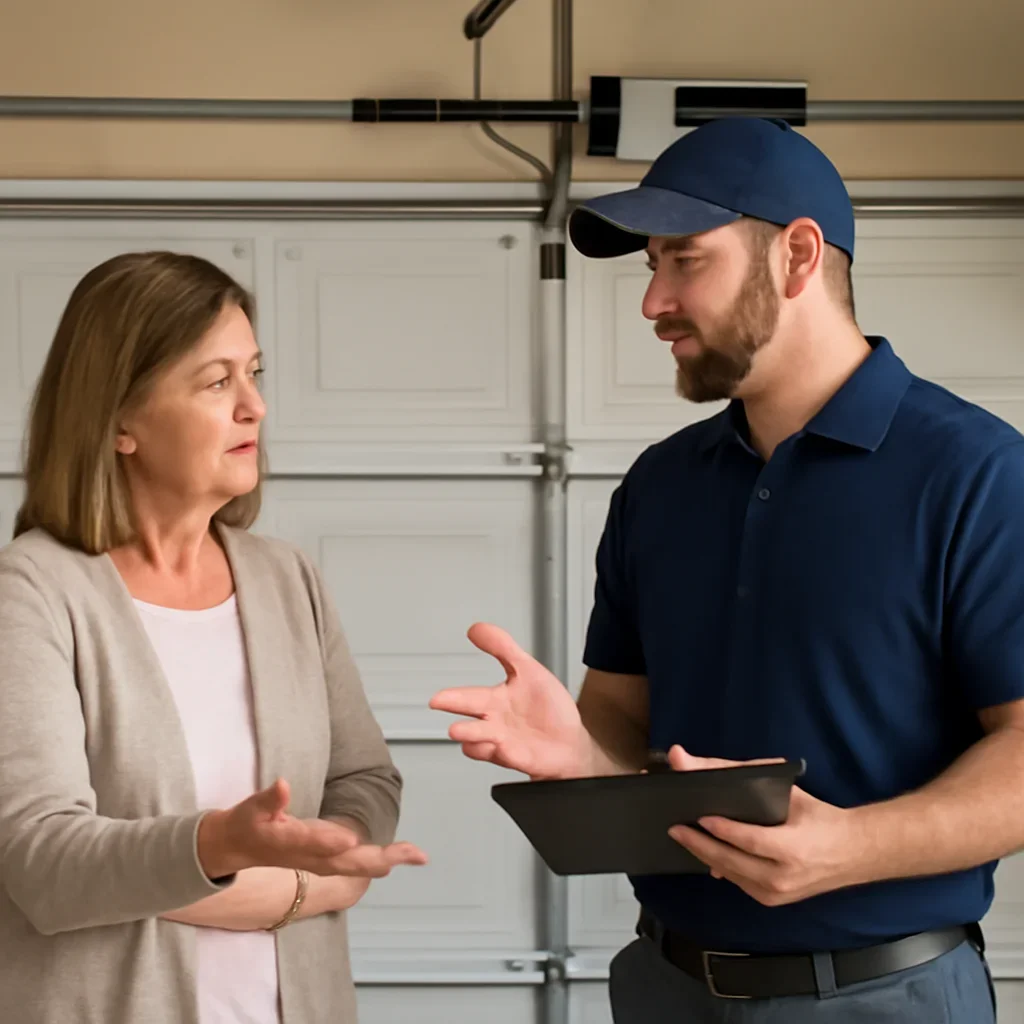
Remote, keypad, and wall control issues
If one control works but another does not, the issue may involve batteries, programming, keypad wear, wall-control wiring, signal range, receiver response, or remote failure.
Separate control issues first
When a garage door opener stops responding in East Newton, the issue may be electrical, mechanical, sensor-related, remote-related, or caused by the door itself. Surrey Garage Door helps homeowners, suite owners, landlords, and property managers diagnose opener problems in a high-use residential area where schools, parks, family traffic, detached homes, suites, and attached garages make reliable daily access important.
If your East Newton garage door opener clicks, hums, flashes, reverses, opens partway, will not close, or only works from one control, avoid forcing the system. A proper opener repair visit checks the opener, controls, sensors, travel limits, force settings, door balance, springs, tracks, rollers, hinges, and high-cycle wear before recommending repair, adjustment, or replacement.
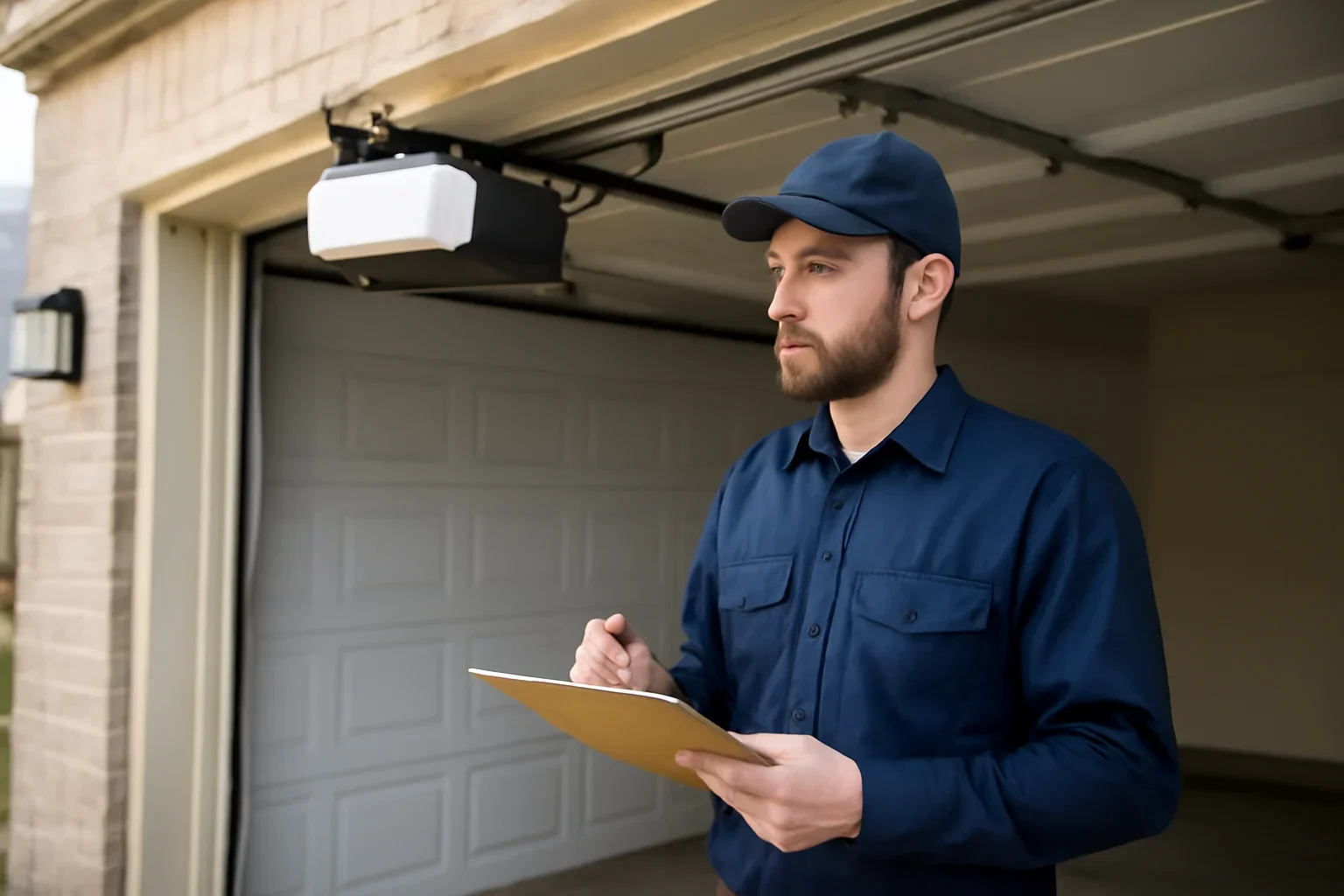
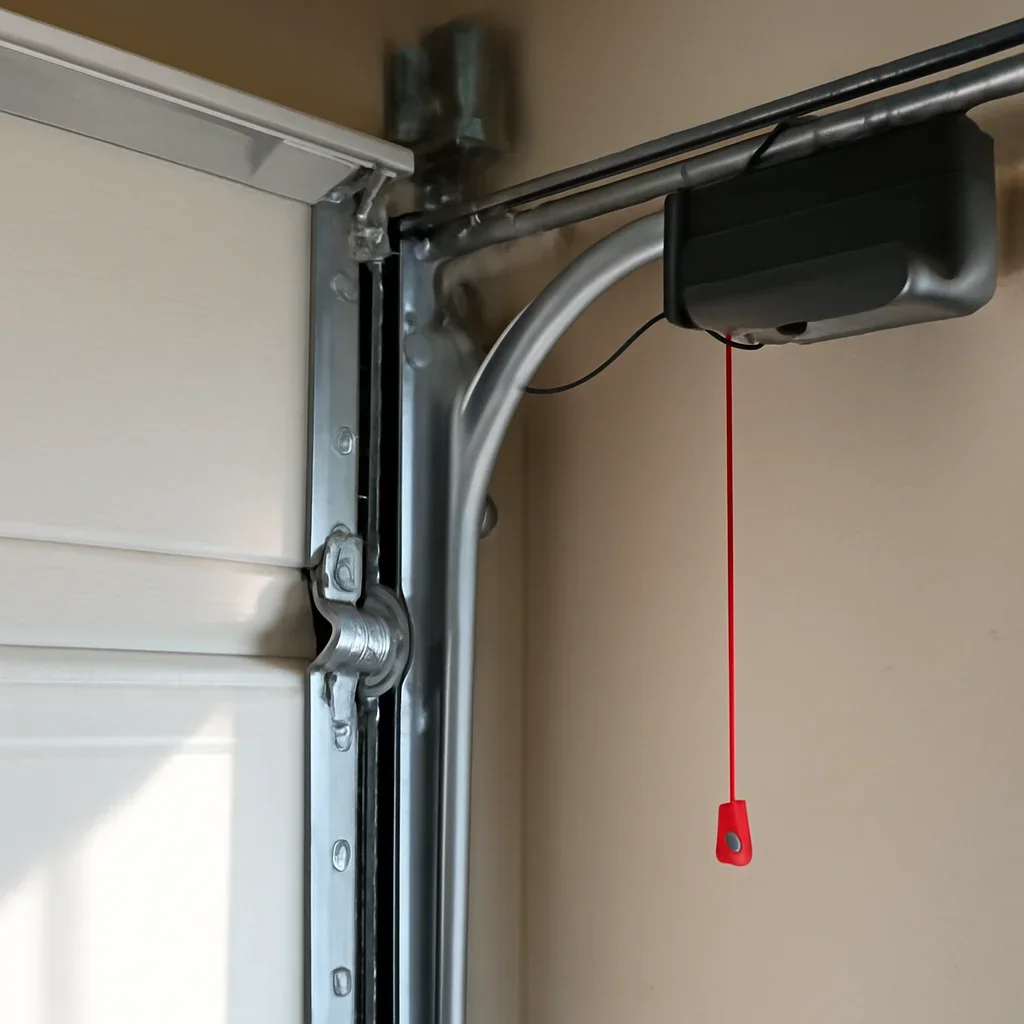
East Newton has many busy residential properties where the garage is used several times a day. Detached homes, secondary suites, attached garages, multi-vehicle households, school-day routines, work commutes, and family schedules can all add cycles to the door from morning to evening.
That high-use pattern matters because the opener is often blamed when the real issue is door balance, spring fatigue, track wear, roller resistance, sensor alignment, or remote reliability. If the door is heavy, noisy, uneven, or slow, the opener may be reacting to strain rather than causing the problem.
For broader area information, visit East Newton garage door services. For the citywide version of this service, see Garage Door Opener Repair in Surrey.
A garage door opener should be inspected as part of the full door system. In East Newton, that often means checking remotes, safety sensors, travel settings, spring fatigue, track wear, roller movement, and whether frequent use has put extra strain on the opener.
If one control works but another does not, the issue may involve batteries, programming, keypad wear, wall-control wiring, signal range, receiver response, or remote failure.
Separate control issues firstA door that reverses, refuses to close, or shows flashing opener lights may have sensor alignment, wiring, obstruction, track, seal, sunlight, or travel-limit issues.
Check safety devicesA humming motor can point to opener strain, worn gears, trolley trouble, a locked door, poor balance, spring fatigue, or a heavy door the opener is struggling to move.
Inspect opener and door loadRough travel, squeaking, shaking, and grinding can make the opener work harder than it should. Tracks, rollers, hinges, brackets, and lubrication points should be checked.
Reduce strain on the openerIf the door stops too soon, closes then opens again, or does not seal fully, the opener may need setting correction after the tracks, rollers, and door balance are checked.
Reset movement correctlyIf the opener is underpowered, noisy, unreliable, repeatedly failing, or poorly matched to a high-use door, replacement may be more practical than repeated repairs.
Avoid spending twiceSafety note: if the door is heavy, crooked, hanging unevenly, stuck, or only moves a few inches, do not keep pressing the opener. The opener may be reacting to a spring, cable, balance, roller, seal, or track issue rather than causing the problem itself.
The goal is to restore safe, reliable access while confirming whether the opener can be repaired, needs adjustment, is under strain, or should be replaced.
Share whether the opener clicks, hums, flashes, reverses, stops partway, loses remote connection, works only from one control, or does not respond at all.
Remotes, keypad, wall control, vehicle button, wiring, safety sensors, opener lights, receiver response, and power supply are checked before parts are recommended.
Springs, cables, rollers, hinges, tracks, door balance, opener mounting, seal drag, rail alignment, and high-cycle wear are reviewed together.
After adjustment, repair, or replacement advice, the door is tested for smooth travel, secure closing, auto-reverse, remote response, and reliable daily operation.
In East Newton, opener problems often show up during busy household routines: a remote stops working before school drop-off, a garage will not close before work, a suite household needs reliable shared access, or a high-use attached garage starts making noise because springs, rollers, tracks, or the opener rail are under strain.
The right repair plan depends on the whole setup. Detached homes, suites, attached garages, frequent vehicle movement, remote use by multiple drivers, track condition, spring fatigue, roller movement, and door balance can all affect whether repair, adjustment, maintenance, or opener replacement is the better next step.
Morning and evening use can quickly expose opener, remote, and sensor problems.
Shared access and multiple drivers can make remote and keypad reliability more important.
Safe closing and reliable entry matter when the garage connects directly to the home.
Repeated daily use can lead to spring fatigue, roller wear, and opener strain.
You do not need to know which part failed. A clear description of the symptom and property type helps the repair request get routed correctly.
Use this guide to describe the issue clearly. It helps separate opener repair from spring repair, cable repair, sensor troubleshooting, track adjustment, roller service, door balance correction, or full opener replacement.
| What you notice | Possible cause | Best next step |
|---|---|---|
| Remote or vehicle button does not work | Battery, programming, receiver, vehicle pairing, signal range, or remote failure | Share which controls work and whether multiple remotes have the same issue. |
| Door reverses or will not close fully | Sensor alignment, obstruction, travel limit, force setting, track resistance, seal pressure, or sunlight interference | Check for visible blockage, then request sensor and opener troubleshooting. |
| Motor hums but the door barely moves | Opener strain, gear issue, trolley problem, broken spring, locked door, poor balance, or heavy door | Stop forcing the opener and book a diagnostic visit. |
| Door is noisy, rough, or shaky | Roller wear, track friction, loose hinges, opener rail strain, spring fatigue, or poor lubrication | Ask for the opener and door movement to be checked together. |
| Door opens partway and stops | Travel setting, force setting, track friction, roller wear, opener age, seal drag, or poor door balance | Book service before repeated strain damages the opener. |
| Opener repairs keep coming back | Unbalanced door, underpowered motor, worn door hardware, spring fatigue, track wear, or repeated sensor issues | Compare repair cost against adjustment, maintenance, or opener replacement before spending again. |
Many opener calls start with a remote, keypad, wall button, sensor, or motor symptom but lead to related service needs once the full door system is checked.
Best for heavy doors, sudden failure, crooked movement, spring fatigue, broken spring symptoms, and openers that cannot lift the door safely.
View spring repair 02Best when an older or high-use door is damaged, poorly sealed, difficult to repair, too noisy, or no longer compatible with the opener.
View installation 03Best when you want to understand what can affect opener repair, opener replacement, spring service, maintenance, and installation costs.
View pricing guidanceAlternate search phrases tied to this service include garage door opener repair East Newton, garage door opener repair East Newton Surrey, East Newton garage door opener troubleshooting, and Surrey garage door opener repair.
These answers help East Newton homeowners, suite owners, landlords, and property managers decide what to do when a garage door opener fails.
You may need garage door opener repair if the remote, keypad, wall control, safety sensors, motor, rail, belt, chain, or travel settings are not working properly. Common signs include flashing opener lights, a humming motor, a door that reverses, a door that stops partway, roller noise, rough travel, or controls that only work sometimes.
Same-day appointments are available across Surrey depending on schedule, routing, parts, and urgency. When booking, explain whether the door is stuck open, stuck closed, blocking a vehicle, affecting household access, or creating a security concern.
Not always. A humming opener may be reacting to a heavy door, broken spring, locked door, worn trolley, gear issue, poor balance, roller resistance, spring fatigue, or track friction. The full door system should be checked before replacing the opener.
A door that closes and reverses may have sensor alignment issues, an obstruction, travel-limit problems, force-setting trouble, seal resistance, track friction, or sunlight interference. A repair visit can test the sensors and opener settings while checking the door path.
Repair may make sense if the opener is generally reliable and the issue is limited to settings, sensors, wiring, remote response, or a serviceable part. Replacement may be better if the opener is underpowered, unreliable, noisy, repeatedly failing, or poorly matched to a high-use door.
Share your East Newton location, property type, door type, opener brand if known, which controls work, what the opener does, whether the door moves manually, and whether access, parking, track wear, spring fatigue, roller noise, or security are involved.
Whether the opener is clicking, humming, flashing, reversing, opening partway, refusing to close, noisy, losing remote signal, or only working from one control, start with the symptom. Surrey Garage Door can help route the issue toward opener repair, sensor troubleshooting, remote setup, spring repair, track service, roller service, maintenance, replacement, or installation advice.