Opening and clearance review
The opening width, height, headroom, side room, ceiling clearance, floor contact, and track path should be reviewed before selecting the replacement door.
Measure before choosing
A new garage door in Strawberry Hill should make daily access easier, quieter, and more reliable. This busy Newton-area community includes single-family homes, townhomes, shopping-area traffic, shared driveways, and garages used for school runs, work commutes, errands, storage, and everyday entry. Surrey Garage Door helps homeowners and property managers choose and install garage doors that fit correctly, work with the right opener, seal properly, and hold up to frequent use.
Garage door installation in Strawberry Hill should be planned around opening size, daily use, opener compatibility, sensor setup, spring balance, quiet operation, weather sealing, and long-term reliability. If your current door is noisy, damaged, poorly sealed, slow, outdated, or repeatedly causing opener and sensor problems, replacement may be the more practical option.
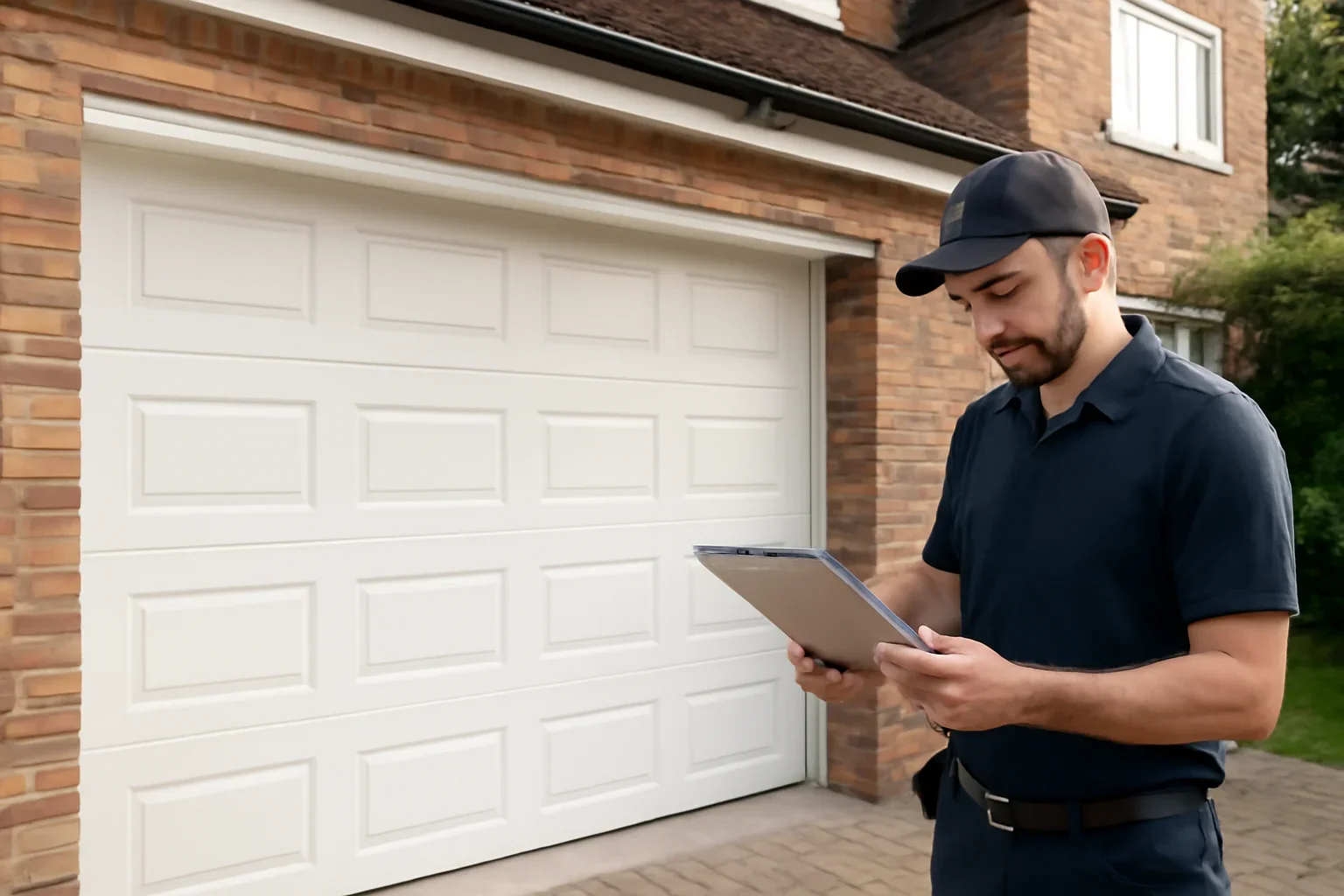
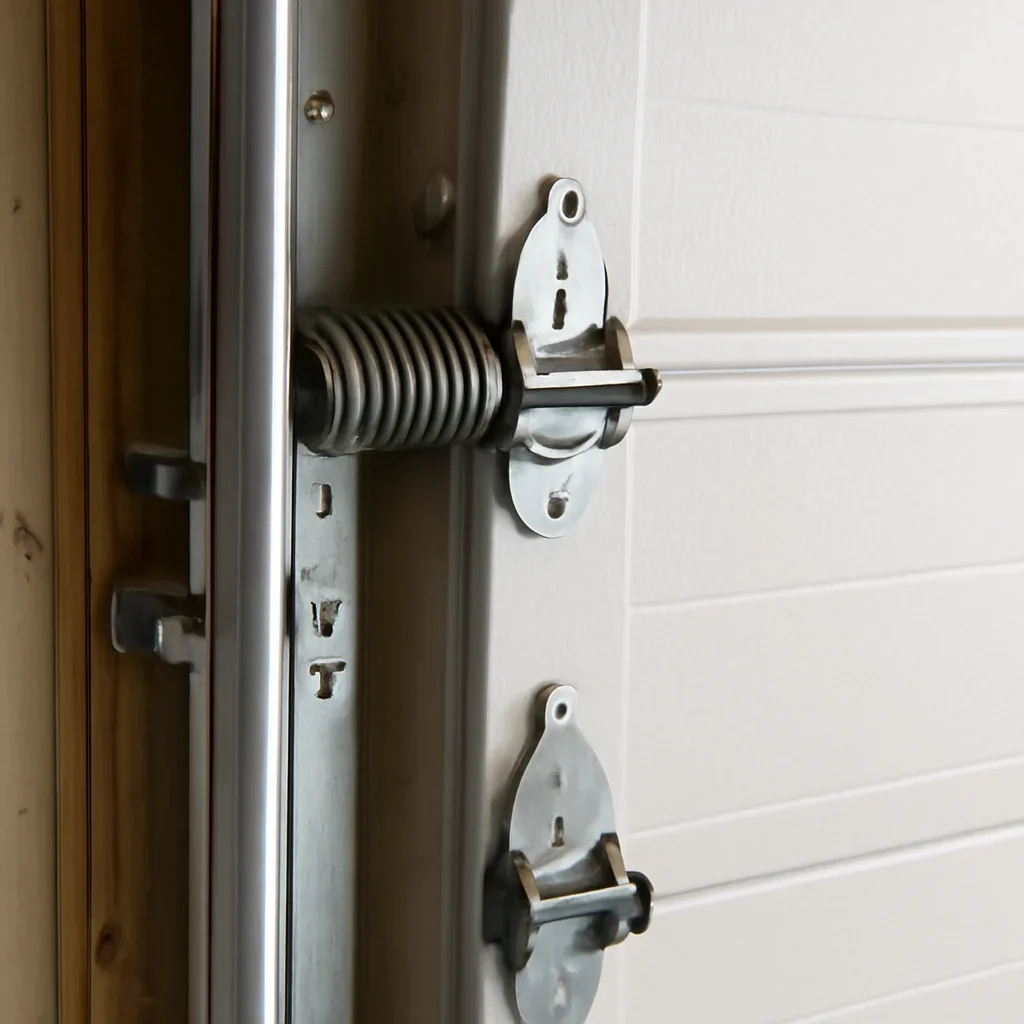
Strawberry Hill garages are often used as the main household entry point. With shopping-area traffic nearby, busy family schedules, townhome layouts, and frequent short trips, a door that reverses, hesitates, shakes, or fails to close can quickly become a daily frustration.
A replacement door should not be selected by style alone. If the old door had sensor faults, opener strain, spring wear, track noise, slow travel, or seal gaps, the new installation should address the full system so the same problem does not continue after the door is replaced.
For more neighbourhood-specific help, visit Strawberry Hill garage door services. For the broader citywide service explanation, see Garage Door Installation in Surrey.
A good installation starts with the full system. The new door, opener, tracks, springs, sensors, rollers, seals, hardware, and opening conditions all need to work together.
The opening width, height, headroom, side room, ceiling clearance, floor contact, and track path should be reviewed before selecting the replacement door.
Measure before choosingSteel, insulated steel, carriage-style, contemporary, and windowed doors should be compared based on home style, daily use, maintenance needs, and budget.
Choose a practical lookThe opener, remotes, wall control, safety sensors, force settings, and travel limits should be checked so the new door opens and closes reliably.
Avoid repeat opener issuesSprings, tracks, rollers, hinges, brackets, and cables should be installed and adjusted so the door moves smoothly without shaking, scraping, or overloading the opener.
Install the movement system correctlyBottom seals, side seals, top seals, panel fit, and closing position help reduce drafts, water entry, debris, pests, and security concerns.
Improve protection and closureThe installed door should be balanced, tested, fine-tuned, and checked for smooth travel, secure closing, opener response, sensor alignment, and safe auto-reverse.
Confirm safe daily useInstallation note: if your current door has repeated opener issues, sensor faults, spring wear, or maintenance needs, replacing only the panels may not fix the real problem. The opener, tracks, springs, sensors, seals, and hardware should be checked together.
Not sure if you need a new door or a focused repair? Describe the current symptom, door age, opener behaviour, and whether the garage is used as a main entry point.
The goal is to install a garage door that fits correctly, operates safely, closes reliably, and supports everyday Strawberry Hill use.
The existing panels, opener, sensors, springs, tracks, rollers, seals, hardware, opening size, and visible wear are reviewed before the best next step is recommended.
You get practical guidance on style, insulation, opener compatibility, sensor setup, noise reduction, weather sealing, and long-term value.
Tracks, springs, panels, rollers, hinges, seals, brackets, cables, and opener connection are installed and aligned for the selected door.
Door balance, opener response, sensor alignment, safety reverse, seal contact, smooth travel, secure closing, and noise level are checked before completion.
Many Strawberry Hill installation calls start with a repair question. The door may still open, but it may be noisy, dented, outdated, poorly sealed, slow, hard on the opener, or repeatedly affected by sensor and spring problems. In those cases, replacement can be more practical than continuing to patch an aging system.
The right replacement should balance convenience with reliability. For busy homes and townhomes, that often means thinking about opener performance, quiet rollers, spring balance, sensor placement, insulation, panel durability, and secure closing.
Frequent short trips can make slow, noisy, or unreliable operation more frustrating.
Shared access areas often need dependable opener response and safe sensor setup.
Door style, insulation, and reliability matter when the garage is a main entry point.
A new door should be matched with an opener that can handle its weight and travel.
Heavy or uneven movement should be checked before installation decisions are finalized.
Frequent adjustments may mean the system is aging as a whole.
You do not need exact technical terms. A clear description of your current door and what you want improved is enough to start.
Use this guide to decide whether installation should be your next step or whether a focused repair may still solve the issue.
| What you notice | What it may mean | Best next step |
|---|---|---|
| Door panels are dented, cracked, faded, warped, or outdated | The door may be hurting curb appeal or no longer performing well | Compare replacement options before paying for another repair. |
| The door reverses, stops, or will not close fully | Sensor fault, opener setting, track obstruction, seal resistance, or alignment issue | Check sensors and opener setup before deciding on replacement. |
| The opener strains, hums, or struggles to lift the door | Door balance, spring wear, opener mismatch, or excessive door weight | Check spring balance and opener compatibility before installing a new door. |
| The door is loud, shaky, or uneven | Roller, hinge, track, spring, cable, or panel issues | Get a system diagnosis to decide between repair and replacement. |
| Cold air, water, pests, or debris enter around the door | Seal wear, poor floor contact, panel gaps, or alignment issues | Ask for seal and installation-fit guidance. |
| You keep booking maintenance for the same issues | The door system may be aging as a whole | Review replacement cost against another short-term adjustment. |
A new door may solve the main problem, but opener, spring, sensor, and pricing questions often come up before the final decision.
Best for remotes, keypads, wall controls, safety sensors, humming motors, travel limits, and doors that reverse or stop unexpectedly.
View opener repair 02Best for heavy doors, sudden failure, crooked travel, broken spring symptoms, loose cables, and doors the opener can no longer lift safely.
View spring repair 03Review what can affect the cost of garage door installation, opener work, spring repair, maintenance, sensor troubleshooting, and replacement planning.
View pricing guidanceThese answers help Strawberry Hill homeowners and property managers decide whether to repair, replace, or request installation advice.
You may need installation if the existing door is damaged, outdated, noisy, poorly sealed, unsafe, repeatedly needing maintenance, hard on the opener, or no longer reliable for daily use. A proper assessment should consider the panels, opener, sensors, springs, tracks, rollers, seals, opening size, and how often the door is used.
Sometimes. If the opener and sensors are the only problem, repair may be enough. If the door is heavy, crooked, damaged, poorly balanced, or causing the opener to strain, replacement may help when paired with proper opener and sensor setup.
Sometimes. The opener should be checked for power, condition, travel settings, safety features, sensor alignment, and compatibility with the new door weight. If the opener is worn, noisy, or already struggling, it may need adjustment or replacement.
Repair may make sense if the issue is limited to one serviceable part and the door is still safe, balanced, and structurally sound. Replacement may be better if the door has damaged panels, repeated failures, poor sealing, spring wear, sensor problems, or ongoing opener strain.
Share your Strawberry Hill location, property type, current door condition, opener behaviour, sensor issue if any, whether the door is stuck or still moving, and whether the garage is used as a main entry point.
Start with the Strawberry Hill local hub for neighbourhood-specific service information, then compare the main Garage Door Installation in Surrey page for the broader citywide explanation.
Whether your current door is damaged, outdated, noisy, poorly sealed, slow, hard to lift, unreliable with the opener, or no longer worth repeated maintenance, Surrey Garage Door can help you choose the right installation path for your Strawberry Hill property.