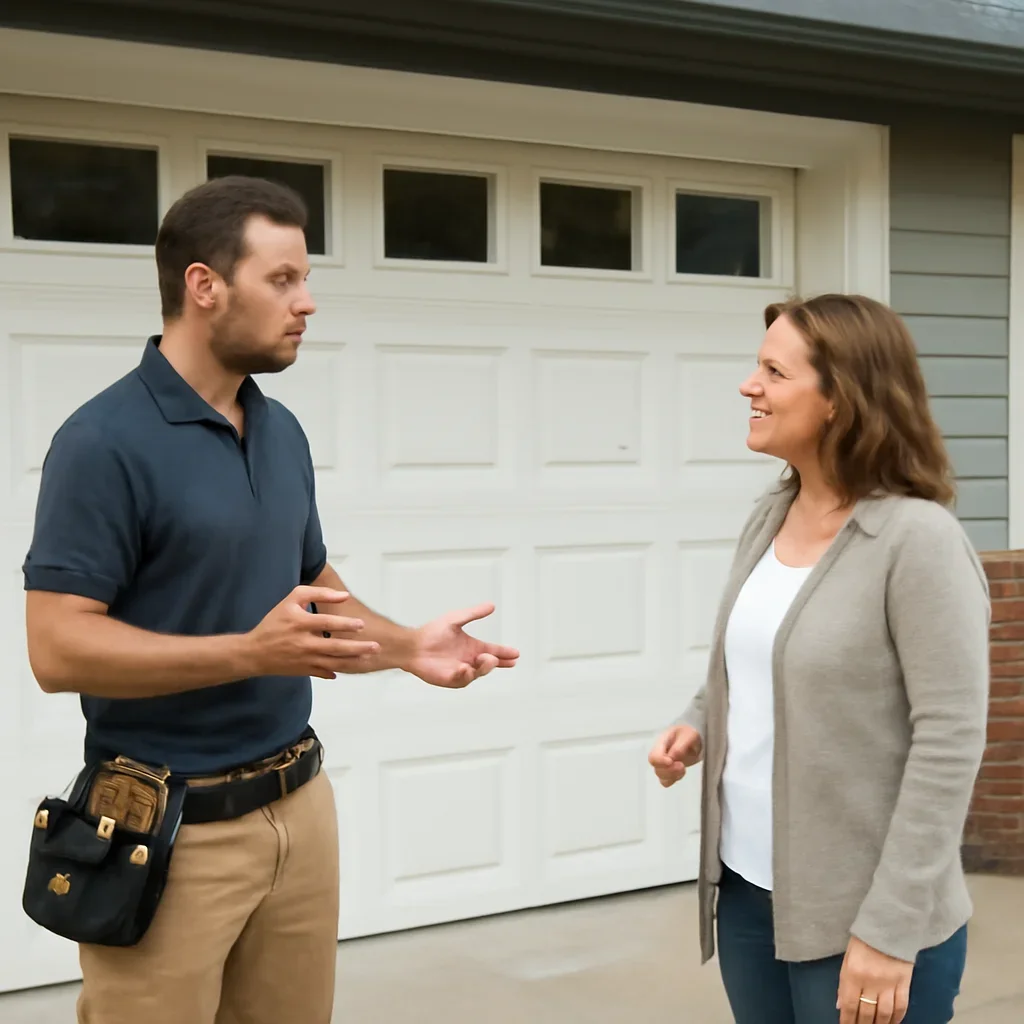
Opening size and clearance
The opening, headroom, side room, ceiling clearance, floor contact, and existing track setup should be reviewed before choosing a new door.
Start with the fit
A new garage door in Pacific Douglas should fit the opening correctly, work smoothly with the opener, support lane-oriented access, and protect the garage from South Surrey weather. In this growing border-area community, many properties include newer homes, attached garages, rear-lane layouts, insulated garage doors, and daily household access patterns where opener compatibility, spring adjustment, remote setup, and seal performance matter.
If your Pacific Douglas garage door is slow, noisy, uneven, poorly sealed, opener-strained, remote-sensitive, heavy, damaged, or not closing cleanly, installation may be the better long-term step. Share the property type, lane or front access, opener symptoms, remote or keypad issues, seal gaps, and whether the door is newer but still needs adjustment or replacement.
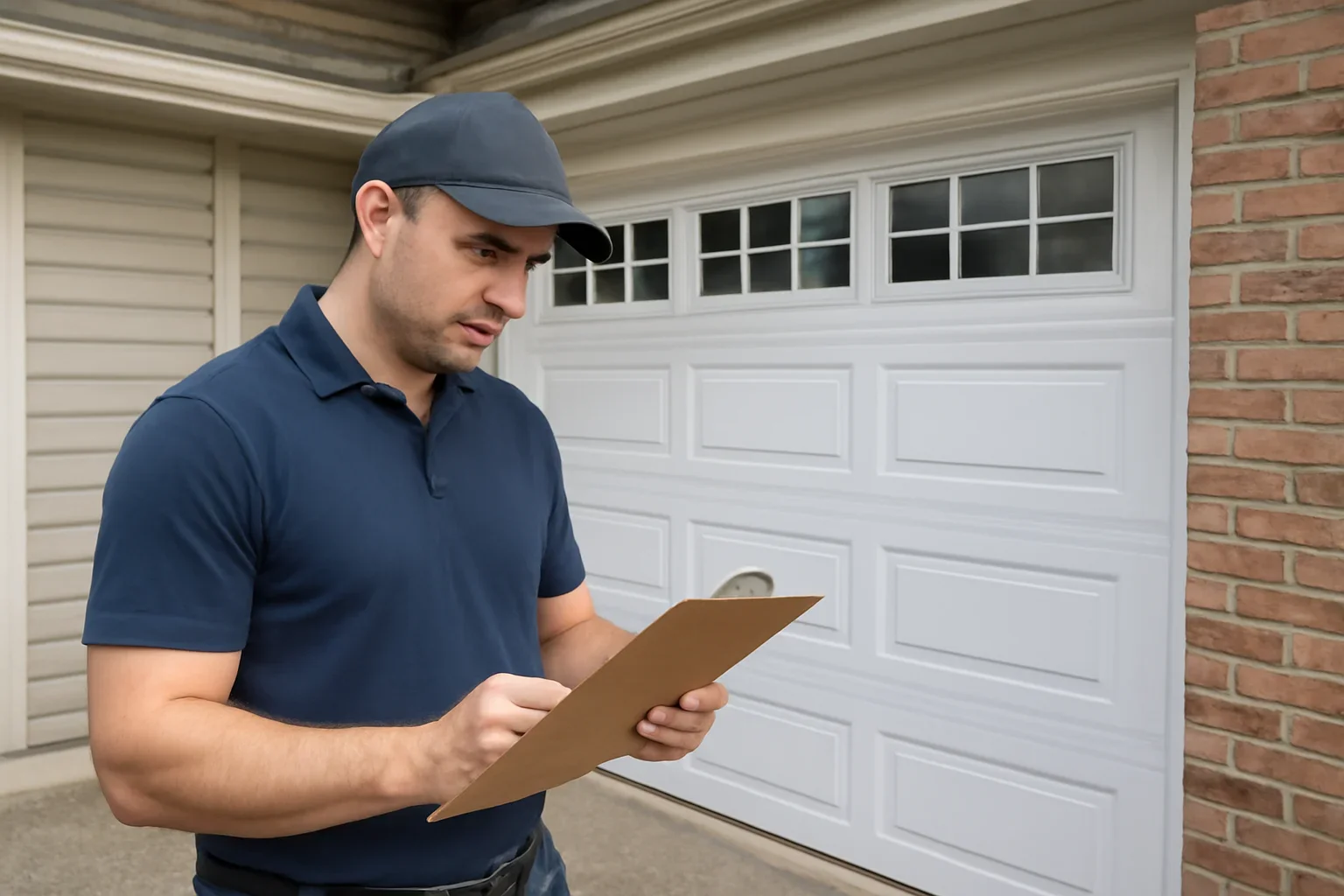
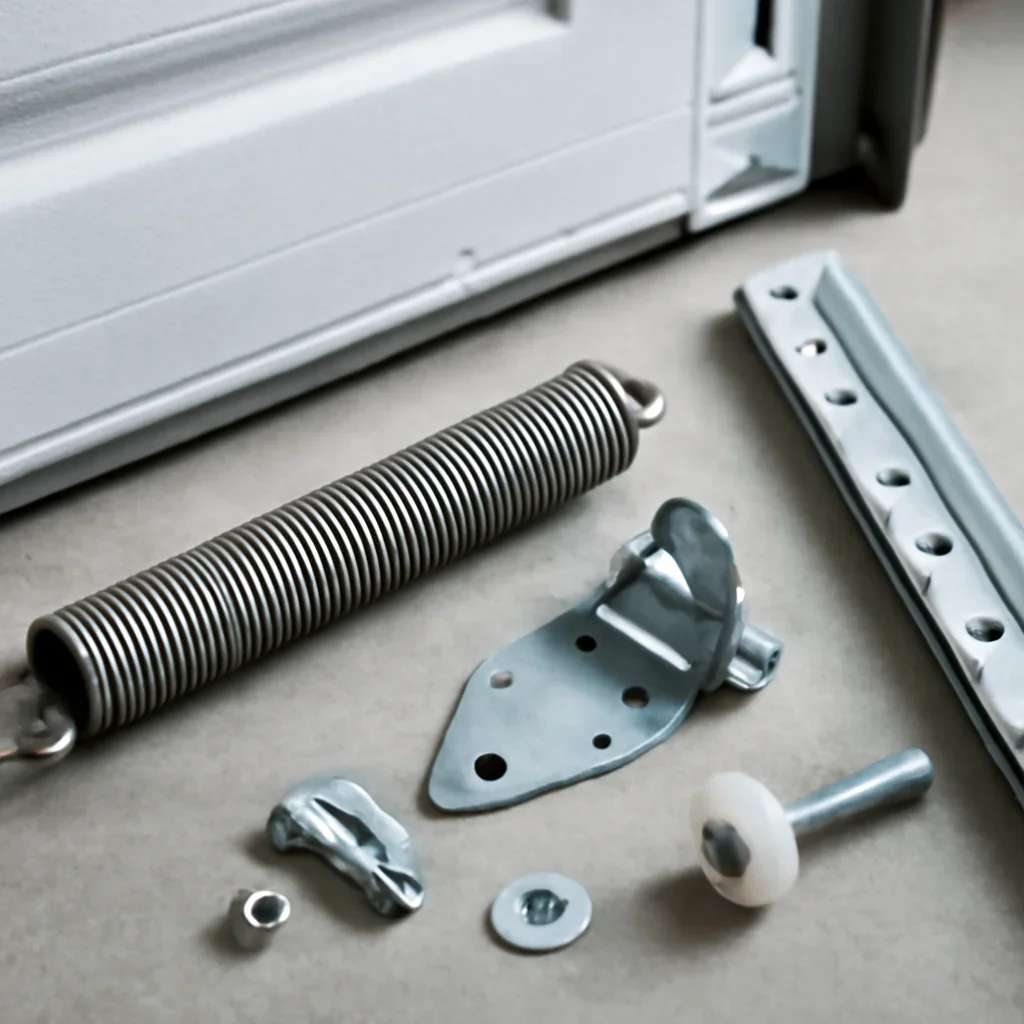
Pacific Douglas is a growing South Surrey border-area community where many garage doors are newer, but that does not mean every system is perfectly matched or fully settled. Newer doors can still need spring adjustment, opener calibration, remote setup, seal improvement, track alignment, or a replacement plan if the door no longer fits the home’s daily use.
Lane-oriented access also changes how garage door problems feel. A slow opener, unreliable remote, poor seal, or door that does not close cleanly can quickly affect parking, family entry, storage, and everyday routines. A proper installation should review the door, opener, remotes, springs, tracks, seals, sensors, hardware, and insulation as one connected system.
For broader area information, visit Pacific Douglas garage door services. For the citywide version of this service, see Garage Door Installation in Surrey.
A good Pacific Douglas installation starts with the full door system. The opening, insulated door weight, opener compatibility, remote setup, spring balance, lane access, seal performance, and daily use all affect which door makes sense.
The opening, headroom, side room, ceiling clearance, floor contact, and existing track setup should be reviewed before choosing a new door.
Start with the fitRear-lane access, parking routines, family entry, storage use, and daily cycles should guide door style, opener setup, and hardware choices.
Match the door to the useRemotes, keypads, wall controls, travel limits, opener force, safety sensors, and Wi-Fi or smart-control needs should be checked before installation is finalized.
Avoid access problemsSprings, tracks, rollers, hinges, brackets, cables, and hardware need to match the new door size, door weight, and expected daily-use level.
Install the full system properlyBottom seals, side seals, panel fit, floor contact, and alignment matter when the garage protects vehicles, tools, storage, bikes, or attached space.
Improve protectionIf the current door has repeated setup issues, opener strain, poor sealing, spring imbalance, panel damage, or unreliable access, replacement may be more practical than another short-term adjustment.
Plan beyond the quick fixLocal service note: Pacific Douglas pages should not assume every issue is age-related. Many calls here involve adjustment, setup, opener compatibility, remote function, and weather sealing rather than old parts alone.
The goal is to install a door that fits correctly, opens smoothly, closes securely, works with the opener, and supports newer-home access patterns.
The old door, opening, tracks, opener, spring system, remote function, keypad response, safety sensors, seal condition, balance, damage, and clearance are reviewed before planning.
Door style, insulation, window placement, hardware, opener compatibility, remote setup, lane access, weather sealing, and daily use patterns are compared clearly.
Tracks, springs, rollers, hinges, brackets, seals, panels, cables, sensors, and opener interface are installed and aligned as one complete system.
Balance, travel, opener response, remote and keypad function, safety sensor alignment, secure closing, safety reversal, seal contact, and smooth operation are checked before completion.
In Pacific Douglas, installation is often about improving newer-system reliability, opener compatibility, access convenience, weather sealing, and long-term performance.
Newer homes may still need better door fit, opener matching, seal contact, quiet travel, or a replacement that better suits daily use.
Rear-lane garages depend on reliable remotes, predictable opener response, safe sensor alignment, and secure closing after each use.
Insulated doors can be heavier, so spring adjustment, opener force, travel limits, and balance testing should be part of planning.
A new or heavier door should work with an opener that can handle the weight, travel, safety reversal, and access needs correctly.
Remotes, keypads, wall controls, smart features, and safety sensors should be checked together so access is convenient and consistent.
Bottom seals, side seals, panel fit, and floor contact help reduce drafts, water, debris, daylight gaps, and weather exposure.
You do not need to know the exact door model. A clear description of the current door, opener, access pattern, and symptoms is enough to start.
Use this guide to decide whether to ask about installation, repair, opener service, or spring repair when you contact Surrey Garage Door.
| What you notice | What it may mean | Best next step |
|---|---|---|
| Door is damaged, dented, outdated, or no longer right for the home | The current door may be a better candidate for replacement than another short-term repair | Ask about new door options that match the opening, home style, lane access, and daily use. |
| Door is heavy, uneven, slow, or difficult to lift | Spring adjustment, spring fatigue, cable wear, balance issues, or opener strain may be involved | Do not force the opener. Compare installation with garage door spring repair in Pacific Douglas. |
| Remote, keypad, opener, or wall control is unreliable | The opener may be misadjusted, poorly matched, outdated, or affected by sensor or control issues | Compare installation with garage door opener repair in Pacific Douglas. |
| Door reverses, stops, or does not close cleanly | Safety sensor alignment, opener travel limits, spring balance, track position, or seal contact may be involved | Request a full system inspection before choosing repair or replacement. |
| Water, cold air, debris, or daylight comes through gaps | Bottom seals, side seals, floor contact, panel fit, or door alignment may be poor | Ask for installation options that improve closure, insulation, and weather protection. |
| Newer door keeps needing adjustment | The full system may be poorly matched, under-adjusted, strained, or not calibrated for the way the garage is used | Review installation and pricing guidance before spending on another short-term adjustment. |
Some Pacific Douglas calls start as installation requests but turn out to involve openers, remotes, springs, sensor alignment, seal gaps, insulated door weight, or a setup-versus-replacement decision. These related pages can help you compare the issue before booking.
Best for opener compatibility, remotes, keypads, safety sensors, opener motors, limit settings, and doors that reverse or stop unexpectedly.
View opener repair 02Best for insulated doors, spring adjustment, spring fatigue, broken spring symptoms, crooked travel, and doors the opener can no longer lift safely.
View spring repair 03Best for reviewing the broader local service area, common Pacific Douglas garage door concerns, and repair or replacement options.
View Pacific Douglas servicesThese answers help Pacific Douglas homeowners, landlords, and property managers decide whether to adjust, repair, replace, upgrade, or install a new garage door.
You may need installation if the door is damaged, poorly sealed, opener-strained, unreliable, heavy, noisy, uneven, or no longer suited to the property’s access needs. In Pacific Douglas, opener compatibility, spring adjustment, remote setup, lane access, insulated door weight, and weather sealing should be part of the decision.
Yes. Surrey Garage Door serves Pacific Douglas and nearby Surrey communities. Appointment timing depends on schedule, routing, measurements, door selection, parts, opener needs, and whether the issue is urgent.
Not always. Some newer systems only need opener service, spring adjustment, sensor alignment, remote setup, track adjustment, or seal work. A new door may be better when the door is damaged, poorly matched, opener-strained, repeatedly unreliable, or no longer suited to the home’s daily use.
Not always. If the opener is reliable and properly matched to the new door, it may be reused or adjusted. If it is weak, noisy, outdated, unreliable, or not suitable for the new door weight or access pattern, opener work should be discussed during installation planning.
The right door depends on the opening size, home style, insulation needs, lane access, opener setup, door weight, and daily use. Many Pacific Douglas properties benefit from durable insulated steel, reliable seals, balanced springs, smooth hardware, and properly matched opener controls.
Share your Pacific Douglas location, property type, current door condition, approximate door size if known, opener condition, lane or front access, remote or keypad issues, seal concerns, and whether your priority is adjustment, repair, replacement, or a new installation.
Whether your door is damaged, slow, poorly sealed, opener-strained, remote-sensitive, heavy, uneven, or newer but still not working the way it should, start with the symptom and how the garage is used. Surrey Garage Door can help route the issue toward installation, opener service, spring repair, adjustment, repair planning, or replacement advice.