Door stuck open or closed
A jammed door can block shared parking, storage, a service entrance, a work vehicle, or deliveries. The inspection checks springs, cables, tracks, rollers, balance, and opener operation.
Priority: restore safe access
A failed commercial garage door can block a service entrance, interrupt access to shared parking, trap a work vehicle, or leave equipment, supplies, and stored property exposed. Surrey Garage Door helps Ocean Park businesses, strata representatives, property managers, landlords, and owners identify the problem and choose a practical repair path.
Stop operating the door if it is unusually heavy, hanging unevenly, scraping, visibly off track, or unable to close securely. When booking, describe the door type, its current position, the exact symptom, and whether access, vehicles, deliveries, tenants, equipment, or property security are affected.
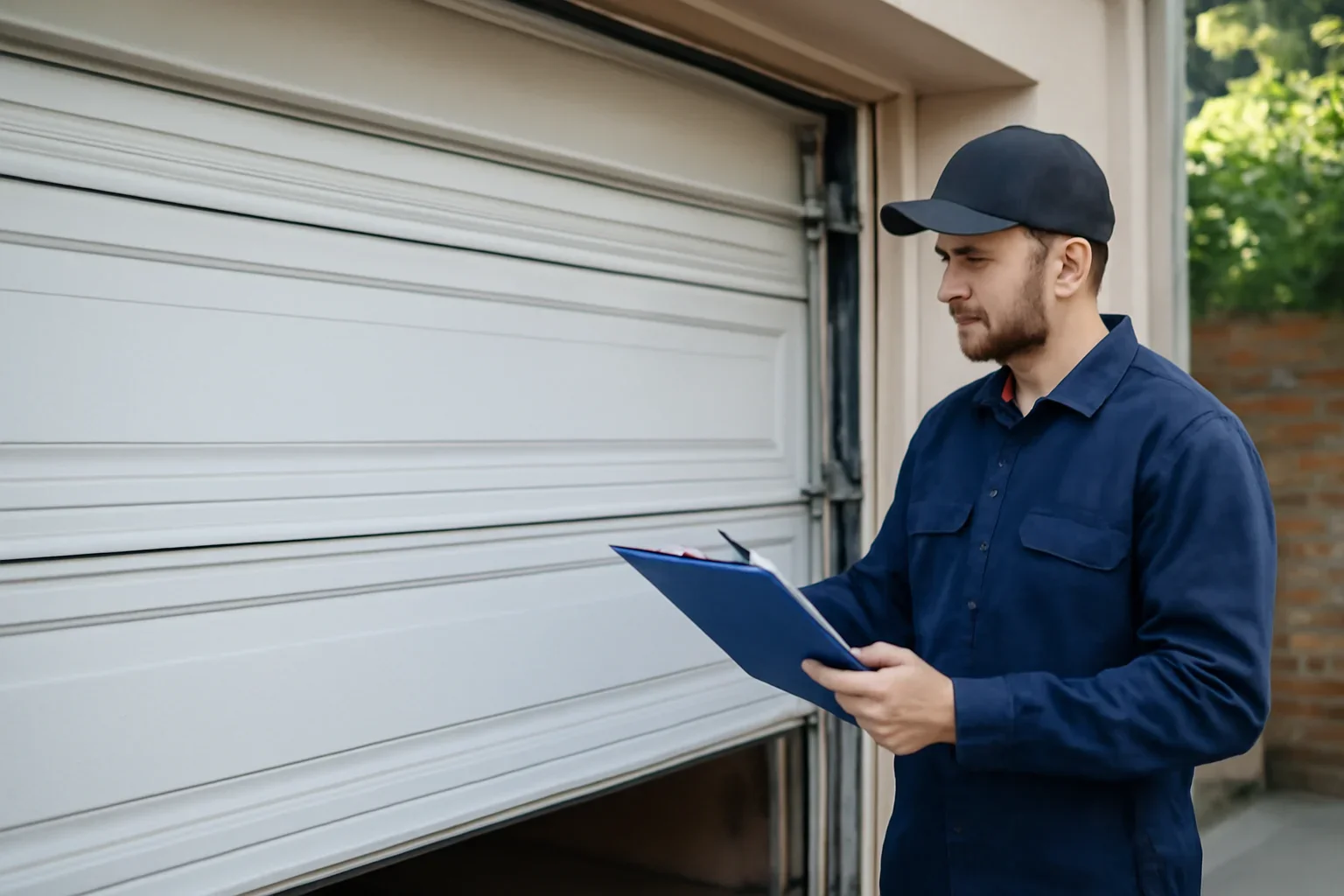
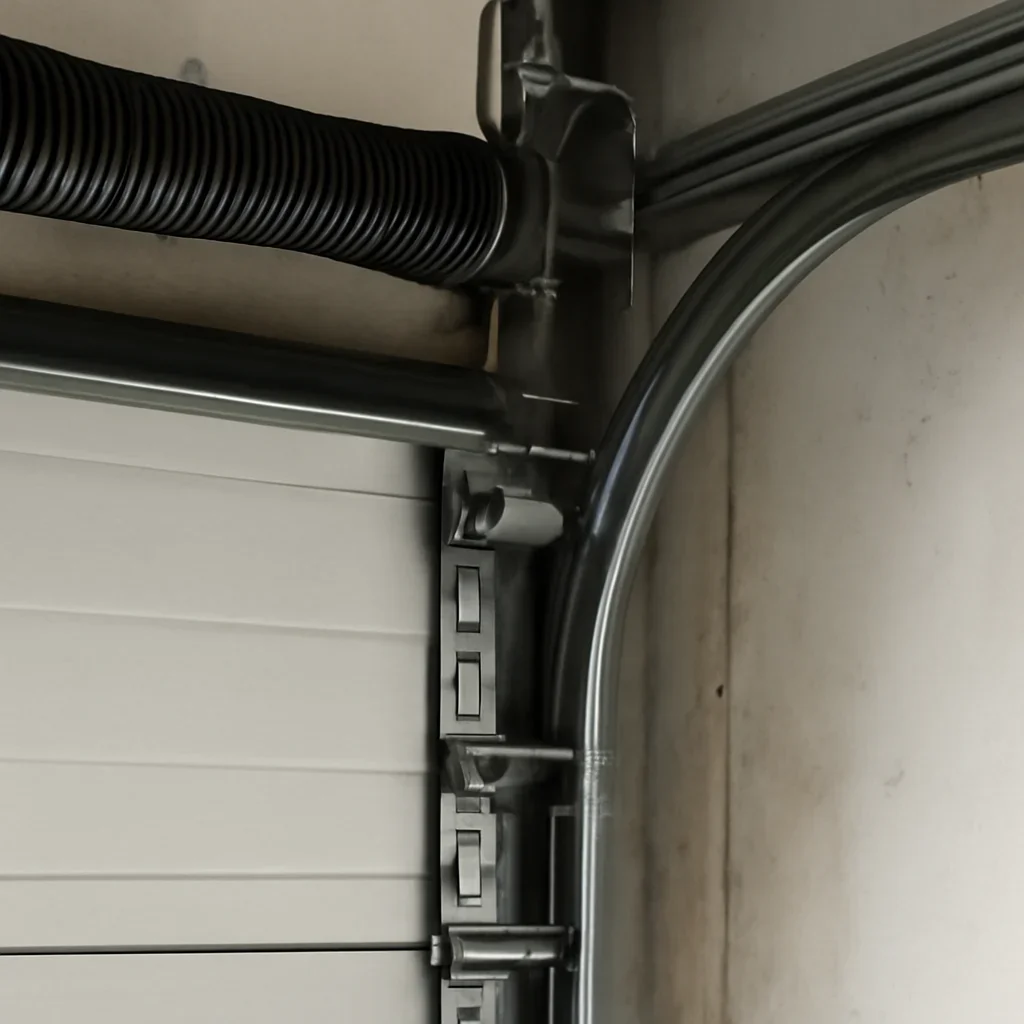
Ocean Park is primarily a mature South Surrey residential neighbourhood with established streets, large trees, community amenities, and a neighbourhood-serving commercial area. Commercial garage door work here is therefore more likely to involve a village business, strata property, shared parking entrance, storage space, maintenance area, contractor vehicle, or commercial-style door than a large industrial loading bay.
Coastal air and persistent moisture can make surface corrosion, seal condition, fasteners, tracks, brackets, and exposed hardware worth checking. Corrosion should not be assumed to be the cause of every problem, but it can contribute to rough movement or weaken components when maintenance has been delayed.
Appearance may also matter more on doors that face a public street, customer area, shared courtyard, or carefully finished property. A good recommendation should consider safe operation, security, weather protection, compatible replacement parts, and how visible repairs will affect the exterior.
Review Ocean Park garage door services for broader local information, or visit Commercial Garage Door Repair in Surrey for the main citywide service page.
A visible symptom does not always identify the failed part. The door, lifting hardware, tracks, opener, controls, seals, and safety functions should be assessed as one connected system.
A jammed door can block shared parking, storage, a service entrance, a work vehicle, or deliveries. The inspection checks springs, cables, tracks, rollers, balance, and opener operation.
Priority: restore safe accessA door that drops, rises unevenly, hangs to one side, or feels unusually heavy may have a spring, cable, drum, bracket, track, or balance problem.
Priority: protect the lift systemRemotes, keypads, receivers, wall controls, sensors, wiring, travel settings, and the opener motor can interrupt dependable entry and secure closing.
Priority: test controls and safetyRust staining, rough rollers, deteriorated brackets, stiff hinges, or corroded fasteners may require closer inspection to determine whether cleaning, adjustment, or replacement is appropriate.
Priority: address weakening componentsBent sections, visible gaps, water entry, drafts, worn perimeter seals, or uneven floor contact may affect appearance, security, and weather protection.
Priority: restore secure closureRepeated failures, extensive corrosion, major panel damage, poor sealing, outdated controls, or unavailable matching sections may make replacement more practical than another isolated repair.
Priority: avoid repeated spendingDo not repeatedly press the opener or attempt to force a heavy, crooked, hanging, or off-track door. Springs, cables, brackets, corroded hardware, and unstable sections can move unexpectedly and should be inspected before further use.
The goal is to identify the failure, protect the surrounding property, and restore dependable operation without replacing unrelated parts.
We identify the door position, property type, exact symptom, and whether parking, vehicles, tenants, deliveries, equipment, or security are affected.
Springs, cables, tracks, rollers, hinges, brackets, panels, seals, opener settings, controls, sensors, corrosion, and safety functions are reviewed.
The recommendation identifies what failed, what requires immediate attention, and whether related wear should be repaired at the same time.
Balance, travel, controls, secure closing, opener response, sensors, and automatic reversal are tested after approved work is completed.
Ocean Park is known more for established homes, community spaces, mature landscaping, local shops, services, and smaller shared-access properties than for large warehouses or distribution facilities.
A commercial repair request may therefore come from a neighbourhood business, small storage area, strata garage, property-maintenance space, service entrance, commercial-style outbuilding, or contractor vehicle garage.
The repair decision should account for the door’s size, weight, daily use, opener capacity, hardware condition, moisture exposure, visible finish, available clearance, and the effect of losing access.
A rear or side entrance may support stock movement, deliveries, waste access, staff entry, or secure storage.
A failed entrance can affect residents, visitors, parking, maintenance teams, and property security.
Visible panel damage, corrosion, seal gaps, or mismatched sections may affect both operation and exterior presentation.
A door stuck closed may trap a vehicle, tools, materials, or equipment needed for scheduled work.
Limited use does not prevent corrosion, stiff hardware, seal failure, or control problems from developing over time.
Repair or replacement planning may need to consider compatible panels, hardware, colour, windows, and surrounding architecture.
You do not need to identify the failed part. A clear description of the door, property, visible condition, and access impact is more useful than guessing.
Use the visible symptom to describe the problem clearly. These possible causes are a starting point and should be confirmed through inspection.
| What you notice | What may be involved | Recommended next step |
|---|---|---|
| Door is heavy, crooked, or drops quickly | Spring, cable, drum, bracket, or balance problem | Stop operating the door and request an inspection. |
| Opener runs but the door barely moves | Opener strain, poor balance, or mechanical resistance | Avoid repeated attempts and arrange diagnosis. |
| Door reverses or will not close fully | Sensor, obstruction, travel setting, track, or seal issue | Check for visible blockage, then request service. |
| Door shakes, scrapes, grinds, or binds | Roller, hinge, track, bracket, corrosion, or alignment wear | Book service before additional components are damaged. |
| Rust or corrosion is visible on hardware | Moisture exposure, coating failure, age, or delayed maintenance | Request an inspection of the affected and connected parts. |
| A panel is bent, dented, or misaligned | Impact damage, hinge stress, track movement, or panel failure | Avoid operation if the damaged section catches or binds. |
| Water, drafts, or daylight enter around the door | Worn seals, damaged sections, poor alignment, or floor gaps | Request a seal and closing-position inspection. |
A commercial door problem may begin with one symptom but ultimately require opener work, spring repair, or replacement planning.
For failed motors, remotes, keypads, receivers, wall controls, sensors, travel settings, connected controls, and doors that stop or reverse.
View opener repair 02For heavy doors, uneven travel, broken-spring symptoms, loose cables, or doors the opener can no longer lift reliably.
View spring repair 03For doors that are extensively corroded, badly damaged, repeatedly failing, poorly sealed, outdated, or no longer suited to the property.
View installationPractical answers for Ocean Park businesses, landlords, strata representatives, property managers, and owners.
Commercial repair may be appropriate when a neighbourhood business, shared garage, strata property, service entrance, storage space, or commercial-style door is stuck, heavy, crooked, noisy, damaged, corroded, off track, or unable to close securely.
Same-day scheduling may be available depending on technician routing, existing appointments, required parts, and the urgency of the problem. Explain whether access, vehicles, deliveries, or property security are affected when making the request.
Moisture and coastal air can contribute to surface corrosion, worn coatings, deteriorated seals, and stiff exposed hardware. These conditions do not cause every failure, so the complete door system should still be inspected before recommending parts.
A request may be urgent when the door is unstable, off track, stuck open, blocking required access, trapping a vehicle, exposing equipment or stored property, or creating an immediate safety or security concern.
No. A heavy or crooked door may have a spring, cable, drum, track, bracket, or balance problem. Continued operation may place additional strain on the opener and other components.
It depends on the location and severity of the corrosion. Light surface corrosion may be manageable, while weakened springs, cables, brackets, fasteners, tracks, or structural parts may require replacement.
Sometimes. The decision depends on the panel design, structural condition, track alignment, availability of a compatible section, finish matching, and whether the damage affects safe movement or secure closing.
Repair may be appropriate when the problem is isolated. Replacement may offer better value when corrosion is extensive, several sections are damaged, the system repeatedly fails, or compatible panels and hardware are no longer available.
Review the garage door pricing guidance for factors that can affect repair, opener, spring, panel, installation, and replacement costs.
Explain whether the door is stuck, heavy, noisy, crooked, corroded, damaged, reversing, leaking, or not responding. Include the property type and whether the issue affects parking, vehicles, tenants, deliveries, equipment, storage, or security.
