Door stuck open or closed
A stuck door may stop deliveries, block parking, prevent equipment access, or leave a service area unsecured. The lift system, tracks, rollers, controls, and opener should be checked together.
Restore operational access
A failed commercial garage door around Guildford Town Centre can interrupt deliveries, block a service corridor, delay maintenance, restrict parking access, or leave stock, equipment, and vehicles unsecured. Surrey Garage Door helps businesses, strata contacts, facility teams, property managers, and commercial property owners identify the problem and choose a practical repair path.
If a commercial overhead, sectional, parking, or roll-up door is jammed, unusually heavy, uneven, reversing, or unable to close securely, stop forcing it. Provide the door position, property type, exact symptom, access instructions, and operational impact so the request can be prioritized correctly.
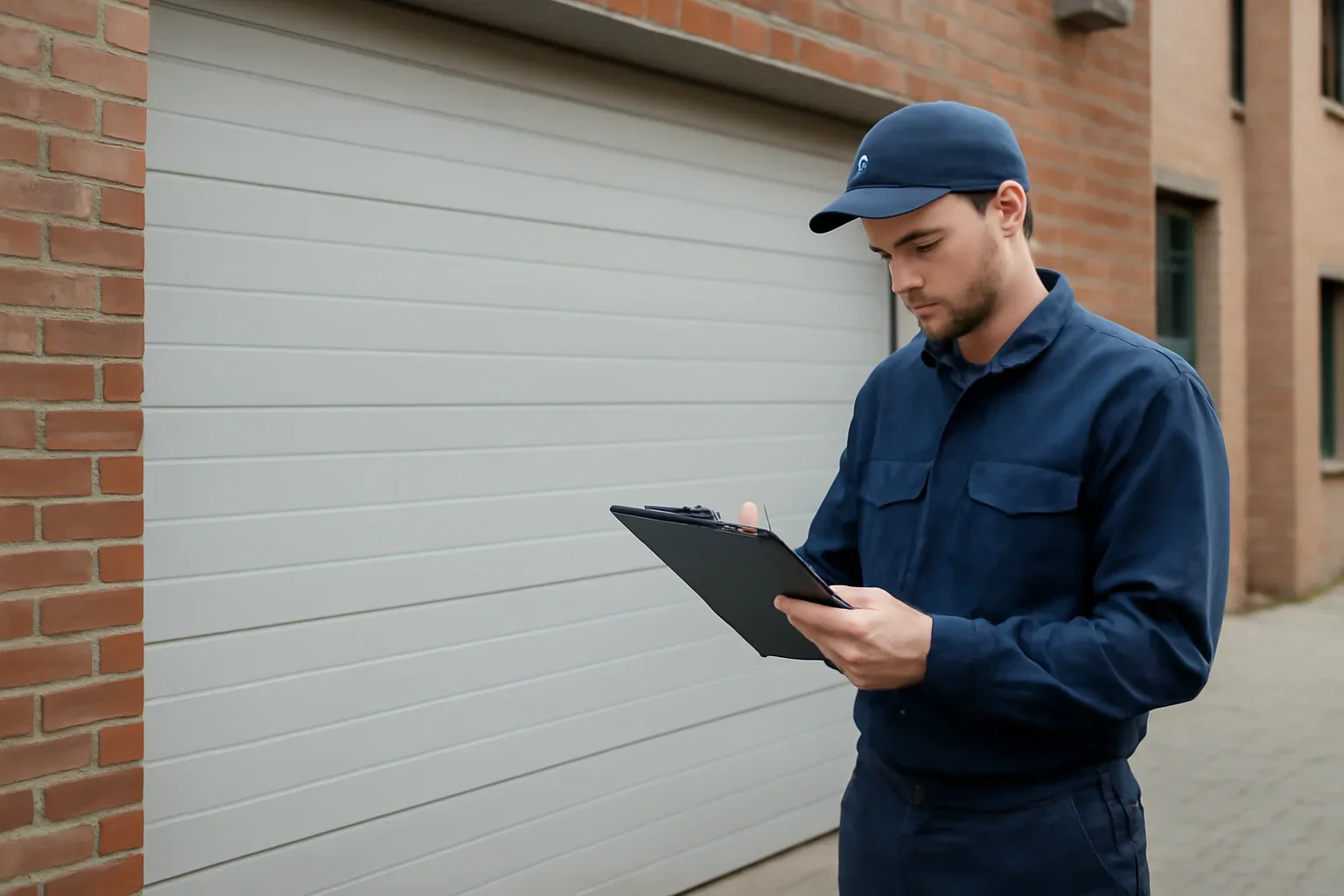
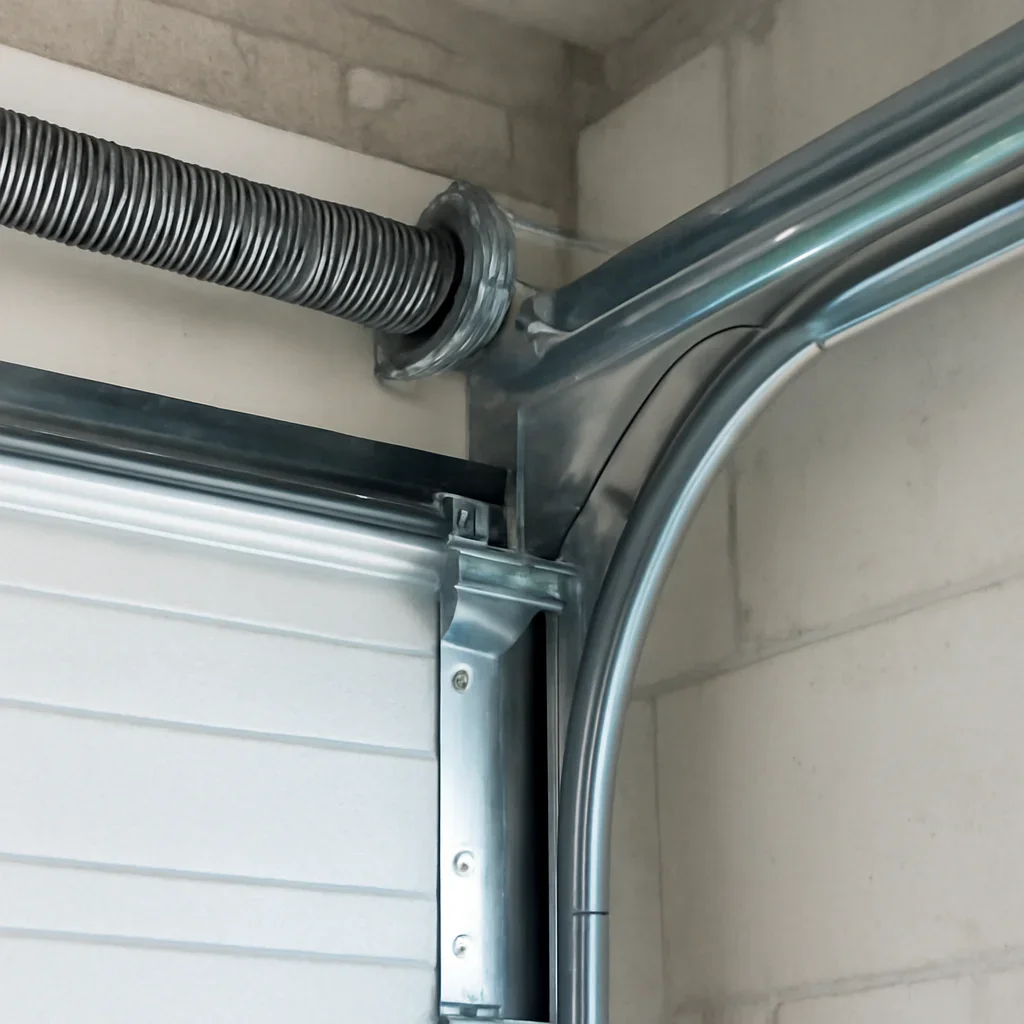
Guildford Town Centre is part of one of Surrey’s busiest commercial and residential areas. The surrounding district includes retail properties, restaurants, offices, medical and personal-service businesses, apartment and strata buildings, parking structures, storage areas, and mixed-use developments.
Commercial garage door problems here are often connected to back-of-house access rather than a public storefront. A failed door may affect deliveries, waste collection, stock movement, building maintenance, service vehicles, secure parking, or staff access.
High daily activity can also increase wear on springs, cables, rollers, hinges, controls, sensors, and openers. Even a minor symptom can become operationally urgent when several users depend on the same entrance.
For broader area information, visit Guildford Town Centre garage door services . For the main citywide service explanation, see Commercial Garage Door Repair in Surrey .
Provide an authorized site contact, loading or parking access instructions, door location, permitted service times, and any information needed to reach the affected entrance safely.
A commercial garage door should be assessed as one connected system. Replacing a visible damaged part without checking the cause can leave the door unreliable or unsafe.
A stuck door may stop deliveries, block parking, prevent equipment access, or leave a service area unsecured. The lift system, tracks, rollers, controls, and opener should be checked together.
Restore operational accessA commercial door that feels heavy, sits crooked, drops quickly, or moves only a short distance may have a spring, cable, drum, bracket, or balance problem.
Inspect the lift systemWall controls, remotes, keypads, receivers, loop controls, sensors, travel limits, or motors can interrupt access even when the visible door sections appear undamaged.
Test controls and safety devicesGrinding, scraping, shaking, popping, or uneven travel may indicate damaged tracks, worn rollers, loose hinges, poor alignment, or weakened fasteners.
Correct rough movementSensor trouble, track resistance, damaged seals, panel movement, travel-limit settings, or an obstruction can prevent dependable closing.
Restore secure closureRecurring failures, extensive damage, obsolete controls, severe corrosion, or an incorrectly matched opener may justify comparing another repair with replacement.
Compare long-term optionsDo not force, pull on, or repeatedly operate a crooked, hanging, off-track, or unusually heavy commercial door. Keep staff, customers, residents, and vehicles away from the opening until the system has been professionally assessed.
The objective is to identify the cause, minimize unnecessary downtime, explain the available repair path, and confirm safe operation before completion.
Identify whether the door affects deliveries, parking, customers, residents, staff, contractors, equipment, waste collection, or building security.
Springs, cables, drums, tracks, rollers, hinges, brackets, panels, seals, controls, sensors, and opener settings are reviewed.
The recommendation may involve a focused repair, broader hardware work, opener service, safety-control troubleshooting, or replacement planning.
Balance, travel, closing position, controls, opener response, auto-reverse behaviour, noise, and secure operation are checked.
The area’s combination of retail, offices, residential buildings, parking structures, and service properties creates several distinct commercial access needs.
Back-of-house doors may be used for stock, equipment, contractors, deliveries, cleaning, and facility maintenance.
A jammed overhead or roll-up door can delay scheduled deliveries and restrict movement between storage and receiving areas.
A shared entrance failure can affect many residents and may require coordination with strata managers, caretakers, or security staff.
Buildings with residential and commercial occupants may share parking, storage, delivery, or maintenance access.
Waste handling, supplies, equipment, and staff access may depend on a smaller service or overhead door.
Repeated opening throughout the day can accelerate wear on springs, rollers, controls, sensors, tracks, and opener components.
You do not need to identify the failed component. Describe the symptom, door location, property use, access conditions, and business impact.
Use this guide to describe the problem accurately when requesting service in Guildford Town Centre.
| What you notice | What may be involved | Recommended next step |
|---|---|---|
| Door is heavy, crooked, or drops too quickly | Spring, cable, drum, bracket, or balance failure | Stop using the opener and arrange a diagnostic inspection. |
| Motor runs but the door barely moves | Opener strain, drive trouble, poor balance, or mechanical resistance | Avoid repeatedly activating the opener and describe the sound and movement when booking. |
| Door reverses or will not close completely | Sensor alignment, obstruction, travel limits, seal resistance, or track trouble | Remove visible obstructions without touching lift components, then request troubleshooting. |
| Door shakes, scrapes, grinds, or pops | Rollers, hinges, tracks, fasteners, or alignment | Arrange service before repeated operation damages panels or additional hardware. |
| Door is open and will not secure the property | Lift-system failure, track damage, opener fault, or damaged closing components | Treat the issue as an access and security concern when booking. |
| The same failure keeps returning | Aging components, structural damage, poor opener match, or an outdated system | Compare repair cost with replacement and future maintenance. |
These related pages can help you compare opener, spring, and installation needs before requesting service.
Relevant for failed motors, controls, remotes, keypads, receivers, sensors, travel limits, weak movement, and unexpected reversing.
View opener repair 02Relevant for heavy doors, sudden failure, crooked movement, broken spring symptoms, loose cables, or doors an opener cannot lift safely.
View spring repair 03Relevant when an existing door is extensively damaged, outdated, insecure, repeatedly failing, or unsuitable for the property’s access requirements.
View installationThese answers can help Guildford Town Centre businesses, strata contacts, facility teams, and property managers decide what to do next.
Commercial repair may be appropriate when the door serves a loading area, retail service entrance, shared parking structure, mixed-use property, storage area, maintenance space, or another frequently used access point and is stuck, heavy, crooked, noisy, damaged, insecure, or not responding correctly.
The area may include sectional overhead doors, roll-up service doors, shared parking doors, loading-area doors, storage entrances, and commercial-style doors serving retail, office, restaurant, strata, and mixed-use properties.
Same-day availability depends on technician routing, scheduling, required parts, site access, permitted service times, and the urgency of the problem. Clearly explain whether access or security is affected.
No. A heavy or crooked door may have spring, cable, drum, track, or balance trouble. Repeated operation can strain the opener and increase damage.
Provide the address, authorized contact, door location, exact symptom, access instructions, permitted service times, approximate door size, and whether deliveries, staff, residents, customers, parking, or security are affected.
Scheduling options depend on technician availability and the repair required. Provide operating, delivery, loading, parking, or security constraints when requesting the appointment.
Replacement may be worth comparing when the door has repeated failures, extensive damage, obsolete controls, poor sealing, severe corrosion, ongoing opener strain, or repair costs that are becoming difficult to justify.
Visit the garage door pricing guidance page to understand the factors that may affect repair, opener, spring, installation, and replacement costs.
Start with the symptom rather than trying to identify the failed component. Explain whether the door is stuck, heavy, crooked, noisy, damaged, reversing, or unsafe, and whether the problem affects deliveries, parking, staff, residents, customers, stock, vehicles, or property security.