Door stuck open or closed
A stuck door can block parking, deliveries, storage, a work vehicle, or a service entrance. The inspection checks the lift system, tracks, rollers, cables, spring balance, and opener response.
Restore safe access
A failed commercial garage door can block a service entrance, interrupt a delivery, trap a work vehicle, or leave equipment and stored property exposed. Surrey Garage Door helps Fleetwood Town Centre businesses, strata representatives, landlords, property managers, and owners identify the problem and choose a practical repair path.
If an overhead, sectional, roll-up, or commercial-style garage door in Fleetwood Town Centre is heavy, jammed, uneven, unusually loud, or unable to close securely, stop forcing it. When booking, describe the property type, door type, current door position, exact symptom, and whether vehicles, staff, tenants, deliveries, customers, or stored property are affected.
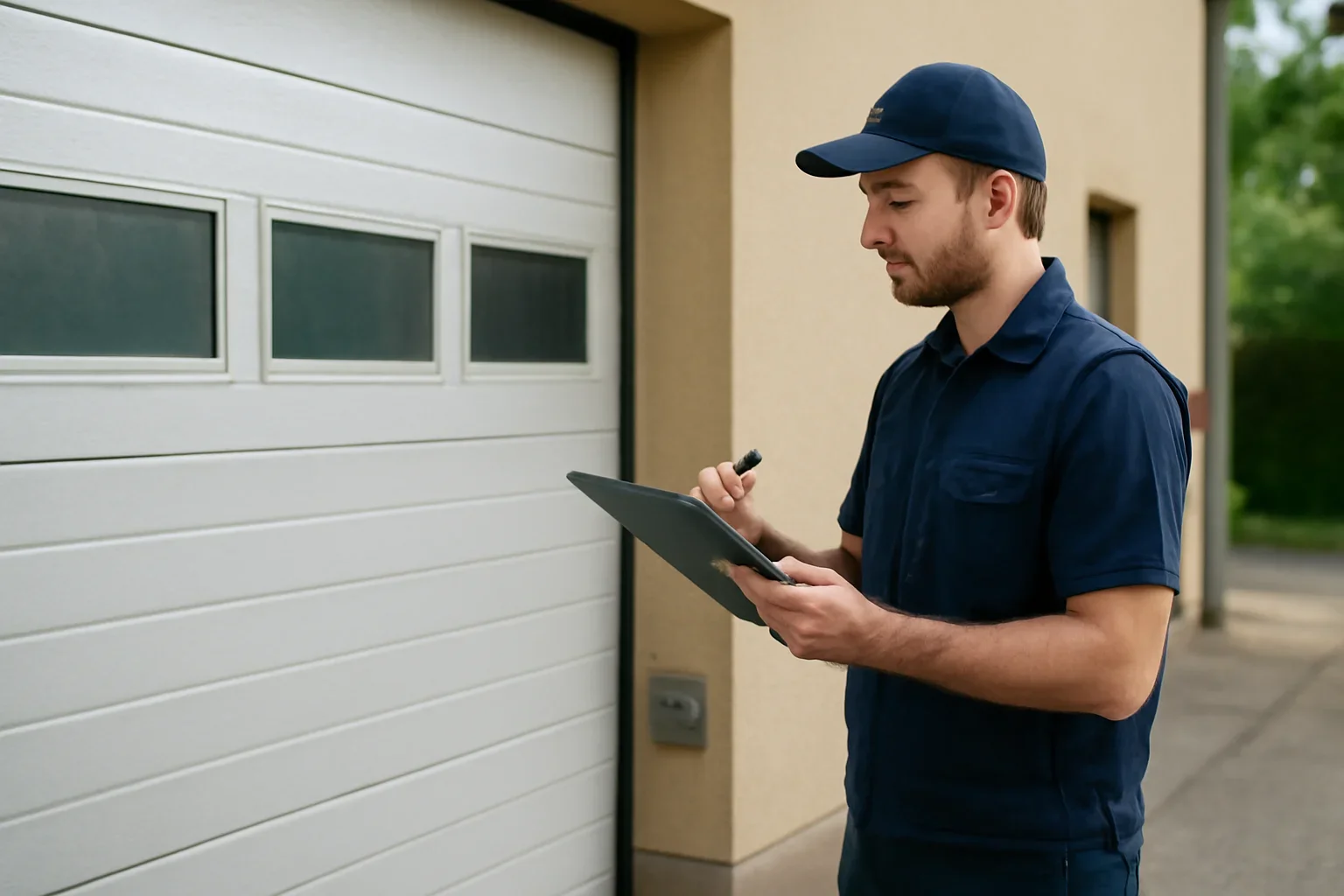
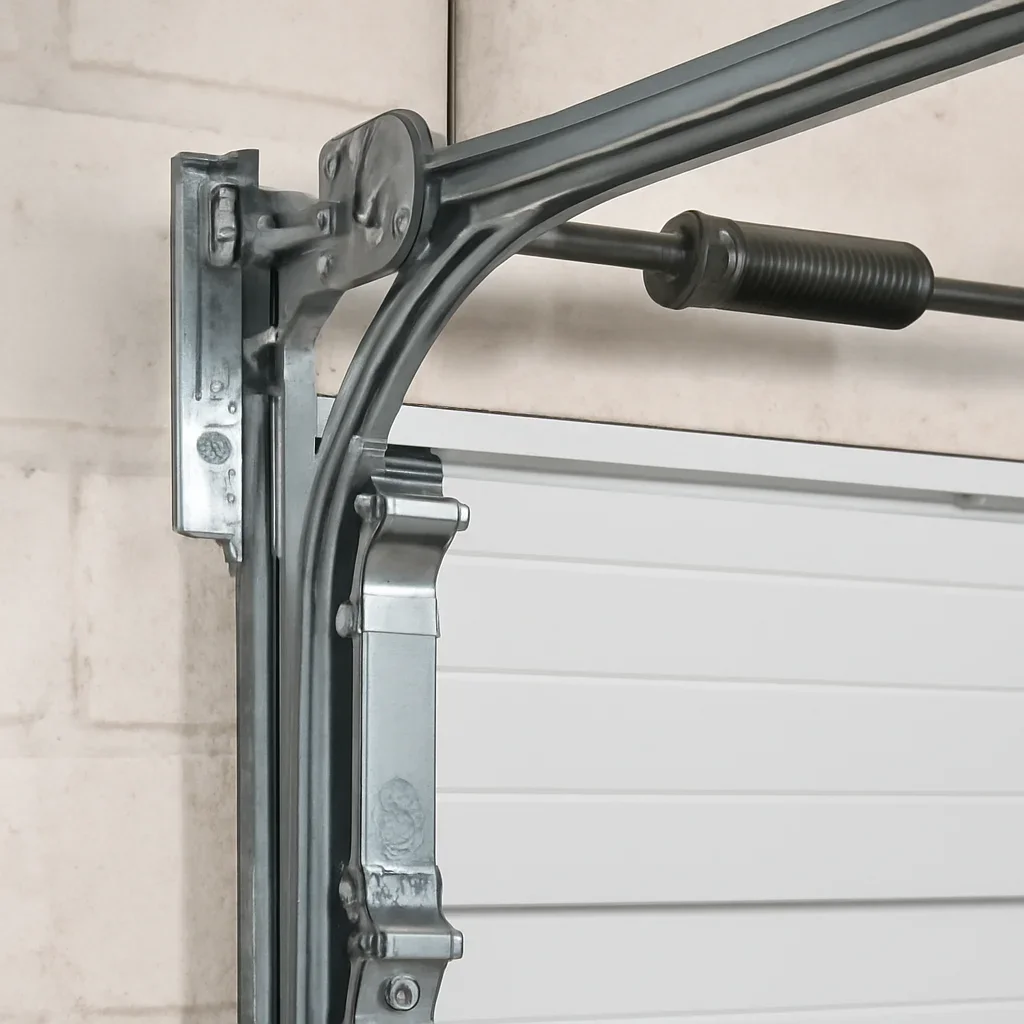
Fleetwood remains largely residential, but its town-centre area also supports a growing mix of neighbourhood businesses, services, commercial properties, strata developments, and shared-access buildings. Planning around Fraser Highway is expected to bring additional density and more mixed-use activity over time.
Garage door service in this setting is different from work in a large industrial park. A call may involve a smaller commercial unit, rear service entrance, mixed-use building, shared parking garage, storage area, workshop-style space, contractor vehicle, or a commercial-style door attached to a residential property.
A door that appears to have an opener problem may instead be unbalanced, binding in the tracks, carrying worn rollers, or placing too much load on the motor. A complete inspection is more useful than replacing the first part that appears faulty.
For broader neighbourhood information, visit Fleetwood Town Centre garage door services . For the citywide service overview, see Commercial Garage Door Repair in Surrey .
A commercial garage door is a connected system. The door, lifting hardware, tracks, opener, controls, seals, and safety devices should be assessed together before parts are recommended.
A stuck door can block parking, deliveries, storage, a work vehicle, or a service entrance. The inspection checks the lift system, tracks, rollers, cables, spring balance, and opener response.
Restore safe accessA door that drops, rises unevenly, feels unusually heavy, or hangs crooked may have a spring, cable, drum, bracket, track, or balance problem.
Check the lift systemRemotes, keypads, wall controls, receivers, sensors, travel limits, wiring, and the opener motor can all affect reliable entry and secure closing.
Test controls and safetyScraping, shaking, grinding, binding, and rough travel may indicate alignment trouble or worn hardware. Early service can help prevent additional track or panel damage.
Correct rough movementWater, daylight, pests, cold air, or debris entering around the door may point to worn seals, poor alignment, damaged sections, or uneven floor contact.
Improve secure closureIf the door has repeated failures, damaged sections, poor sealing, outdated hardware, or ongoing opener strain, comparing repair and replacement may provide better long-term value.
Avoid repeated spendingDo not keep pressing the opener or try to lift a heavy, crooked, hanging, or off-track door. Loose cables, damaged springs, unstable sections, and failed brackets can move unexpectedly and should be assessed before the door is used again.
The objective is to restore reliable access while explaining the cause, immediate risks, available repair options, and signs of wider system wear.
We start with the door position, property type, exact symptom, and whether staff, vehicles, tenants, customers, deliveries, parking, or building security are affected.
Springs, cables, drums, tracks, rollers, hinges, panels, brackets, seals, opener settings, controls, sensors, and safety functions are reviewed together.
The recommendation should clarify what failed, what needs immediate attention, and whether related wear should be addressed during the same visit.
Door balance, travel, secure closing, opener response, controls, sensors, and safety reversal are checked after the approved work.
Fleetwood is one of Surrey’s growing town-centre communities, with much of its existing development made up of homes and neighbourhood-serving businesses. The Fraser Highway corridor is also being planned for long-term change as rapid transit and new development reshape how people live, work, shop, and move through the area.
For garage door service, this means calls can come from both established properties and newer mixed-use settings. One door may serve a small business or rear service area, while another may control access to shared parking, storage, a contractor vehicle, or a garage used by several occupants.
The repair decision should account for how often the door cycles, who depends on it, its weight and construction, the opener capacity, available clearance, hardware condition, and the cost of losing access.
A rear door or service entrance may support deliveries, equipment, stock movement, storage, or employee access.
One failed door can affect residents, tenants, commercial users, parking access, and property security at the same time.
Frequent cycling can increase wear on controls, sensors, openers, rollers, springs, and other moving components.
A door stuck closed may trap a vehicle or equipment needed for scheduled work elsewhere in Surrey.
Heavier insulated sections require correct spring balance and an opener properly matched to the door.
Rain, drafts, debris, visible gaps, or pests may indicate worn seals, alignment trouble, or uneven closing.
You do not need to identify the failed component. A clear description of the property, door, and symptom is more useful than guessing.
Use the visible symptom to explain the problem clearly. A technician can then inspect the complete system rather than relying on an assumed diagnosis.
| What you notice | What may be involved | Recommended next step |
|---|---|---|
| Door is heavy, crooked, or drops quickly | Spring, cable, drum, bracket, or balance problem | Stop using the opener and request a diagnostic inspection. |
| Opener runs but the door barely moves | Opener strain, trolley trouble, poor balance, or mechanical resistance | Avoid repeated attempts and explain whether the door can move manually. |
| Door reverses or will not close completely | Sensor alignment, obstruction, travel setting, track resistance, or seal pressure | Check for a visible obstruction, then request opener and safety-device troubleshooting. |
| Door shakes, scrapes, grinds, or binds | Roller, hinge, track, bracket, or alignment wear | Book service before rough movement damages additional parts. |
| Remote, keypad, or access control is unreliable | Battery, programming, signal, receiver, wiring, control, sensor, or opener problem | Share which controls work and whether the wall control still operates the door. |
| Water, drafts, pests, or daylight enter around the door | Worn seals, uneven floor contact, damaged sections, or poor alignment | Request a seal and closing-position inspection. |
| The same problem continues to return | Aging components, mismatched opener, structural wear, or an outdated system | Compare the expected cost and service life of repair versus replacement. |
A commercial door problem may begin with one symptom but ultimately require opener work, spring repair, or replacement planning.
For failed remotes, keypads, wall controls, sensors, motors, travel settings, access controls, unusual opener noise, and doors that stop or reverse.
View opener repair 02For heavy doors, sudden failure, uneven travel, broken-spring symptoms, loose cables, or doors the opener can no longer lift safely.
View spring repair 03For doors that are badly damaged, repeatedly failing, poorly sealed, outdated, or no longer suitable for the property’s access and security needs.
View installationThese answers help Fleetwood Town Centre businesses, landlords, strata representatives, property managers, and owners decide what to do when a garage door affects access, safety, or security.
Commercial repair may be appropriate when a business, mixed-use property, shared parking garage, storage area, service entrance, workshop, rental building, or frequently used garage has a door that is stuck, heavy, crooked, noisy, damaged, off track, or unable to close securely.
Same-day appointments may be available depending on technician scheduling, routing, required parts, and the urgency of the problem. Clearly state whether the door is blocking access, interrupting operations, or leaving the property unsecured.
Urgent service requests can be made when a door is stuck open, blocking essential access, hanging unsafely, off track, or unable to secure the property. Availability and response timing depend on current routing and the nature of the issue.
No. A heavy or crooked door may have a spring, cable, drum, track, or balance problem. Continuing to use the opener can place additional strain on the motor and may damage other components.
Yes. Controls, sensors, programming, wiring, receivers, travel settings, and opener components can stop a door from operating even when the panels appear normal. Door balance and mechanical movement should still be checked.
Shared doors may cycle more frequently and affect more people when they fail. Controls, remotes, sensors, safety reversal, opener capacity, spring balance, and reliable secure closing are especially important.
Repair may make sense when the fault is isolated and the door is otherwise structurally sound, balanced, and suitable for its use. Replacement may offer better value when there are repeated failures, major section damage, poor sealing, outdated hardware, or ongoing opener strain.
Share the Fleetwood Town Centre property location, property type, door type, current door position, exact symptom, how long the problem has existed, and whether staff, vehicles, tenants, customers, deliveries, stock, equipment, or security are affected.
Visit the pricing guidance page to review common factors that can affect repair, opener work, maintenance, installation, and replacement costs.
Start with the symptom rather than trying to identify the failed part. Explain whether the door is stuck, heavy, noisy, crooked, damaged, reversing, leaking, or not responding, along with the effect on access, parking, vehicles, staff, tenants, customers, deliveries, stored property, or security.