Door stuck open or closed
A stuck door can block vehicles, prevent access, expose stored items, or leave a shared entrance unsecured. Springs, cables, tracks, rollers, controls, and opener response should be checked together.
Restore safe access
When a commercial-style garage door stops working in East Clayton, the result can be more than an inconvenience. A stuck or unsafe door may block a shared parking entrance, interrupt access to a service area, expose stored equipment, delay property maintenance, or prevent a vehicle from leaving when it is needed.
If the door is heavy, uneven, jammed, making harsh noises, failing to close securely, or no longer responding to its opener, stop forcing it. Share the door position, exact symptom, property type, and whether access or security is affected so the repair request can be prioritized correctly.

East Clayton developed from former rural and acreage land into a compact urban neighbourhood north of Fraser Highway near the Township of Langley. It is primarily residential, so commercial garage door repair here does not always mean a large warehouse or industrial loading dock.
Local service calls may involve shared strata parking, mixed-use properties, neighbourhood retail or office space, property-management storage, small workshops, service garages, common access doors, and commercial-style doors installed at residential or rental properties.
Rear-lane access, closely spaced buildings, shared driveways, frequent daily cycles, and limited room around the opening can all affect how a technician approaches the inspection and repair.
For a broader neighbourhood overview, visit East Clayton garage door services. For citywide commercial service information, see Commercial Garage Door Repair in Surrey.
Describe the property, door size, frequency of use, and who relies on the entrance. The repair path should be based on the actual door system rather than the property label alone.
A commercial garage door operates as one connected system. The inspection should look beyond the most visible symptom and determine what is causing the failure.
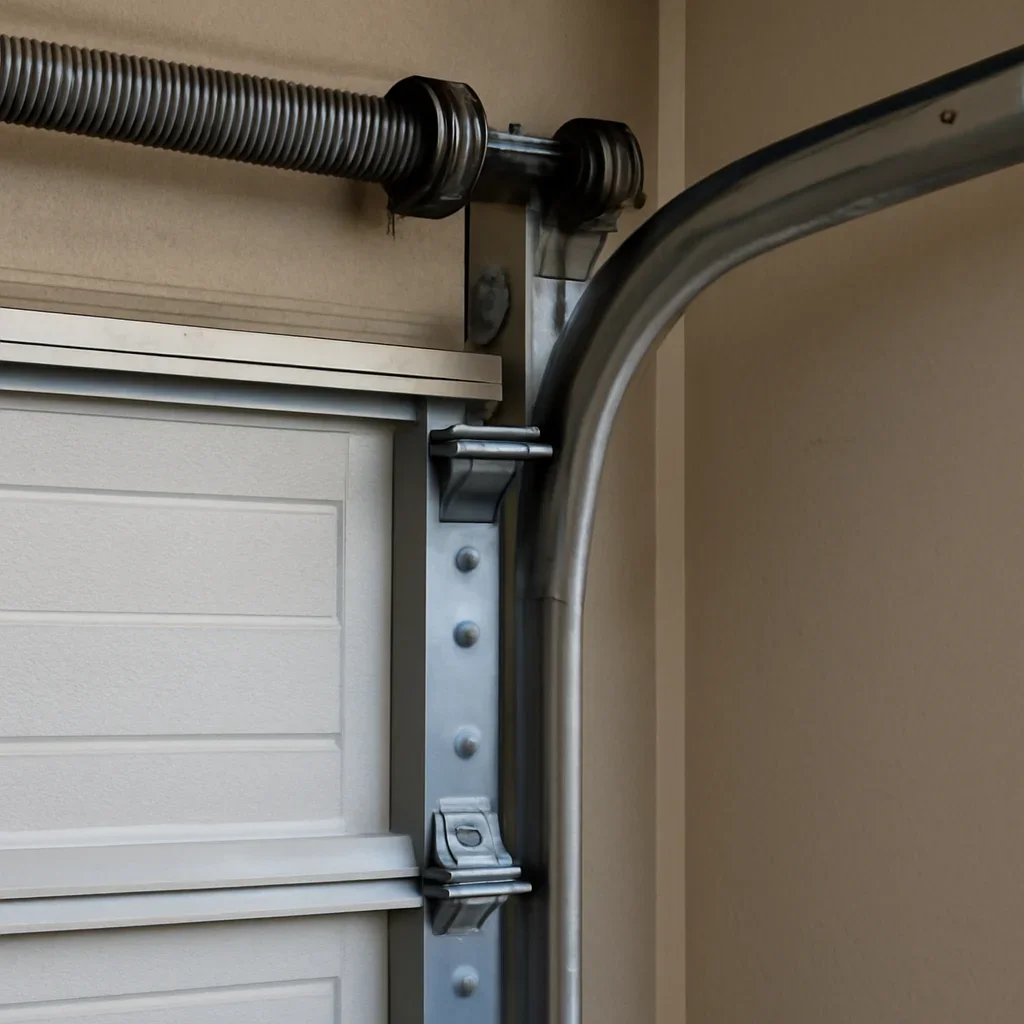
A stuck door can block vehicles, prevent access, expose stored items, or leave a shared entrance unsecured. Springs, cables, tracks, rollers, controls, and opener response should be checked together.
Restore safe accessA door that feels unusually heavy, rises unevenly, drops quickly, or moves only a few inches may have a lift-system problem. The opener should not be used to force a heavy door.
Check the lift systemFailed remotes, keypads, wall controls, sensors, travel limits, motors, or receiver settings can interrupt access even when the door itself appears undamaged.
Test controls and safety devicesScraping, shaking, grinding, popping, and uneven movement can indicate worn hardware or alignment trouble. Early repair can help prevent damage to panels and lift components.
Correct rough movementDaylight, water, drafts, pests, or debris entering around the door can point to worn seals, uneven floor contact, damaged sections, or a door that is no longer closing squarely.
Improve closure and protectionRecurring breakdowns, extensive panel damage, major corrosion, poor insulation, or opener strain may make replacement more practical than continuing to repair an aging system.
Compare long-term optionsDo not stand beneath, pull on, or repeatedly operate a crooked, hanging, off-track, or unusually heavy door. If a cable appears loose or the door cannot support its own weight, keep people away from the opening and request professional service.
The goal is to restore dependable access without guessing, replacing unnecessary parts, or overlooking a related safety problem.
Explain whether the door is open, closed, jammed, crooked, noisy, damaged, or blocking a vehicle, tenant, staff member, customer, or service area.
Review springs, cables, drums, tracks, rollers, hinges, brackets, panels, seals, opener controls, travel settings, and safety devices.
Identify the root cause and clarify whether a focused repair, broader hardware work, opener service, or replacement comparison makes the most sense.
Check balance, travel, closing position, opener response, auto-reverse behaviour, controls, and secure operation after the approved work is complete.
East Clayton is not a traditional heavy-industrial district. Commercial repair needs are more likely to be connected to shared access, mixed-use properties, property management, small businesses, and high-cycle door use.
The property type changes the repair priority. A door serving several users or securing a common entrance usually requires a different response than a door used only a few times each week.
Shared entrances place more cycles on openers, springs, rollers, and controls while making downtime disruptive to several users at once.
Narrow lanes, parked vehicles, bins, and limited working room can affect technician access and should be mentioned when booking.
A single building may combine residential parking with commercial, storage, office, or service access that depends on reliable door operation.
Rental, maintenance, and common-property doors may require clear coordination with managers, tenants, owners, or authorized site contacts.
Tools, supplies, work vehicles, inventory, and equipment can be exposed when a garage or overhead door will not close securely.
Continued neighbourhood growth and mixed-use development increase the importance of dependable access systems and planned maintenance.
You do not need to diagnose the failed component. A clear description of what the door is doing is usually more helpful than guessing which part is broken.
This guide can help you describe the problem accurately when requesting East Clayton garage door service.
| What you notice | What may be involved | Recommended next step |
|---|---|---|
| Door is heavy, crooked, or drops too quickly | Spring, cable, drum, bracket, or balance failure | Stop using the opener and arrange a diagnostic inspection. |
| Motor runs or hums, but the door barely moves | Opener strain, trolley trouble, poor balance, or mechanical resistance | Do not repeatedly activate the opener. Describe any movement or sound when booking. |
| Door reverses or will not close completely | Sensor alignment, obstruction, travel limits, seal resistance, or track trouble | Remove visible obstructions without touching lift parts, then request troubleshooting. |
| Door shakes, scrapes, grinds, or pops | Rollers, hinges, tracks, fasteners, or alignment | Book service before repeated operation damages panels or additional hardware. |
| Water, air, pests, or debris enter around the door | Bottom seal wear, side gaps, floor contact, panel damage, or poor alignment | Request an inspection of seals, closing position, and the lower door section. |
| The same problems keep returning | Aging hardware, poor opener match, structural damage, or an outdated door | Compare the next repair cost with replacement and future maintenance needs. |
These local pages can help you compare opener, spring, and installation needs before requesting service.
Relevant for failed remotes, wall controls, keypads, motors, sensors, travel settings, weak movement, and doors that reverse unexpectedly.
View opener repair 02Relevant for heavy doors, sudden failure, crooked movement, visible spring trouble, loose cables, or doors the opener can no longer lift safely.
View spring repair 03Relevant when a door is extensively damaged, poorly sealed, outdated, repeatedly failing, or no longer suitable for the property and frequency of use.
View installationThese answers can help East Clayton property owners, managers, strata contacts, and businesses decide what to do next.
You may need commercial garage door repair if the door serves a business, shared entrance, mixed-use property, strata garage, service area, storage space, or other high-use access point and is stuck, heavy, crooked, noisy, damaged, insecure, or not responding correctly.
East Clayton is primarily a compact residential neighbourhood. Commercial-style garage doors may still serve mixed-use properties, strata parking entrances, neighbourhood businesses, storage areas, shared garages, service spaces, and property-management facilities.
Same-day appointments may be available depending on technician routing, schedule, required parts, site access, and the urgency of the problem. Clearly state whether the door is blocking access or leaving the property unsecured.
No. A heavy or crooked door may have spring, cable, drum, track, or balance trouble. Repeatedly using the opener can place additional strain on the motor and may cause more damage.
Provide the East Clayton address, property type, authorized site contact, door position, exact symptom, access instructions, approximate door size, and whether tenants, staff, vehicles, deliveries, or property security are affected.
Replacement may be worth comparing when the door has repeated failures, extensive panel damage, poor sealing, major corrosion, obsolete components, ongoing opener strain, or repair costs that are becoming difficult to justify.
Visit the garage door pricing guidance page to understand the factors that may affect repair, opener, spring, maintenance, installation, and replacement costs.
Start with the symptom rather than trying to identify the failed part. Explain whether the door is stuck, heavy, crooked, noisy, damaged, slow, leaking, reversing, or unsafe, and whether the problem is affecting access, security, tenants, vehicles, or business operations.
