Door stuck open or closed
A stuck door may block parking, service access, stored vehicles, staff movement, or deliveries. The inspection checks the lift system, tracks, rollers, cables, spring balance, and opener response.
Restore safe access
A failed overhead or commercial-style garage door can block a vehicle, interrupt a delivery, expose stored equipment, or prevent a property from closing securely. Surrey Garage Door helps Douglas property managers, small businesses, strata representatives, landlords, and owners identify the fault and choose a practical repair path.
If a commercial or shared-access garage door in Douglas is heavy, uneven, jammed, unusually loud, or unable to close securely, stop forcing it. When booking, explain the door type, its current position, the exact symptom, and whether vehicles, staff, tenants, deliveries, or stored property are affected.
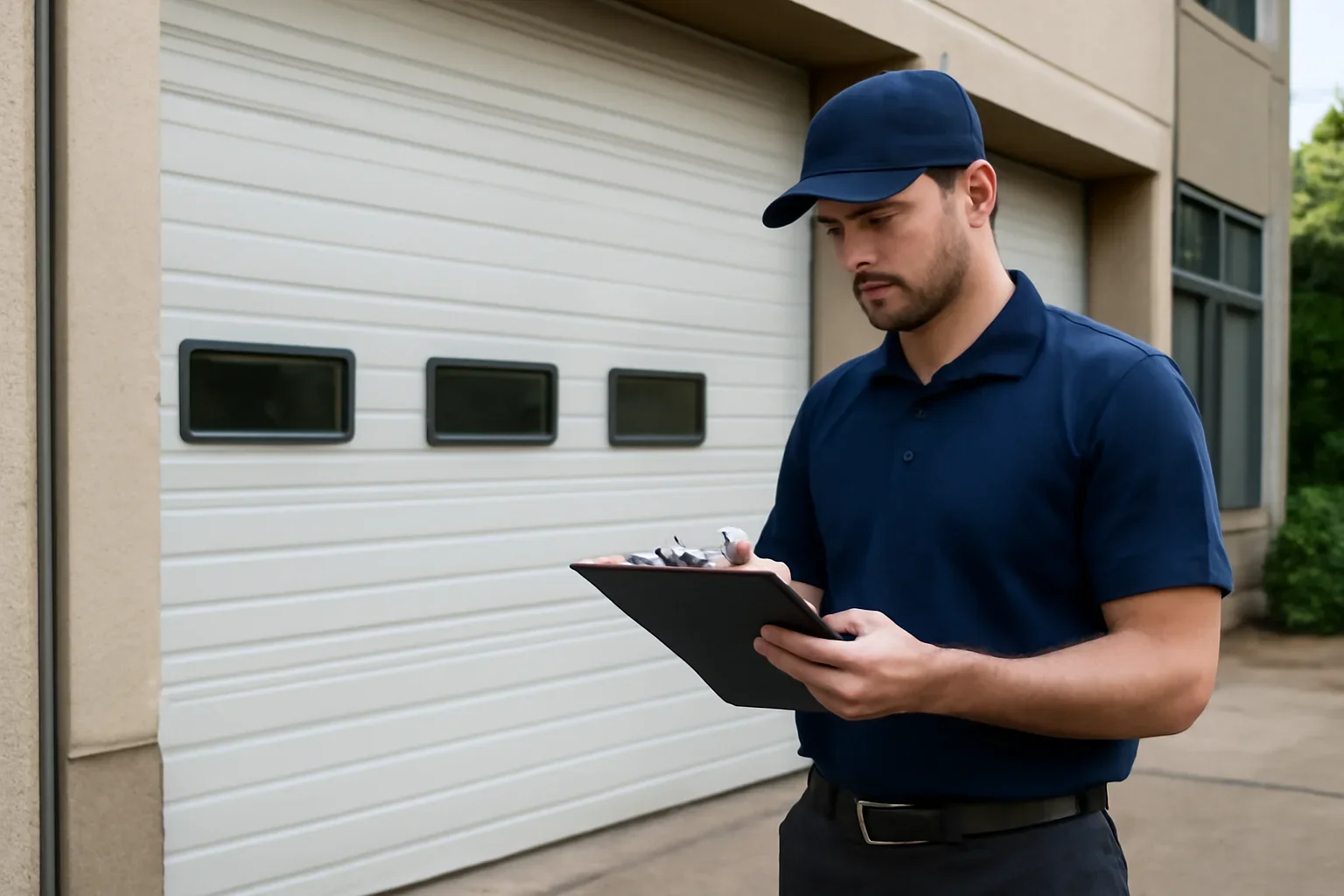
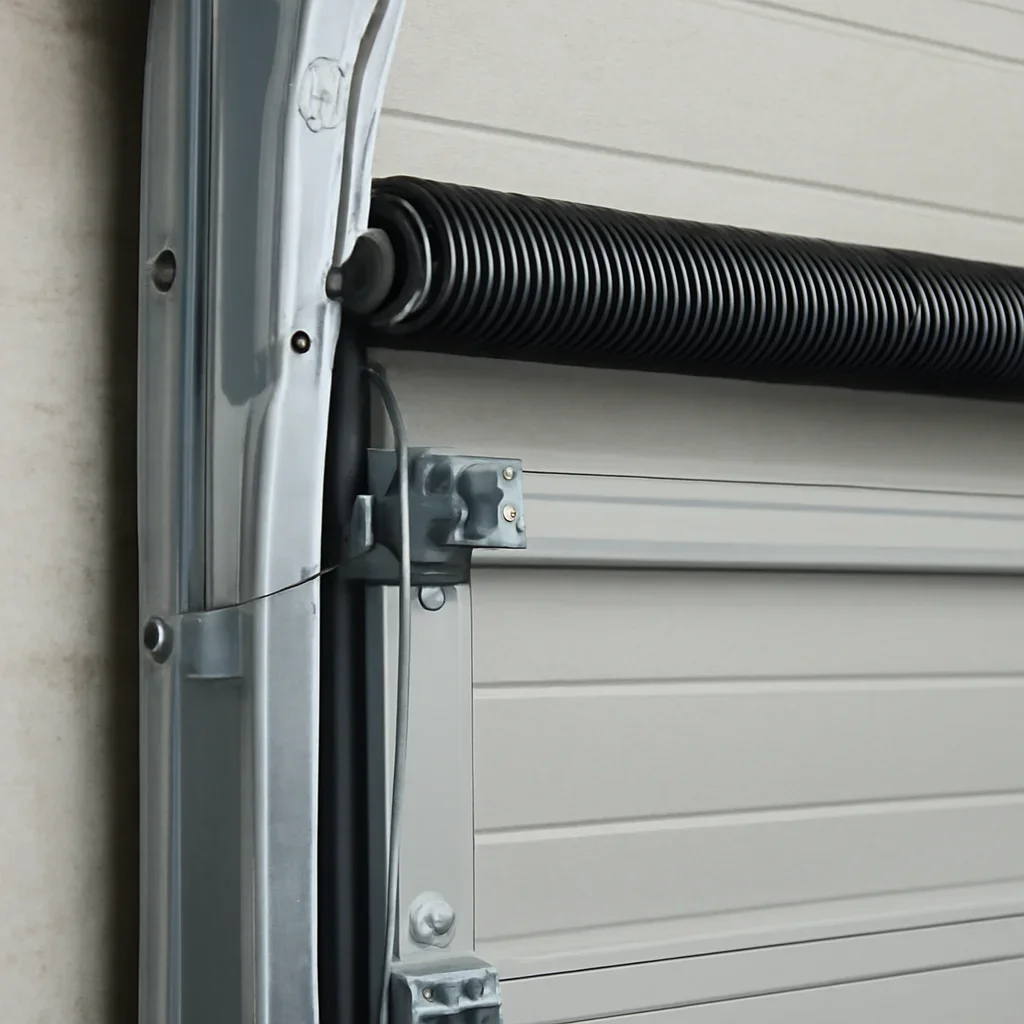
Douglas sits at the southern edge of Surrey between the Peace Arch and Pacific border crossings. The neighbourhood is mainly residential, with smaller commercial areas and properties that may depend on garages for secure parking, storage, service access, shared vehicle entry, or day-to-day business use.
That local setting creates a different repair profile from a large warehouse district. Calls may involve a small commercial unit, a mixed-use property, a strata or rental garage, a workshop-style space, a shared access door, or an insulated sectional door used frequently throughout the day.
A newer-looking door can still develop problems when balance, opener settings, sensors, rollers, seals, or spring tension are not working together correctly. The inspection should focus on the complete system rather than assuming the opener is the only issue.
For broader neighbourhood information, visit Douglas garage door services . For the citywide service overview, see Commercial Garage Door Repair in Surrey .
A visible symptom does not always identify the failed part. The door, lifting system, hardware, opener, controls, seals, and safety devices should be assessed together.
A stuck door may block parking, service access, stored vehicles, staff movement, or deliveries. The inspection checks the lift system, tracks, rollers, cables, spring balance, and opener response.
Restore safe accessA door that feels unusually heavy, drops, rises unevenly, or hangs crooked may have a spring, cable, drum, bracket, track, or balance problem.
Check the lift systemRemotes, keypads, wall controls, sensors, travel settings, wiring, and the opener motor can all affect access even when the door itself appears undamaged.
Test controls and safetyScraping, shaking, grinding, binding, and rough travel can indicate alignment trouble or worn hardware. Early repair may prevent panel, track, and lift-system damage.
Correct rough movementWater, daylight, cold air, pests, or debris entering around the door may point to worn seals, poor alignment, damaged sections, or uneven contact with the floor.
Improve secure closureIf the system has repeated failures, damaged sections, poor sealing, outdated hardware, or ongoing opener strain, comparing repair and replacement may prevent repeated spending.
Choose long-term valueDo not keep pressing the opener or try to lift a heavy, crooked, hanging, or off-track door. Loose cables, damaged springs, and unstable sections can move unexpectedly and should be assessed before the door is used again.
The goal is to restore reliable access while explaining the cause, repair options, safety concerns, and any signs of broader system wear.
We start with the door position, property type, exact symptom, and whether access, security, staff, tenants, vehicles, or deliveries are affected.
Springs, cables, drums, tracks, rollers, hinges, panels, brackets, seals, opener settings, controls, sensors, and safety functions are reviewed together.
The recommended path should clarify what failed, what needs immediate attention, and whether other worn components should be addressed at the same time.
Door balance, travel, secure closing, opener response, controls, safety reversal, sensors, and general movement are checked after the approved work.
Douglas is not dominated by large warehouses. Its commercial garage door needs are more likely to involve smaller commercial nodes, shared-access properties, strata or rental parking, local service spaces, storage areas, workshops, and garages supporting home-based or mobile operations.
In these settings, a door failure can still have a serious impact. One vehicle may be trapped, a work schedule may be delayed, tools or stock may be exposed, or several occupants may lose access through a shared entrance.
The right repair depends on how the door is used, how frequently it cycles, its weight and construction, the condition of the opener, and whether the problem is isolated or part of wider wear.
A service entrance or storage door needs dependable opening and secure closing without unnecessary operational delay.
Frequent cycling can increase wear on openers, remotes, sensors, rollers, springs, and other moving hardware.
Heavier door sections require correct spring balance and an opener properly matched to the door.
A door stuck closed can trap essential vehicles, while a door stuck open can expose tools, equipment, or belongings.
The fault may involve programming, signal issues, controls, sensors, wiring, travel settings, or the opener itself.
Rain, drafts, debris, pests, or visible gaps may indicate worn seals, uneven closing, alignment trouble, or damaged sections.
You do not need to diagnose the failed part. A clear description of the door and its behaviour is more useful than guessing.
Use the visible symptom to describe the issue clearly. A technician can then inspect the system instead of relying on an assumed diagnosis.
| What you notice | What may be involved | Recommended next step |
|---|---|---|
| Door is heavy, crooked, or drops quickly | Spring, cable, drum, bracket, or balance problem | Stop using the opener and request a diagnostic inspection. |
| Opener runs but the door barely moves | Opener strain, trolley trouble, poor balance, or mechanical resistance | Avoid repeated attempts and explain whether the door moves manually. |
| Door reverses or will not close completely | Sensor alignment, obstruction, travel setting, track resistance, or seal pressure | Check for a visible obstruction, then request opener and safety-device troubleshooting. |
| Door shakes, scrapes, grinds, or binds | Roller, hinge, track, bracket, or alignment wear | Book service before rough movement damages additional parts. |
| Remote or keypad works inconsistently | Battery, programming, signal, receiver, wiring, control, or opener problem | Share which controls work and whether the wall button still operates the door. |
| Water, drafts, pests, or daylight enter around the door | Worn seals, uneven floor contact, damaged sections, or poor alignment | Request a seal and closing-position inspection. |
| The same problems keep returning | Aging components, mismatched opener, structural wear, or an outdated system | Compare the cost and expected life of repair versus replacement. |
A commercial door problem may begin with one symptom but ultimately require opener work, spring repair, or replacement planning.
For failed remotes, keypads, wall controls, sensors, motors, travel settings, unusual opener noise, and doors that stop or reverse.
View opener repair 02For heavy doors, sudden failure, uneven travel, broken-spring symptoms, loose cables, or doors the opener can no longer lift.
View spring repair 03For doors that are badly damaged, poorly sealed, repeatedly failing, outdated, or no longer suitable for the property’s access needs.
View installationThese answers help Douglas owners, businesses, landlords, strata representatives, and property managers decide what to do when a garage door affects access or security.
Commercial repair may be appropriate when a business, shared property, rental building, storage area, workshop, service space, or frequently used garage has a door that is stuck, heavy, crooked, noisy, damaged, off track, or unable to close securely. Describe the property use and exact symptom when booking.
Same-day appointments may be available depending on scheduling, technician routing, required parts, and the urgency of the problem. Clearly state whether the door is blocking access, exposing the property, or creating a safety concern.
Urgent service requests can be made when a door is stuck open, blocking essential access, hanging unsafely, off track, or unable to secure the property. Availability and response timing depend on current routing and the nature of the issue.
No. A heavy or crooked door may have a spring, cable, drum, track, or balance problem. Continuing to use the opener can place additional strain on the motor and may damage other components.
Yes. Controls, sensors, programming, wiring, travel settings, and opener components can stop a door from operating even when the door panels appear normal. The door balance and mechanical movement should still be checked before assuming the opener is the only issue.
Repair may make sense when the fault is isolated and the door is otherwise structurally sound, balanced, and suitable for its use. Replacement may offer better value when there are repeated failures, major section damage, poor sealing, outdated hardware, or ongoing opener strain.
Share the Douglas property location, property type, door type, current door position, exact symptom, how long the problem has existed, and whether vehicles, staff, tenants, customers, deliveries, stored items, or property security are affected.
Visit the pricing guidance page to review common factors that can affect repair, opener work, maintenance, installation, and replacement costs.
Start with the symptom rather than trying to identify the failed part. Explain whether the door is stuck, heavy, noisy, crooked, damaged, reversing, leaking, or not responding, along with the effect on access, vehicles, tenants, staff, deliveries, or security.