Door stuck open or closed
A stuck door can block parking or storage access, trap a vehicle, interrupt property use, or leave equipment and belongings exposed.
Restore access without forcing the door
Surrey Garage Door helps Crescent Beach business owners, landlords, property managers, strata representatives, and local operators address commercial or commercial-style doors that are stuck, noisy, uneven, corroded, damaged, unsecured, or no longer responding correctly.
Crescent Beach is primarily a coastal residential community with a smaller local business presence. Relevant service calls may involve local shops, managed properties, shared parking, detached storage buildings, workshops, rental garages, and larger openings exposed to regular coastal moisture.
If a Crescent Beach door is stuck open, unusually heavy, crooked, hanging, visibly rusted, or showing a loose cable, stop forcing it. Share the property type, current door position, visible corrosion, exact symptom, and whether access or security is affected.

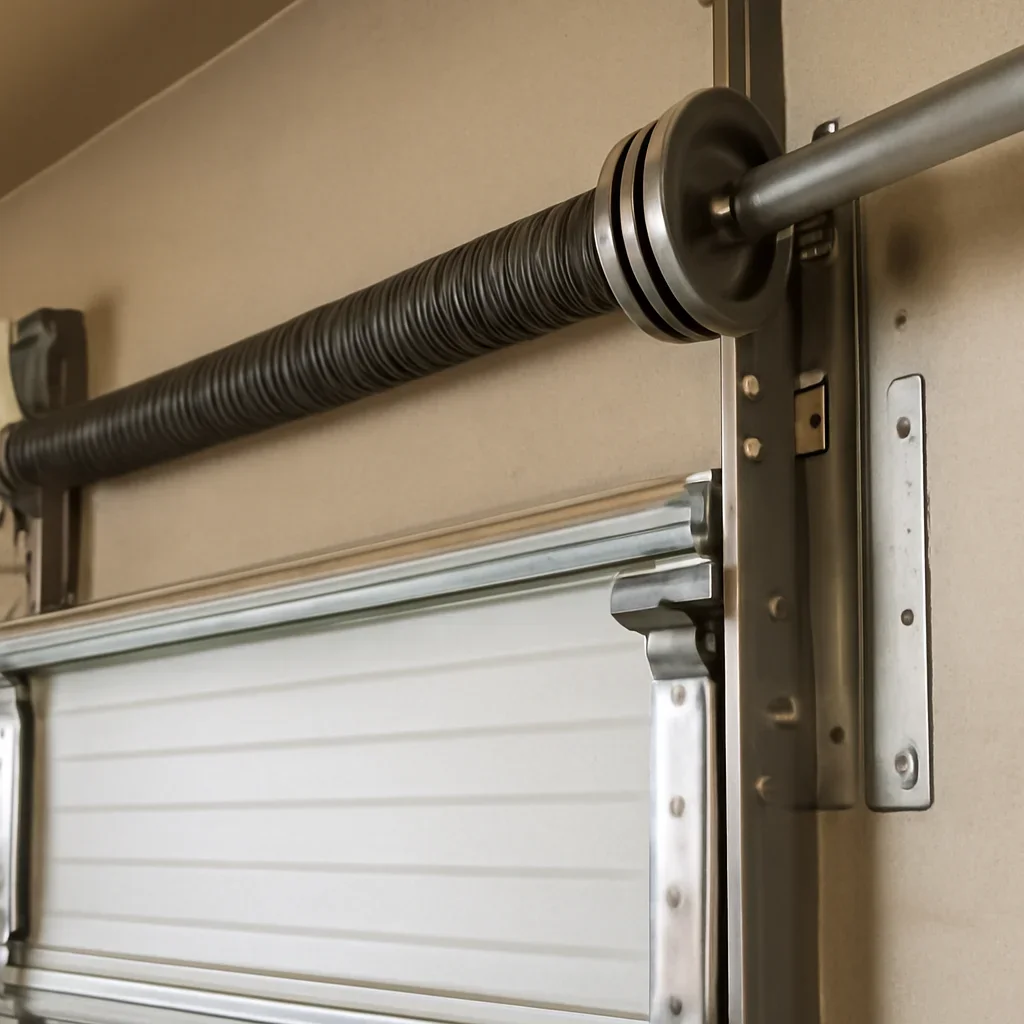
Coastal exposure is not a diagnosis by itself, but moisture and salt carried through the air can contribute to corrosion on unprotected or aging metal components. Springs, cables, fasteners, brackets, tracks, rollers, hinges, bottom fixtures, and door finishes should be checked rather than assuming the opener is the only problem.
A door that feels heavy or moves unevenly may involve spring fatigue, cable deterioration, track resistance, corroded hardware, roller wear, opener strain, or several connected issues. Visible rust should be considered alongside door balance and structural condition.
The inspection should also account for how the opening is used. It may support a local business, managed residence, rental property, shared garage, detached storage structure, workshop, or secure parking area. For broader neighbourhood information, visit Crescent Beach garage door services.
A coastal commercial or commercial-style garage door should be assessed as a complete system. The door, lift components, tracks, opener, seals, controls, fasteners, and surrounding opening can all affect the correct repair path.
A stuck door can block parking or storage access, trap a vehicle, interrupt property use, or leave equipment and belongings exposed.
Restore access without forcing the doorA heavy, crooked, dropping, or uneven door may involve a spring, cable, drum, bracket, or balance problem, including corrosion-related weakening.
Inspect the lifting system firstHumming motors, unreliable remotes, keypad trouble, sensor faults, incorrect limits, and strained operation can interrupt dependable access.
Test controls and safety functionsScraping, shaking, popping, binding, or rough travel may point to worn rollers, corroded hinges, loose fasteners, track damage, or poor alignment.
Correct movement before damage spreadsWater, drafts, debris, pests, or visible daylight may indicate worn seals, poor floor contact, deteriorated sections, or uneven closing.
Improve closure and property protectionWidespread corrosion, recurring failures, damaged sections, poor sealing, obsolete hardware, or continued opener strain may support replacement.
Compare repair cost with remaining service lifeKeep people, vehicles, tools, and stored property away from a door that is hanging, crooked, off track, unusually heavy, severely corroded, or showing a loose cable. Do not keep cycling the opener.
The goal is to identify the actual failure, assess corrosion and wear, explain practical options, and restore dependable access without replacing parts blindly.
Explain whether the door is open, closed, jammed, crooked, damaged, unsecured, or affecting parking, storage, tenants, customers, or property use.
Springs, cables, drums, tracks, rollers, hinges, brackets, sections, seals, fasteners, opener settings, controls, and safety devices are reviewed.
Recommendations should reflect the failed parts, corrosion level, door condition, operating demands, security needs, and expected remaining life.
Balance, travel, secure closing, opener response, safety reversal, controls, seals, and general movement are checked before sign-off.
Crescent Beach is not a large industrial area, but dependable garage access can still matter for local businesses, managed properties, rental garages, detached structures, storage areas, workshops, and shared parking.
Describe what the door protects, how often it operates, who depends on it, and how directly it is exposed to coastal weather. That context helps determine whether repair, maintenance, opener service, spring work, or replacement planning is most appropriate.
Rear or side openings may support storage, staff access, deliveries, equipment, waste handling, or secure parking.
Property managers may need clear repair communication, access coordination, and dependable operation for residents or tenants.
Standalone buildings may be more directly exposed to wind, moisture, vegetation, and longer maintenance intervals.
A door that cannot close securely can expose tools, equipment, vehicles, supplies, or stored belongings.
Multiple users can increase wear on openers, remotes, keypads, rollers, hinges, sensors, and closing controls.
Doors with greater weather exposure may need closer attention to hardware finishes, corrosion, seals, and lower sections.
You do not need to identify the failed component. Describe the symptom, visible corrosion, door position, and effect on the property.
Use this guide to describe the issue and separate possible opener faults from spring, cable, track, corrosion, seal, hardware, or complete-door concerns.
Swipe horizontally to view the complete guide.
| What you notice | Possible concern | Best next step |
|---|---|---|
| Door is heavy, crooked, or drops unexpectedly | Spring, cable, drum, bracket, corrosion, or balance failure | Stop operating it and request a complete lift-system assessment. |
| Opener runs but the door barely moves | Opener strain, poor balance, drive trouble, corroded hardware, or mechanical resistance | Do not keep cycling it; describe the sound and movement when booking. |
| Door reverses, stops, or will not close fully | Sensor fault, obstruction, travel limit, track resistance, seal pressure, or uneven closing | Check for an obvious obstruction without bypassing safety devices. |
| Door scrapes, shakes, binds, or makes popping sounds | Roller, hinge, fastener, track, bracket, corrosion, or alignment problem | Book service before movement damages sections or lift hardware. |
| Rust appears on cables, springs, brackets, tracks, or lower sections | Surface corrosion or deeper deterioration affecting strength and movement | Have the affected components assessed rather than coating over active damage. |
| Water, air, debris, or pests enter around the door | Worn seals, floor gaps, deteriorated sections, or uneven closing | Request a seal, lower-section, floor-contact, and closing-position inspection. |
| The same problem keeps returning | Widespread corrosion, aging hardware, poor opener compatibility, or broader door wear | Compare another repair with planned replacement or upgrading. |
A general commercial repair request may lead to a more specific service once the door, corrosion, lift system, opener, damage, and remaining service life are understood.
Best for motors, remotes, wall controls, keypads, sensors, travel limits, intermittent response, unusual sounds, and doors that reverse or stop.
View opener repair 02Best for doors that feel heavy, sit crooked, drop quickly, stop after limited movement, or show spring, cable, drum, or balance concerns.
View spring repair 03Best when the existing door has widespread corrosion, recurring failures, damaged sections, poor sealing, obsolete parts, or unsuitable materials.
View installation serviceThese answers help Crescent Beach business owners, landlords, strata representatives, property managers, and local operators make a clearer repair decision.
You may need repair if the door is stuck, heavy, crooked, noisy, corroded, off track, not closing securely, or not responding correctly to the opener. Describe the property use, door type, visible condition, and effect on access or security.
Coastal moisture and salt carried through the air can contribute to corrosion on exposed or aging metal. The actual condition depends on the material, coating, drainage, maintenance history, location, and degree of exposure.
Surface corrosion may not require full replacement, but components with deep rust, section loss, fraying, distortion, weakened attachments, or unreliable movement may need replacement. The part should be inspected before deciding.
No. A heavy or crooked door may have a spring, cable, drum, track, bracket, corrosion, or balance problem. Forcing it can damage the opener and make the failure more extensive.
Water entry may involve worn bottom or side seals, uneven floor contact, blocked drainage, a damaged lower section, gaps around the opening, or a door that is no longer closing evenly.
Repair may make sense when corrosion is limited and the door remains structurally sound, balanced, secure, and serviceable. Replacement may offer better value when deterioration is widespread, failures recur, sections are weakened, sealing is poor, or suitable parts are unavailable.
Provide the Crescent Beach location, property use, door type, approximate size, current door position, visible rust or damage, unusual sounds, opener behaviour, and whether parking, storage, tenants, customers, vehicles, or security are affected.
Start with the symptom and property impact. Explain whether the door is stuck, heavy, crooked, corroded, damaged, off track, leaking, unsecured, or preventing normal parking, storage, tenant, customer, or vehicle access.