Door stuck open or closed
A jammed door can interrupt secure parking, deliveries, staff access, customer service, storage, vehicle movement, or access to a shared property area.

A failed commercial garage door can interrupt deliveries, block parking or service access, expose equipment, or leave a shared entrance unsecured. Clayton Heights is a compact and growing community with neighbourhood retail, mixed-use properties, strata developments, service businesses, community facilities, and residential-commercial interfaces. The repair plan should reflect the actual door, property type, access arrangement, and operational impact.
Describe the door type, current position, exact symptom, and whether the problem affects staff, customers, vehicles, deliveries, parking, equipment, or security. This helps determine whether the request belongs under commercial repair or a more focused opener, spring, track, seal, or installation service.
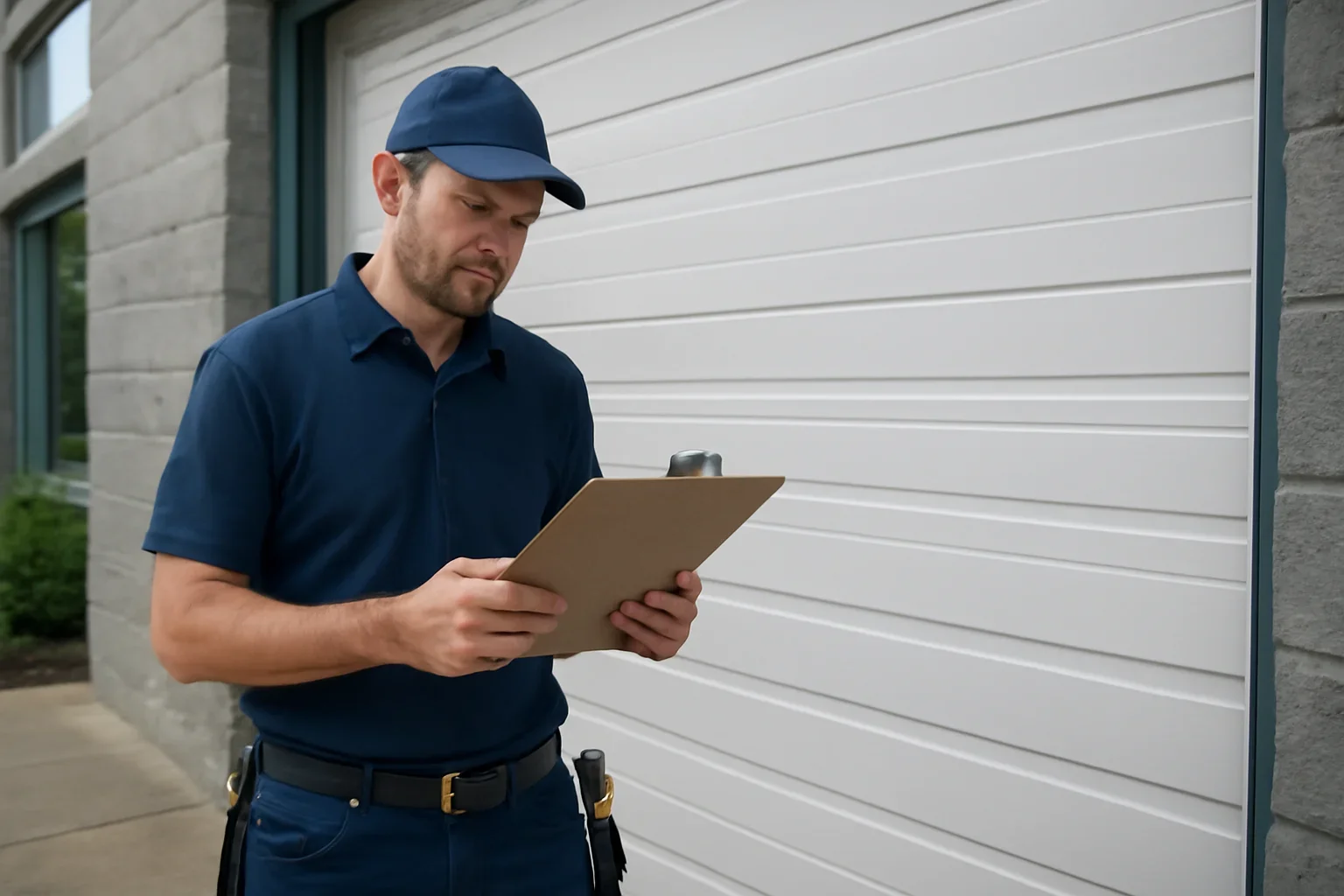
Keep staff, customers, residents, vehicles, and equipment clear. Do not force the door, pull loose cables, enter damaged tracks, or attempt to adjust springs and bottom brackets.
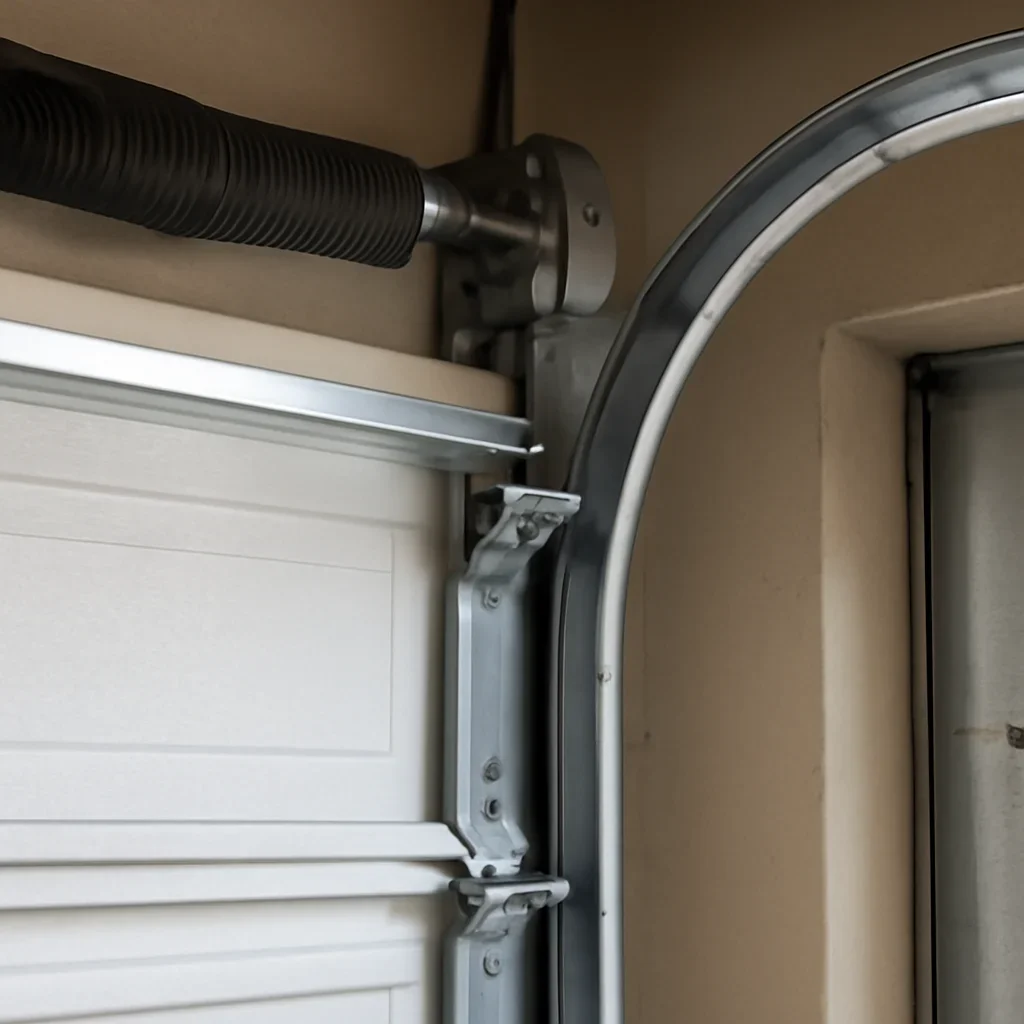
Clayton Heights includes newer residential areas, townhomes, coach homes, neighbourhood shopping, strata properties, community facilities, and commercial spaces near Fraser Highway and other busy local routes. Commercial repair requests are more likely to involve neighbourhood-serving properties and shared-access systems than large industrial warehouse doors.
The surrounding area is also continuing to grow. That means a service request may involve a newer insulated sectional door, a shared parkade entrance, a compact loading or service area, a rear-lane opening, or an operator that was installed without fully accounting for the door’s weight and daily cycle count.
Rear lanes, narrow service areas, shared drive aisles, visitor parking, and limited turning space may affect how the work area is prepared.
Opener setup, safety-sensor position, spring sizing, track alignment, installation clearances, and control programming can still cause unreliable operation.
Heavier insulated doors depend on suitable springs, properly adjusted cables, aligned tracks, and an operator that is not being used to compensate for poor balance.
For the broader neighbourhood overview, visit Clayton and Clayton Heights garage door services.
Similar symptoms can come from different components. Describe the door’s movement, sound, current position, control response, and effect on the property rather than assuming which part has failed.
A jammed door can interrupt secure parking, deliveries, staff access, customer service, storage, vehicle movement, or access to a shared property area.
A door that falls, lifts unevenly, or will not remain open may have a spring, cable, drum, or balance-system problem and should not be forced.
Inconsistent operation may involve power, controls, safety-sensor alignment, limits, wiring, operator setup, or resistance elsewhere in the door.
Rough movement may be related to rollers, hinges, tracks, loose hardware, operator strain, poor balance, physical damage, or limited installation clearance.
Worn seals, uneven pavement, damaged perimeter material, drainage conditions, or poor alignment can leave an opening exposed to moisture and debris.
Installation may be considered when repeat repairs, structural damage, security, door weight, clearances, operating frequency, or operator compatibility makes replacement more practical.
A useful assessment considers the complete door system and how the property uses the opening. This helps avoid replacing one component while a balance, track, sensor, control, clearance, installation, or access problem remains.
Identify whether the issue affects staff, customers, residents, vehicles, deliveries, parking, equipment, or security.
Review springs, cables, tracks, rollers, hinges, brackets, panels, seals, controls, sensors, and opener components.
Confirm that the door weight, springs, tracks, clearances, safety devices, operator, and control settings work together correctly.
Test controlled travel, balance, limits, safety response, clearance, and secure closing before normal use resumes.
“Commercial garage door” can describe several different systems. Property details help distinguish a neighbourhood retail door from a strata parkade, mixed-use service entrance, workshop opening, community facility, or another shared-access system.
Include business hours, delivery windows, staff and customer access, parking restrictions, the service-entrance location, and whether the opening can be temporarily unavailable.
Confirm the authorized contact, parkade level, access method, visitor or contractor parking, control location, work-hour limits, and whether every user is affected.
Note lane access, turning space, parked vehicles, limited headroom, short driveways, restricted work space, unusual clearances, and any nearby gates or structures.
Clear booking information helps identify the likely repair route and prevents avoidable access delays. You do not need to diagnose the failed component yourself.
Describe the symptom in plain language. The property type, current door position, access arrangement, operational impact, and system setup are more useful than guessing which part has failed.

These answers help business owners, strata contacts, facility representatives, and property managers choose a practical first step without attempting unsafe repairs.
Commercial repair is a suitable starting point when an overhead, sectional, rolling, service, parking, or shared-access door at a business or managed property is stuck, damaged, uneven, noisy, unreliable, or disrupting normal access.
Restrict the area, keep people and vehicles clear, and protect the opening without touching loose cables or forcing the door. Explain whether parking, stock, equipment, staff areas, residents, or public access are exposed.
Possible causes include sensor alignment, an obstruction, control settings, incorrect travel limits, resistance in the tracks, poor door balance, installation clearance, or an opener that is not suited to the complete door system.
Spring selection should match the door’s weight, dimensions, track setup, drum configuration, and expected cycle use. An opener should not be used to compensate for an incorrectly balanced door.
Include the authorized contact, building or unit name, parkade level, service entrance, access-code process, contractor parking, work-hour limits, and whether the problem affects every user or one opening.
Appointment timing depends on current scheduling, technician routing, the door system, property-access requirements, required parts, and the urgency of the issue. Complete booking details make the request easier to assess.
Share the symptom, Clayton Heights location, property type, current door position, operational impact, and access instructions. This helps identify the most relevant repair route and prepare for a clearer commercial service discussion.
Phone: +1 (844) 822-2211
Email: info@surreygaragedoor.com
10362 King George Blvd
Surrey, BC V3T 2W5