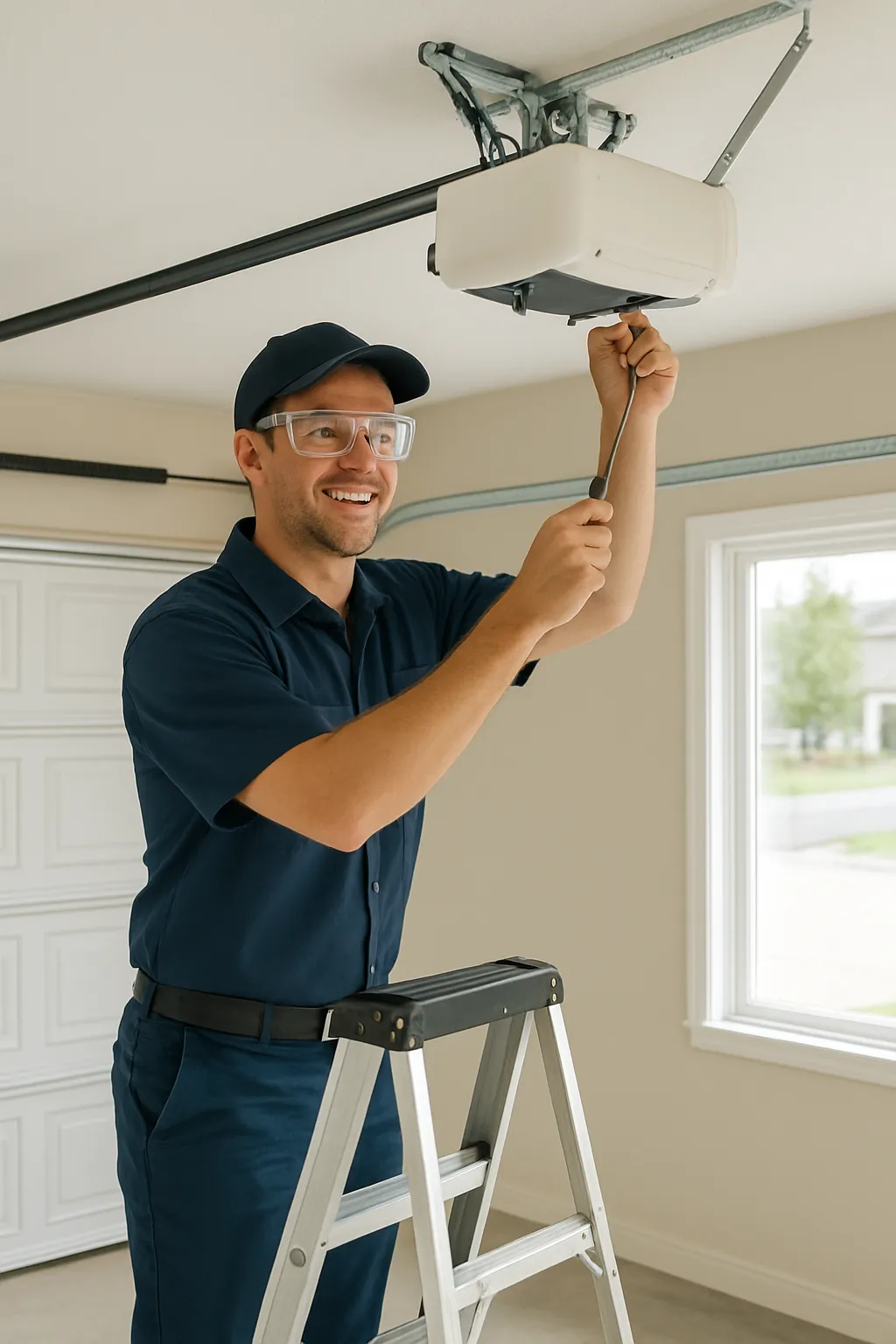
The 3 Most Dangerous DIY Mistakes in Garage Door Repair
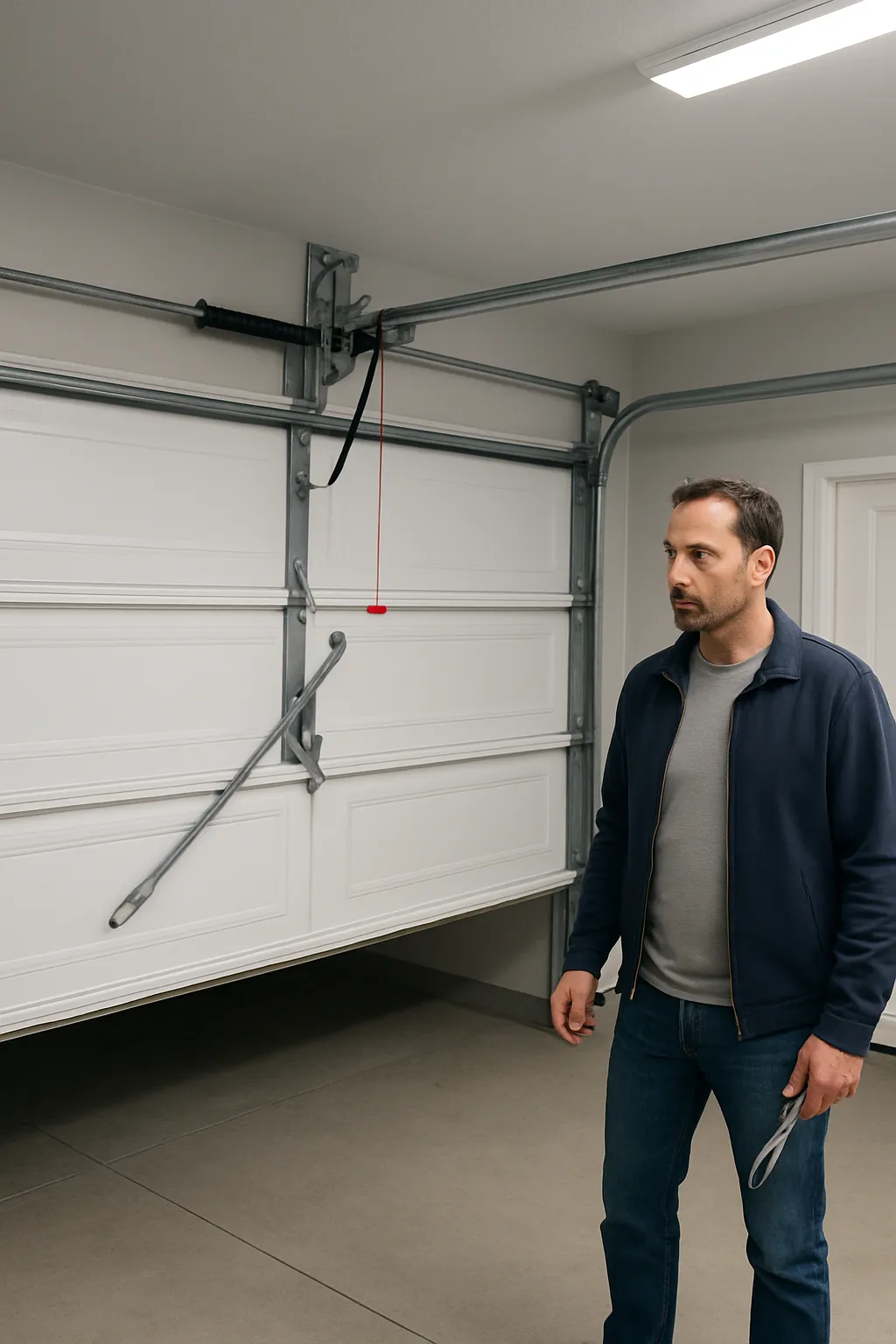
Garage door problems can be frustrating. A door may stop opening, a cable may come loose, or a spring may suddenly break. For homeowners who enjoy DIY projects, the first instinct may be to grab some tools and fix the problem.
With garage doors, that approach can be dangerous. Garage door systems contain heavy components and parts under significant tension.
A repair that looks simple can cause serious injury if the wrong component moves unexpectedly. Here are three DIY mistakes Surrey homeowners should avoid.
1. Trying to Repair a Torsion Spring
Torsion springs are among the most dangerous components of a garage door system. These springs are tightly wound around a shaft above the door. They store mechanical energy that helps lift and balance the heavy door. When a spring breaks, that energy can be released suddenly.
Trying to unwind, adjust, remove, or replace a torsion spring without proper training and equipment can result in serious injuries to the hands, face, or body.
If your garage door spring has broken, do not attempt to repair it yourself. Keep people away from the area and contact a qualified technician.
2. Attempting to Reconnect a Snapped Cable
Garage door cables work alongside the spring system to support and move the door. If a cable becomes loose, frayed, or snaps, it may be tempting to reconnect it immediately.
That can be risky.
A cable may still be under tension, and the door may be unstable or uneven. Pulling, cutting, or reconnecting a cable without understanding the system can cause it to move suddenly.
A snapped cable can also indicate that another component has failed or become worn. Fixing only the visible cable may not address the underlying problem.
If a cable has come off or snapped, avoid operating the door and arrange for professional Garage Door Repair.
3. Forcing a Stuck or Heavy Door
A garage door can weigh hundreds of pounds. The spring system normally helps counterbalance that weight.
If the door suddenly becomes very heavy, crooked, or difficult to move, there may be a problem with the springs, cables, rollers, tracks, or other hardware.
Trying to force the door open or pull it down can make the situation worse. The door could shift unexpectedly or fall if its supporting components have failed.
Instead of forcing it, stop using the door and inspect only what can be safely observed without touching tension-loaded components.

Safe Checks vs. Dangerous Repairs
Homeowners can perform a few basic observations without attempting mechanical repairs.
Generally safe checks
- Check whether the opener has power.
- Look for objects blocking the door.
- Inspect the area around the tracks for debris.
- Check whether the safety sensors are visibly blocked.
- Listen for unusual sounds.
- Observe whether the door moves unevenly.
Leave these to a professional
- Replacing torsion or extension springs
- Adjusting spring tension
- Reconnecting tensioned cables
- Replacing damaged cables
- Repairing severely damaged tracks
- Attempting to straighten a crooked door
- Removing loaded garage door hardware
When in doubt, do not put yourself underneath or beside a potentially unstable door.
Professional Repair Is the Safer Choice
DIY repairs can save money on many household projects. Garage door spring and cable repairs are different. The potential cost of an injury can far outweigh the cost of having a trained professional handle the repair.
For serious or unexpected failures, homeowners can also turn to Garage Door in BC resources for professional assistance and emergency repair options.
A garage door problem may be inconvenient, but it is rarely worth risking a serious injury to fix it yourself. When high-tension components are involved, putting down the wrench and calling a professional is often the smartest repair decision you can make.