Surrey Garage Door Same-day garage door repair and 24/7 emergency support across Surrey, BC
Call (844) 822-2211
Garage door warning signs

What Is Your Garage Door Trying to Tell You?

Your garage door often gives you warning signs before a serious failure occurs. A sudden banging sound, uneven movement, or a door that feels unusually heavy can point to a mechanical problem that needs attention.

For Surrey homeowners, understanding these symptoms can help identify problems early and prevent further damage. The key is to look at the symptom first, understand what may be causing it, and know when professional help is needed.

  • Identify early warning signs before complete failure
  • Understand symptoms like noise, misalignment, and weight
  • Know when it is safe to check vs. when to call a professional
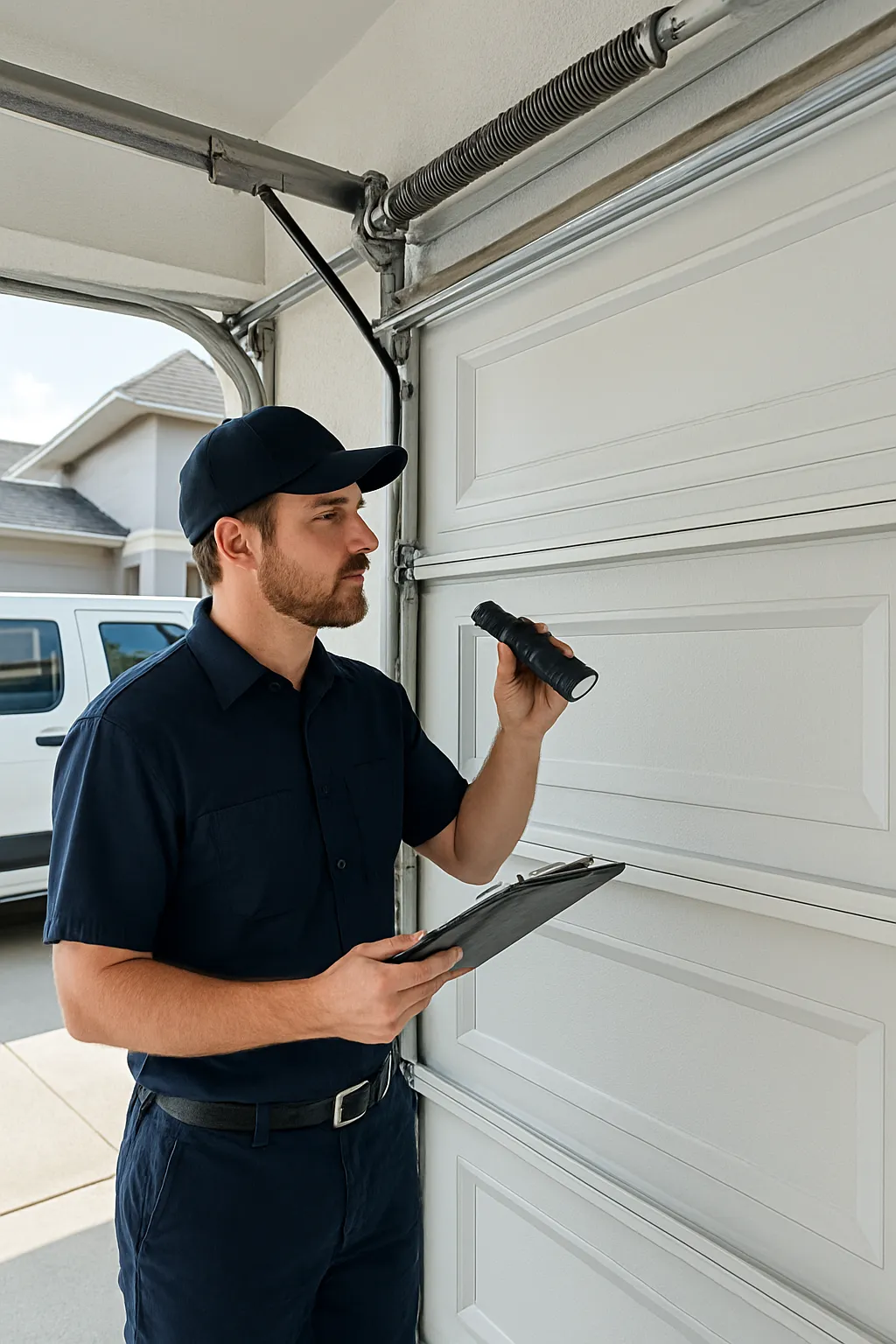
Inspecting garage door components for warning signs in Surrey, BC
Not sure what failed? Tell us if the door is open, closed, stuck, crooked, noisy, or unsafe to operate. Emergency repair help
Same-day help For many Surrey repair requests
24/7 emergency For urgent access or safety issues
15+ years Practical garage door experience
Surrey-wide Homes, strata and businesses
Symptom 1

1. Noisy Movement: What Does That Banging Mean?

A properly functioning garage door should move smoothly without excessive noise. If you suddenly hear banging, grinding, squeaking, or rattling, one or more components may be worn, loose, or damaged.

A single unusual sound does not always mean the entire system needs replacement. However, repeated banging or grinding should not be ignored.

Start with a visual check. Look for debris around the tracks and obvious signs of damage. Avoid touching springs, cables, or other components under tension.

If the noise continues, professional Garage Door Repair can help identify the actual source of the problem and determine the safest solution.

Common Noise Causes

  • Worn or damaged rollers
  • Loose hinges or brackets
  • Dry moving components
  • Damaged or misaligned tracks
  • Problems with the spring system
  • Loose hardware vibrating during operation
Alignment & Weight Issues

Physical Symptoms That Require Immediate Attention

Mechanical failures manifest in how the door hangs and feels during manual operation.

2. Crooked Door: Why Is One Side Higher?

Does your garage door look uneven when opening or closing? A crooked door is another important warning sign.

A properly balanced garage door should move evenly along both sides of the opening. If one side rises higher than the other, the problem could involve the cables, rollers, tracks, springs, or other supporting hardware.

Operating a crooked door can place additional strain on the opener and other components. In some cases, continued use can turn a relatively simple repair into a more extensive problem.

Do not try to force the door straight or manually adjust the cables. Garage door springs and cables can hold significant tension, making DIY adjustments dangerous. Instead, stop using the door if it appears unstable and arrange for a professional inspection.
3. Heavy Manual Operation: Why Is the Door So Difficult to Lift?

Garage doors are heavy, but the spring system is designed to counterbalance much of that weight. If your door suddenly becomes difficult to lift manually, something may be wrong.

Possible causes include:
  • A broken or weakened spring
  • A damaged or disconnected cable
  • Worn rollers
  • Track problems
  • An unbalanced door
  • Other mechanical failures

A common mistake is trying to force a heavy door open. This can damage the door, opener, or supporting hardware and may create a safety hazard. If the door feels unusually heavy, do not attempt to adjust or replace the springs yourself.

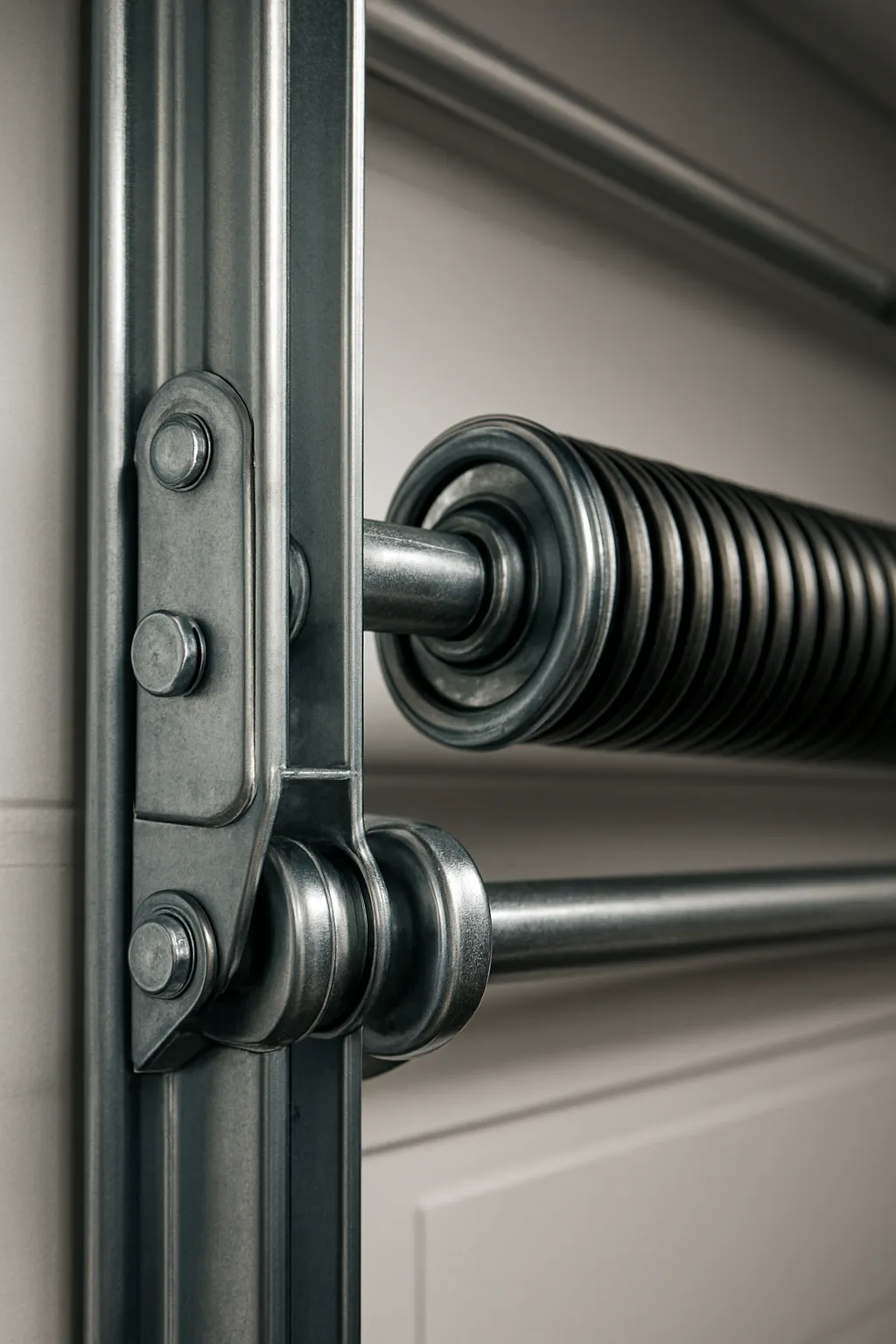
Technician inspecting garage door alignment and tension components
Root cause analysis

Symptom vs. Cause: Look Beyond the Warning Sign

It is easy to focus on the symptom without addressing its underlying cause.

For example, lubricating a noisy door may temporarily reduce squeaking, but it will not repair a damaged roller or misaligned track. Similarly, repeatedly resetting an opener will not solve a mechanical problem that is causing the door to bind.

  • Determine why the garage door is behaving differently
  • Address worn components before complete system failure
  • Make repairs predictable and reduce replacement costs
Safety & Inspections

What Can Homeowners Safely Check?

Some basic observations are appropriate for homeowners without putting safety at risk.

Power & Obstructions Check if the opener has power and look for objects blocking the door.
Track & Floor Area Remove loose debris from floor and check visible areas of tracks.
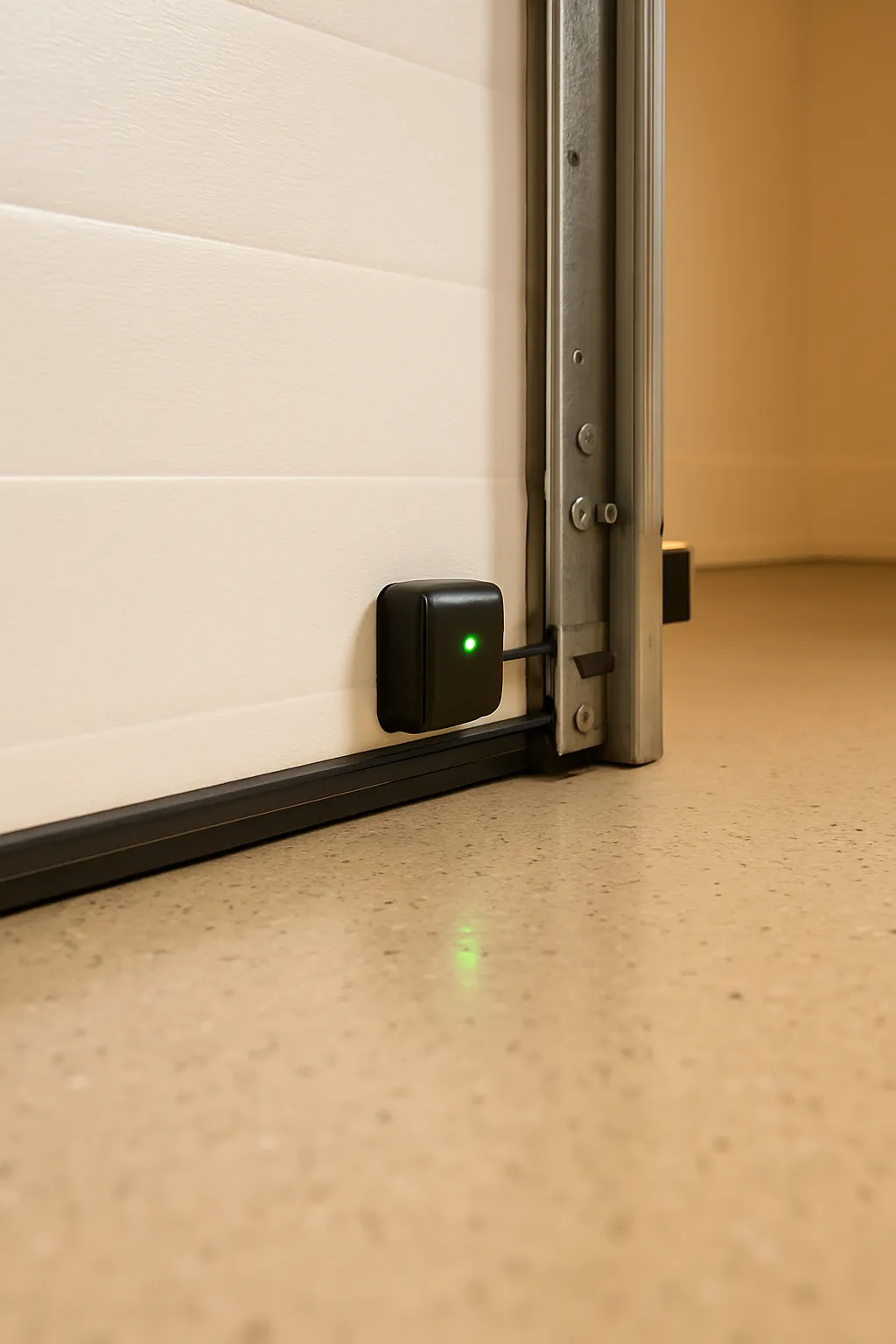
Safety Sensors Inspect photo-eye safety sensors for obvious blockages or misalignments.
Visual & Sound Check Listen for unusual sounds and watch whether the door moves evenly.

Safety Warning: Avoid attempting repairs involving springs, cables, or other tension-loaded components. If a spring is broken, a cable has snapped, the door is severely crooked, or the door feels dangerously heavy, stop troubleshooting and seek professional assistance.

Safe homeowner checks for garage door safety sensors and tracks
Perform visual checks only. Leave high-tension springs, cables, and mechanical repairs to trained professionals.

Know When to Call for Garage Door Repair

Your garage door does not need to fail before you call a professional. Strange noises, uneven movement, and unusual resistance can all be early warning signs.

You can also visit Garage Door in BC for additional information about garage door services and solutions throughout British Columbia.

Paying attention to what your garage door is telling you can save time, prevent further damage, and improve safety. When a simple symptom points to a high-tension mechanical problem, the safest solution is to stop using the door and let a qualified professional handle the repair.

Emergency Help 24/7 Response
Coverage Area Surrey & BC Wide
Direct Phone (844) 822-2211
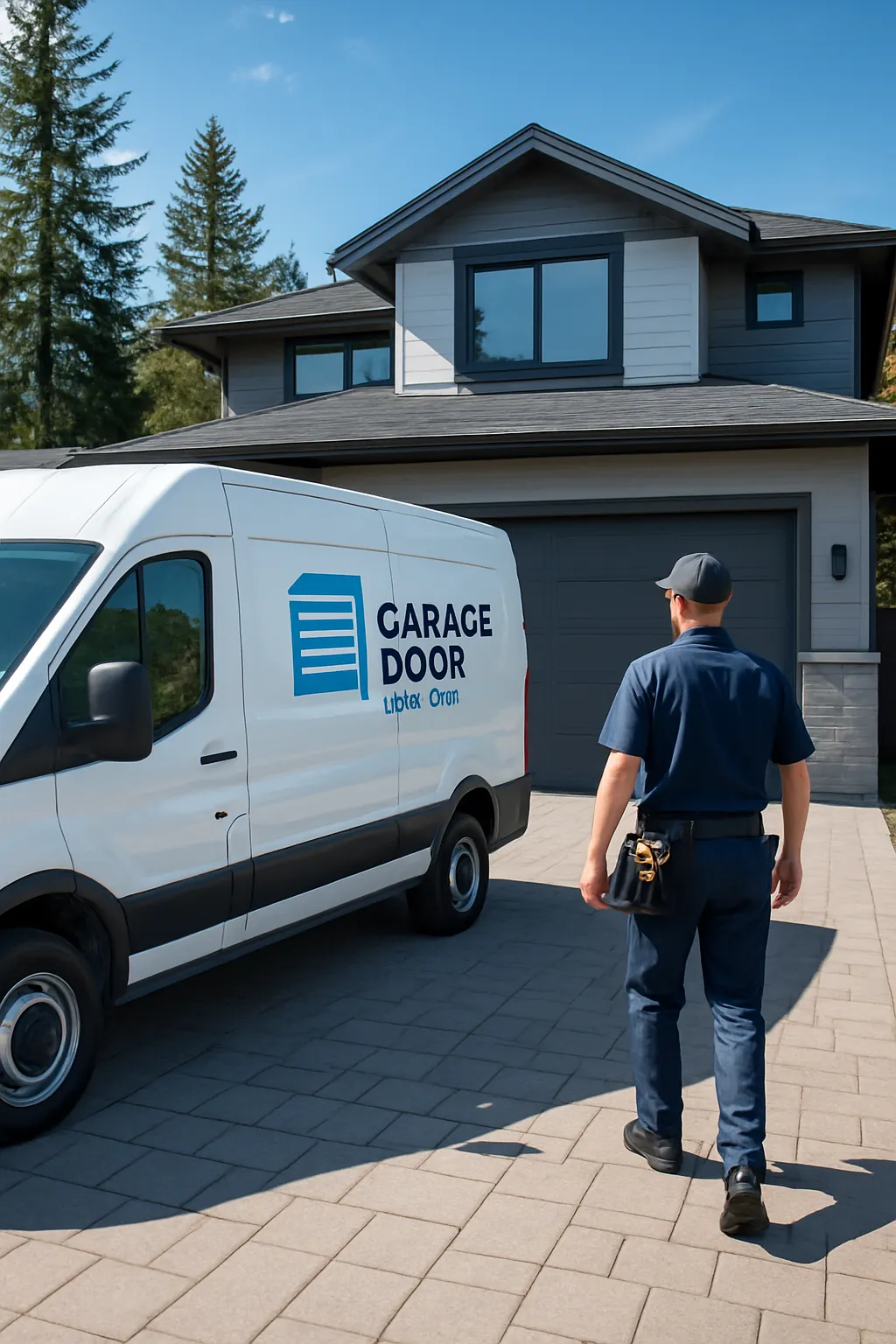
Surrey garage door service technician arriving for door repair