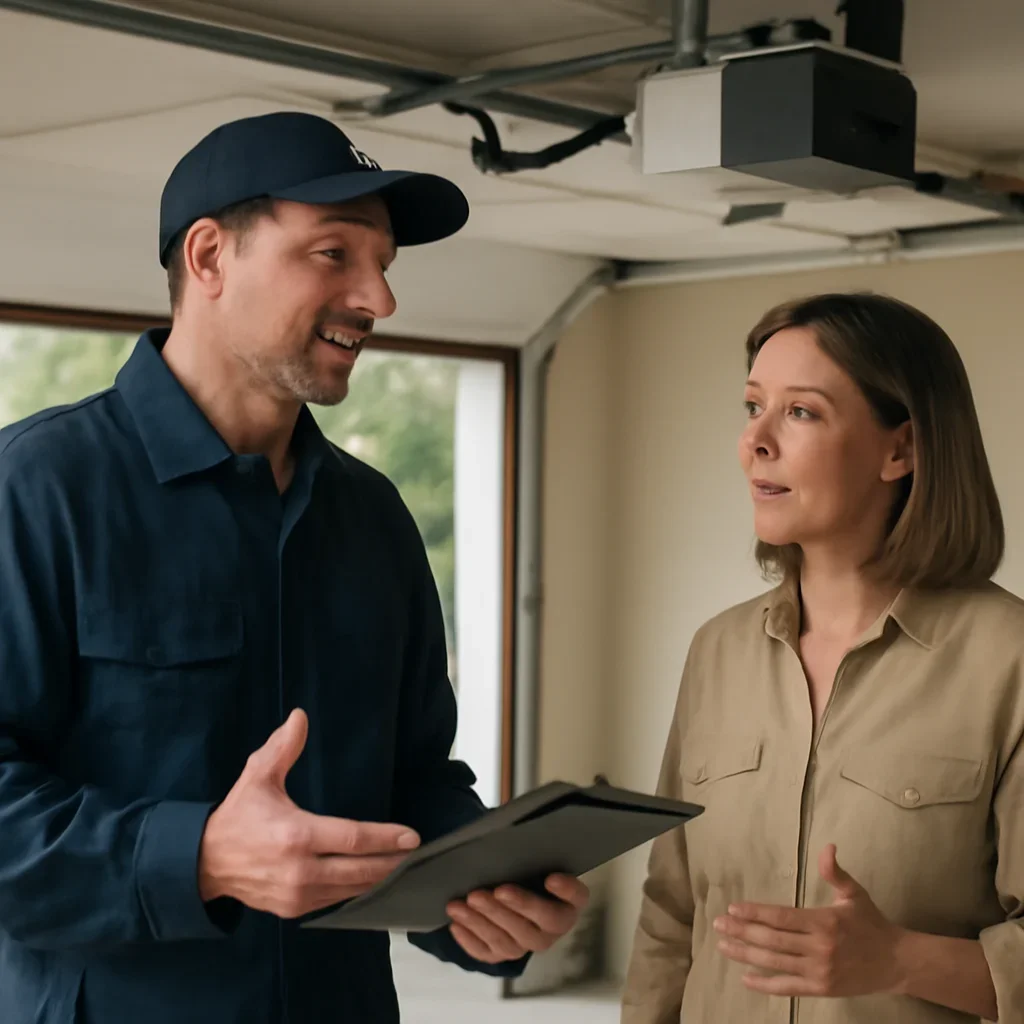
Remote and keypad response
Remotes, keypads, batteries, signal range, receiver response, and programming issues are checked before assuming the motor has failed.
Check control response
Garage door opener repair in Bridgeview starts with checking whether the issue is the opener, safety sensors, controls, power supply, or a door system creating too much strain. In this small industrial-residential Surrey area near the Fraser River, bridge corridors, yards, workshops, detached homes, and service-access doors, opener problems often connect to traffic grit, moisture, corrosion, commercial wear, track damage, and heavy daily use.
If your opener clicks, hums, flashes, reverses, runs but the door does not move, works from one control but not another, or struggles with a service-access door, it may not be a full opener failure. A proper Bridgeview repair check should also inspect track resistance, spring balance, cable wear, roller condition, seal drag, moisture exposure, and corrosion.
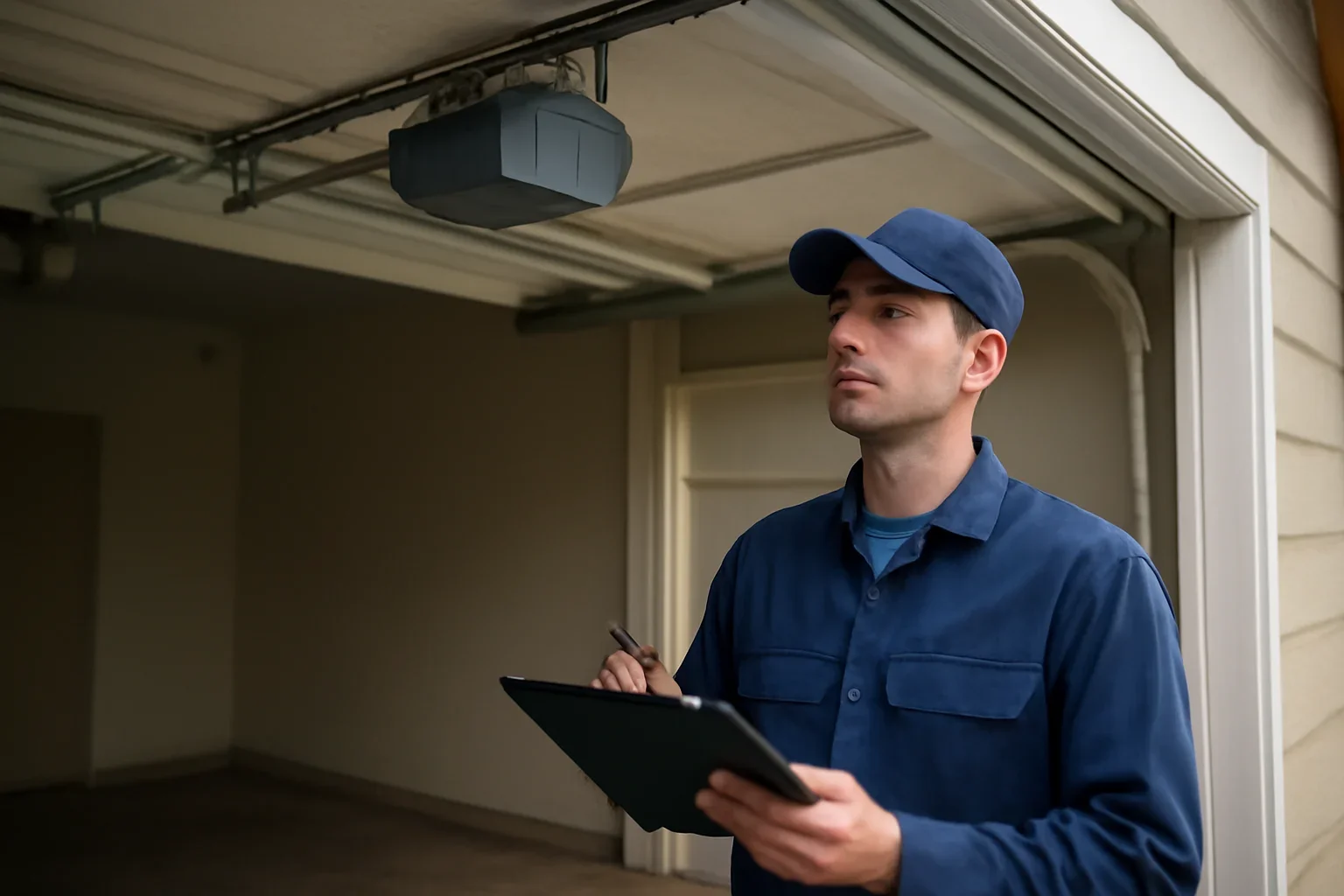
Bridgeview has a different service profile than a quiet suburban neighbourhood. Properties may include detached homes, yards, workshops, storage areas, small commercial spaces, and service-access doors where reliable opening and secure closing matter more than cosmetic appearance.
Traffic grit, moisture near the Fraser River, industrial movement, and frequent access can affect sensors, tracks, rollers, seals, hinges, cables, and opener force settings. The opener may be the part that seems to fail, but the real issue may be a dragging seal, damaged track, worn roller, corroded hardware, or an unbalanced door.
For broader area information, visit Bridgeview garage door services. For the citywide opener overview, see Garage Door Opener Repair in Surrey.
A reliable repair starts by testing the opener and the door together. Replacing a motor or control without checking track damage, corrosion, seal drag, or door balance can leave the same access problem behind.
Remotes, keypads, batteries, signal range, receiver response, and programming issues are checked before assuming the motor has failed.
Check control responseThe wall button, outlet, wiring, power interruption, opener lights, and basic electrical response are reviewed for simple failure points.
Rule out power issuesFlashing lights, door reversal, refusal to close, dirty lenses, loose brackets, moisture exposure, and sensor misalignment are checked.
Improve safe closingIncorrect travel limits, force settings, track resistance, seal drag, or door damage can make the opener stop, reverse, or strain.
Correct movement controlGear wear, chain or belt problems, rail issues, motor strain, logic board concerns, and vibration are checked when the opener runs poorly.
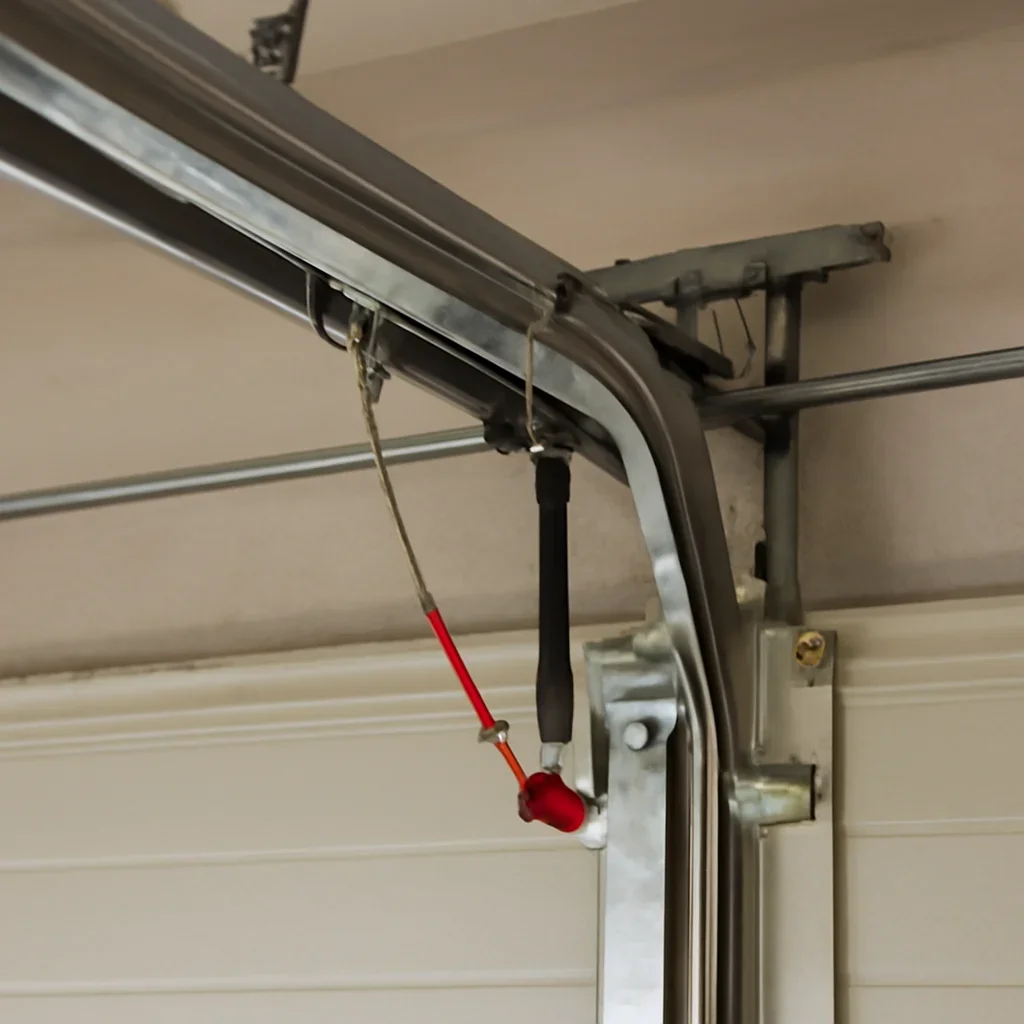
Find mechanical faultsSprings, cables, rollers, tracks, hinges, brackets, seals, and corrosion are reviewed because door resistance can damage a good opener.
Protect the openerRepair note: if the opener hums but cannot lift, reverses near the floor, or only works when the door is helped by hand, the problem may be door resistance, track damage, spring fatigue, or seal drag. Do not force the opener.
The goal is to restore dependable opening and closing while making sure the opener is not being asked to compensate for a worn, gritty, corroded, or misaligned door system.
The visit starts with the exact behaviour: clicking, humming, flashing lights, dead remote, wall control failure, reversing, slow travel, or no movement.
Remotes, keypad, wall control, safety sensors, wiring, signal response, opener lights, power supply, and safety reversal are checked.
The motor, belt or chain, gears, rail, travel limits, force settings, door balance, rollers, springs, tracks, seals, and corrosion are reviewed together.
When repair is practical, the failing part or setting is corrected, then the opener is tested for safe reversing, secure closing, and reliable access.
In Bridgeview, opener issues often affect more than convenience. A failed opener can interrupt service access, shop access, yard security, parking, storage, deliveries, or daily home use. Because the area has more exposure to traffic grit, moisture, industrial movement, and practical service-door needs, diagnostics should include the opener, controls, sensors, tracks, seals, rollers, and hardware condition.
A repair visit is especially useful when you are not sure whether the opener needs adjustment, a control repair, sensor alignment, gear repair, spring repair, track work, maintenance, or replacement. The inspection helps separate opener wear from door-system problems that can damage the opener again.
Signal, battery, receiver, programming, keypad, or opener board issues may be involved.
Sensor alignment, floor obstruction, seal drag, force setting, or track resistance may be the cause.
The opener may be straining against a heavy, corroded, misaligned, or damaged door system.
Dented, dirty, or misaligned tracks can make the opener stop, reverse, or overload.
Grit and moisture can affect sensors, seals, rollers, hinges, and exposed hardware.
Function, access, and secure closing are often the top priorities for yards and workshops.
You do not need to know the failed part. A clear description of the opener behaviour, property use, and door condition is enough to start.
Use this guide to describe the issue clearly. It helps separate opener repair from spring, cable, track, sensor, commercial wear, weather seal, or replacement concerns.
| What you notice | What it may mean | Best next step |
|---|---|---|
| Remote or keypad does not work | Battery, programming, receiver, signal, keypad, wiring, or opener board issue | Test the controls before replacing the opener. |
| Wall button works but remote does not | Remote, receiver, antenna, programming, or signal issue | Request opener control and receiver testing. |
| Door starts closing, then reverses | Safety sensor alignment, obstruction, dirty sensor lenses, seal drag, or force-setting issue | Check sensors, travel limits, seals, and the door path together. |
| Motor hums but door does not move | Heavy door, broken spring, release issue, gear failure, track resistance, or opener strain | Stop forcing the opener and request full door-system diagnosis. |
| Opener works but door is rough or loud | Roller wear, track damage, hinge looseness, corrosion, spring balance, or cable tension issue | Inspect the door hardware, not only the opener. |
| Service-access door keeps failing | The door may be too worn, exposed, corroded, or high-cycle for repeated small repairs | Compare opener repair against maintenance, track repair, spring repair, installation, or replacement advice. |
An opener complaint can be caused by the opener itself or by the door system creating resistance. These related pages can help you compare the right next step.
Best for heavy doors, broken spring symptoms, crooked travel, sudden failure, and openers that can no longer lift the door safely.
View spring repair 02Best when the existing door is damaged, corroded, poorly sealed, repeatedly failing, or no longer suitable for the access need.
View installation 03Best when the opener still works but the door is noisy, gritty, uneven, poorly balanced, or overdue for a full safety and hardware check.
View maintenanceThese answers help Bridgeview homeowners, yard operators, workshop users, and light commercial property owners decide whether the issue is likely an opener problem, sensor problem, track issue, spring problem, corrosion concern, or door-system problem.
You may need opener repair if the remote, keypad, wall control, motor, lights, safety sensors, travel limits, or force settings are not working correctly. If the door is heavy, crooked, stuck, noisy, scraping, corroded, or visibly damaged, the opener may be reacting to a spring, cable, roller, seal, or track problem.
Yes. Grit, moisture, and exposed conditions can affect sensors, tracks, rollers, seals, and hardware. When those parts create resistance, the opener may reverse, stop, strain, or behave inconsistently.
A humming opener can point to motor strain, gear failure, a release or trolley problem, a broken spring, track resistance, or a door that is too heavy to lift safely. Avoid forcing the opener until the door and opener are checked together.
Reversing can be caused by sensor misalignment, dirty sensor lenses, an obstruction, incorrect travel limits, force settings, track resistance, floor contact, or weather seal drag. The opener and door path should both be inspected.
Repair may make sense when the opener is serviceable and the issue is limited to controls, sensors, settings, or a replaceable part. Replacement may be better when the opener is outdated, repeatedly failing, underpowered, or no longer suitable for the door’s cycle count and access needs.
You can review pricing guidance to understand what can affect opener repair, spring work, maintenance, installation, and replacement costs.
Whether the opener is clicking, humming, flashing, reversing, refusing to close, losing remote signal, struggling with a service-access door, or reacting to track damage, corrosion, grit, or moisture, start with the exact symptom. Surrey Garage Door can help route the visit toward opener repair, sensor troubleshooting, spring repair, track adjustment, maintenance, installation, or replacement advice.