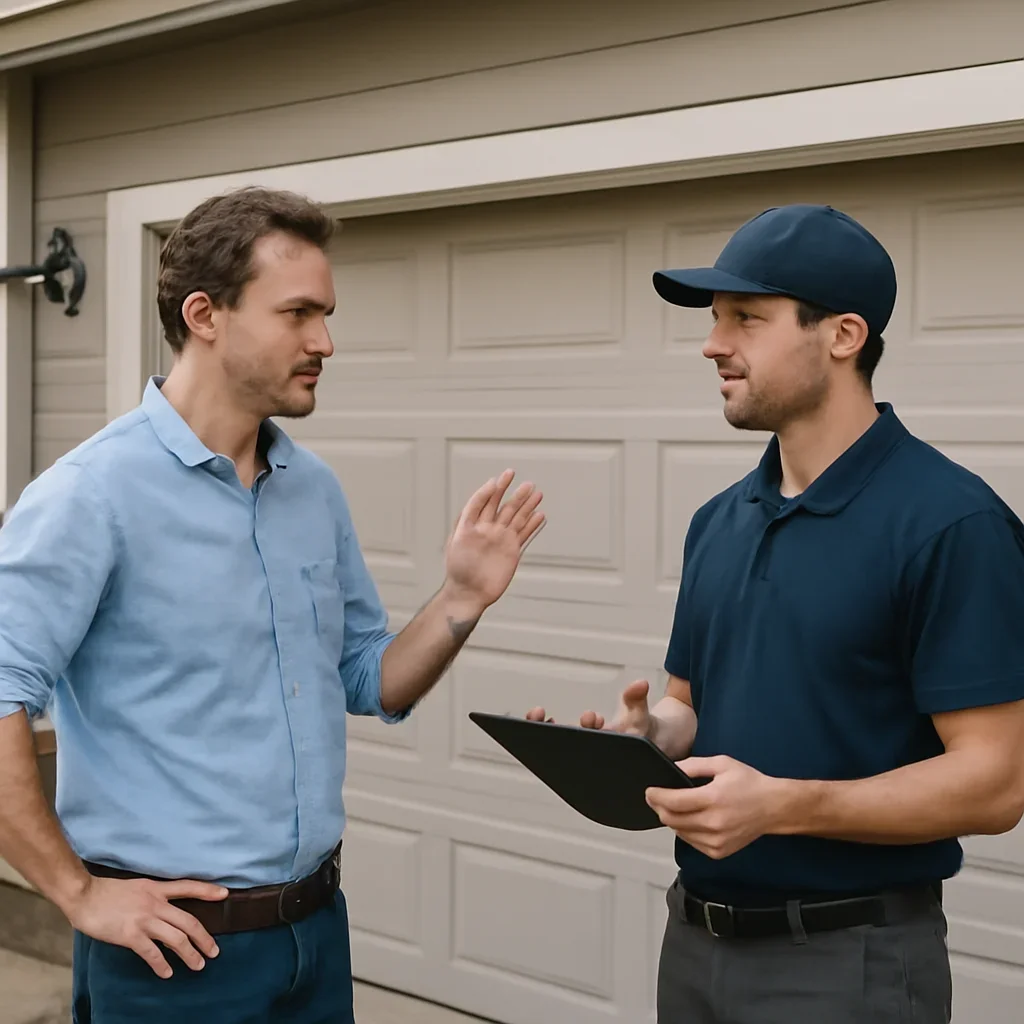
Remote and keypad response
Remotes, keypads, batteries, signal range, receiver response, and programming issues are checked before assuming the motor has failed.
Check control response
Garage door opener repair in Bear Creek Green Timbers starts with finding out whether the problem is the opener, the safety sensors, the controls, the power supply, or the door system putting too much strain on the motor. In this established Surrey area near Bear Creek Park, Green Timbers, schools, mature residential streets, and busy east-west connectors, many family garages rely on the opener several times a day.
If your opener clicks, hums, flashes, reverses, runs but the door does not move, works from one control but not another, or struggles to lift the door, it may not be a full opener failure. A proper repair check separates opener trouble from spring fatigue, cable wear, roller noise, track resistance, sensor misalignment, and bottom-seal drag.
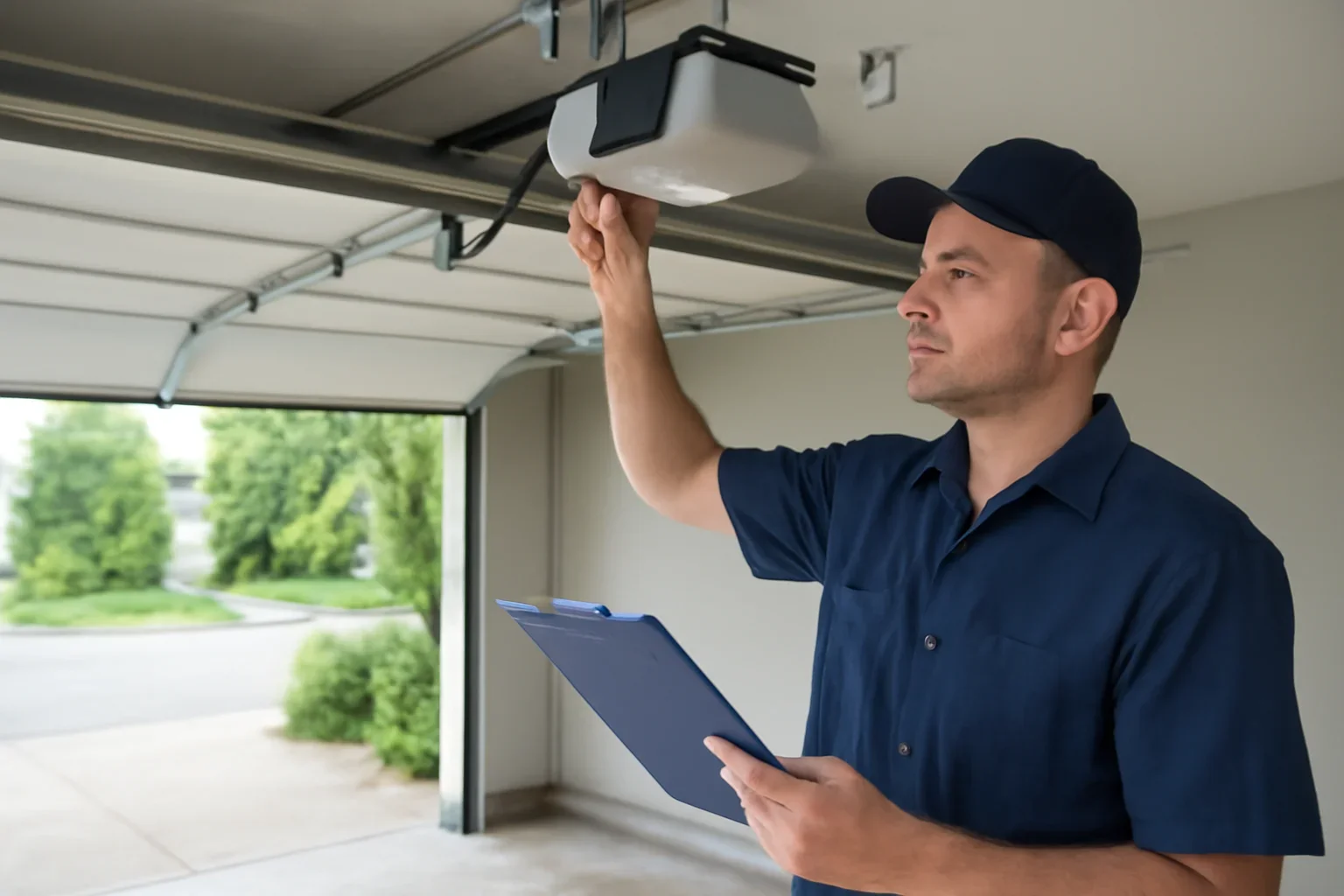
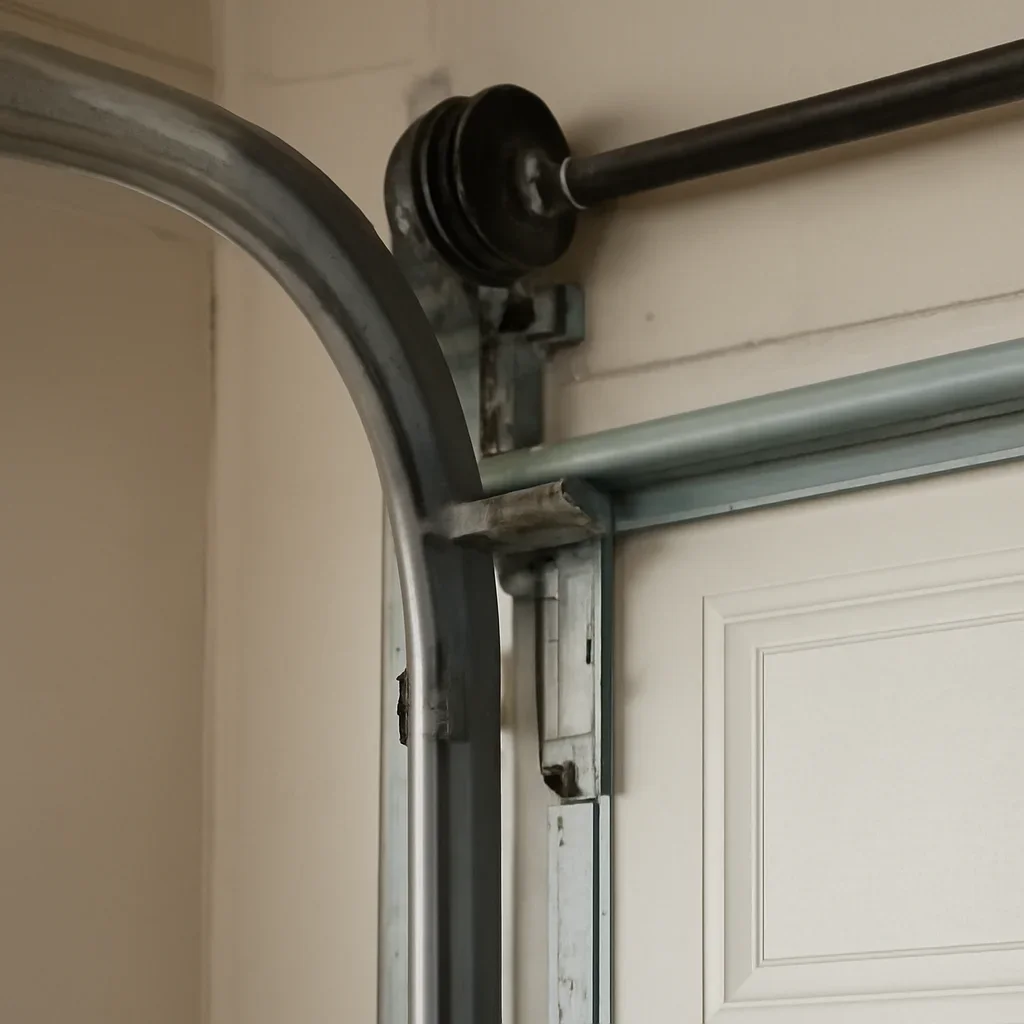
Many homes in Bear Creek Green Timbers sit on mature residential streets where the garage door may still use older springs, rollers, tracks, sensors, or opener hardware. The opener may be the part you notice first, but the real cause can be door resistance, weak spring balance, worn rollers, a shifted track, or a bottom seal dragging against the floor.
Daily family use also matters. Garages near parks, schools, and commuter connectors often open and close for work, school runs, bikes, storage, tools, and household access. That repeated cycling can make remotes, safety sensors, gears, chains, belts, wall controls, and force settings show problems over time.
For broader area information, visit Bear Creek Green Timbers garage door services. For the citywide opener overview, see Garage Door Opener Repair in Surrey.
A reliable repair starts by testing the opener and the door together. Replacing controls or motors without checking door balance can leave the same problem behind.
Remotes, keypads, batteries, signal range, receiver response, and programming issues are checked before assuming the motor has failed.
Check control responseThe wall button, outlet, wiring, power interruption, opener lights, and basic electrical response are reviewed for simple failure points.
Rule out power issuesFlashing lights, door reversal, refusal to close, dirty lenses, loose brackets, and sensor misalignment are common opener-related complaints.
Improve safe closingIncorrect travel limits, force settings, or door resistance can make the opener stop, reverse, strain, or fail to close completely.
Correct movement controlGear wear, chain or belt problems, rail issues, motor strain, logic board concerns, and excessive vibration are checked when the opener runs poorly.
Find mechanical faultsSprings, cables, rollers, tracks, hinges, and bottom seals are reviewed because an unbalanced door can damage a good opener.
Protect the openerRepair note: if the opener hums but cannot lift, stops halfway, or only works when the door is helped by hand, the door may be too heavy because of spring or balance problems. The opener should not be forced.
The goal is to restore dependable opening and closing while making sure the opener is not being asked to compensate for a worn or unsafe door system.
The visit starts with the exact behaviour: clicking, humming, flashing lights, dead remote, wall control failure, reversing, slow travel, or no movement.
Remotes, keypad, wall control, safety sensors, wiring, signal response, opener lights, power supply, and safety reversal are checked.
The motor, belt or chain, gears, rail, travel limits, force settings, door balance, rollers, springs, tracks, and seals are reviewed together.
When repair is practical, the failing part or setting is corrected, then the opener is tested for safe reversing and reliable daily operation.
In Bear Creek Green Timbers, garage doors often support regular family access. If the opener stops working, the problem can affect parking, storage, school routines, tools, bikes, and everyday entry. The issue may be as simple as a sensor or control problem, but it can also point to spring fatigue, roller noise, track resistance, or a door that is becoming too heavy for the opener.
A repair visit is especially useful when you are not sure whether the opener needs adjustment, a new control, sensor alignment, gear repair, spring repair, maintenance, or full replacement. The inspection helps separate normal opener wear from door-system problems that can damage the opener again.
Signal, battery, receiver, programming, or opener board issues may be involved.
Sensor alignment, floor obstruction, seal drag, force setting, or track resistance may be the cause.
The opener may be straining against a heavy, unbalanced, or stuck door.
Gear, belt, chain, rail, trolley, release cord, or door hardware should be checked.
Many flashing-light complaints are tied to sensors, limits, obstruction, or safety settings.
Springs, rollers, cables, and tracks may be creating resistance that shortens opener life.
You do not need to know the failed part. A clear description of the opener behaviour and door movement is enough to start.
Use this guide to describe the issue clearly. It helps separate opener repair from spring, cable, track, sensor, maintenance, or replacement concerns.
| What you notice | What it may mean | Best next step |
|---|---|---|
| Remote or keypad does not work | Battery, programming, receiver, signal, keypad, or opener board issue | Test the controls before replacing the opener. |
| Wall button works but remote does not | Remote, receiver, antenna, programming, or signal issue | Request opener control and receiver testing. |
| Door starts closing, then reverses | Safety sensor alignment, obstruction, floor contact, seal drag, or force-setting issue | Check sensors, travel limits, and door path together. |
| Motor hums but door does not move | Heavy door, broken spring, release issue, gear failure, trolley issue, or opener strain | Stop forcing the opener and request full door-system diagnosis. |
| Opener works but door is loud or rough | Roller wear, track alignment, hinge looseness, spring balance, or cable tension issue | Inspect the door hardware, not only the opener. |
| Opener repair keeps returning | The opener may be reacting to a worn door system or may no longer be cost-effective to repair | Compare opener repair against door maintenance, spring repair, or opener replacement advice. |
An opener complaint can be caused by the opener itself or by the door system creating resistance. These related pages can help you compare the right next step.
Best for heavy doors, broken spring symptoms, crooked travel, sudden failure, and openers that can no longer lift the door safely.
View spring repair 02Best when the existing door is damaged, outdated, poorly sealed, repeatedly failing, or no longer worth ongoing opener repairs.
View installation 03Best when the opener still works but the door is noisy, dry, uneven, poorly balanced, or overdue for a full safety and hardware check.
View maintenanceThese answers help Bear Creek Green Timbers homeowners decide whether the issue is likely an opener problem, sensor problem, spring problem, or door-system issue.
You may need opener repair if the remote, keypad, wall control, motor, lights, safety sensors, travel limits, or force settings are not working correctly. If the door is heavy, crooked, stuck, or noisy, the opener may be reacting to a spring, cable, roller, or track problem.
A humming opener can point to motor strain, gear failure, a release/trolley problem, a broken spring, or a door that is too heavy to lift safely. Avoid forcing the opener until the door and opener are checked together.
Reversing can be caused by sensor misalignment, dirty sensor lenses, an obstruction, incorrect travel limits, force settings, track resistance, or bottom-seal drag. The opener and door path should both be inspected.
Repair may make sense when the opener is newer and the issue is limited to controls, sensors, settings, or a serviceable part. Replacement may be better when the motor, gear system, logic board, or safety features are outdated or repeatedly failing.
Share your Bear Creek Green Timbers location, opener symptom, remote or keypad behaviour, wall control response, sensor lights, whether the motor makes noise, and whether the door feels heavy, uneven, noisy, or stuck.
You can review pricing guidance to understand what can affect opener repair, spring work, maintenance, installation, and replacement costs.
Whether the opener is clicking, humming, flashing, reversing, refusing to close, losing remote signal, or straining to lift the door, start with the exact symptom. Surrey Garage Door can help route the visit toward opener repair, sensor troubleshooting, spring repair, maintenance, installation, or replacement advice.