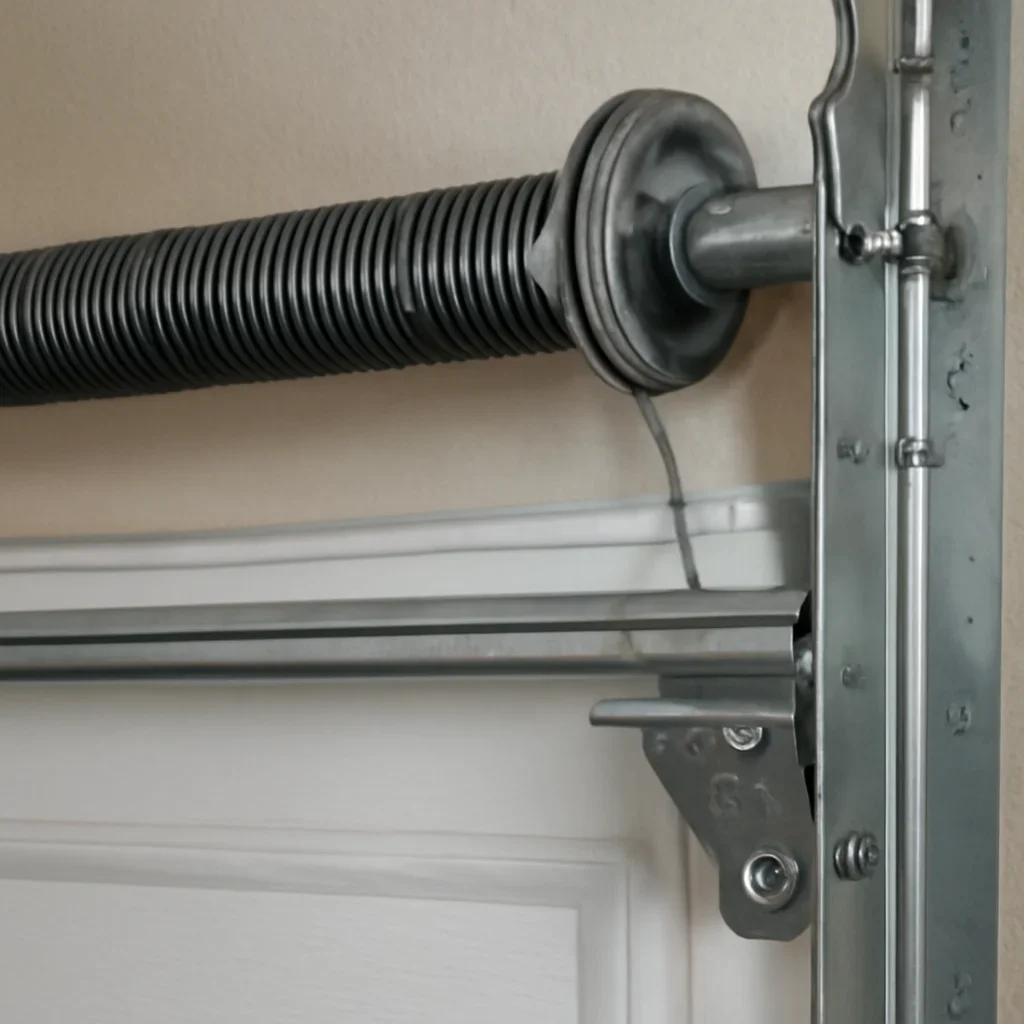
Spring and balance check
The door is checked for heavy movement, uneven travel, spring fatigue, poor balance, and signs that the opener may be doing too much lifting.
Protect the lift system
Garage door maintenance in Whalley and Surrey City Centre helps prevent noisy operation, opener strain, sensor faults, access interruptions, spring fatigue, and sudden cable or hardware failure. In Surrey’s most urban service area, with towers, mixed-use buildings, strata access systems, civic institutions, commercial service doors, townhomes, and older detached pockets, maintenance should focus on safe access, shared use, and high-frequency wear.
If your Whalley or Surrey City Centre garage door is noisy, slow, uneven, reversing, hard to close, heavily used, or connected to shared access, maintenance can help find wear before it becomes an urgent access problem. A proper visit should check balance, springs, cables, rollers, hinges, tracks, weather seals, opener travel, safety sensors, auto-reverse, and signs of high-frequency use.
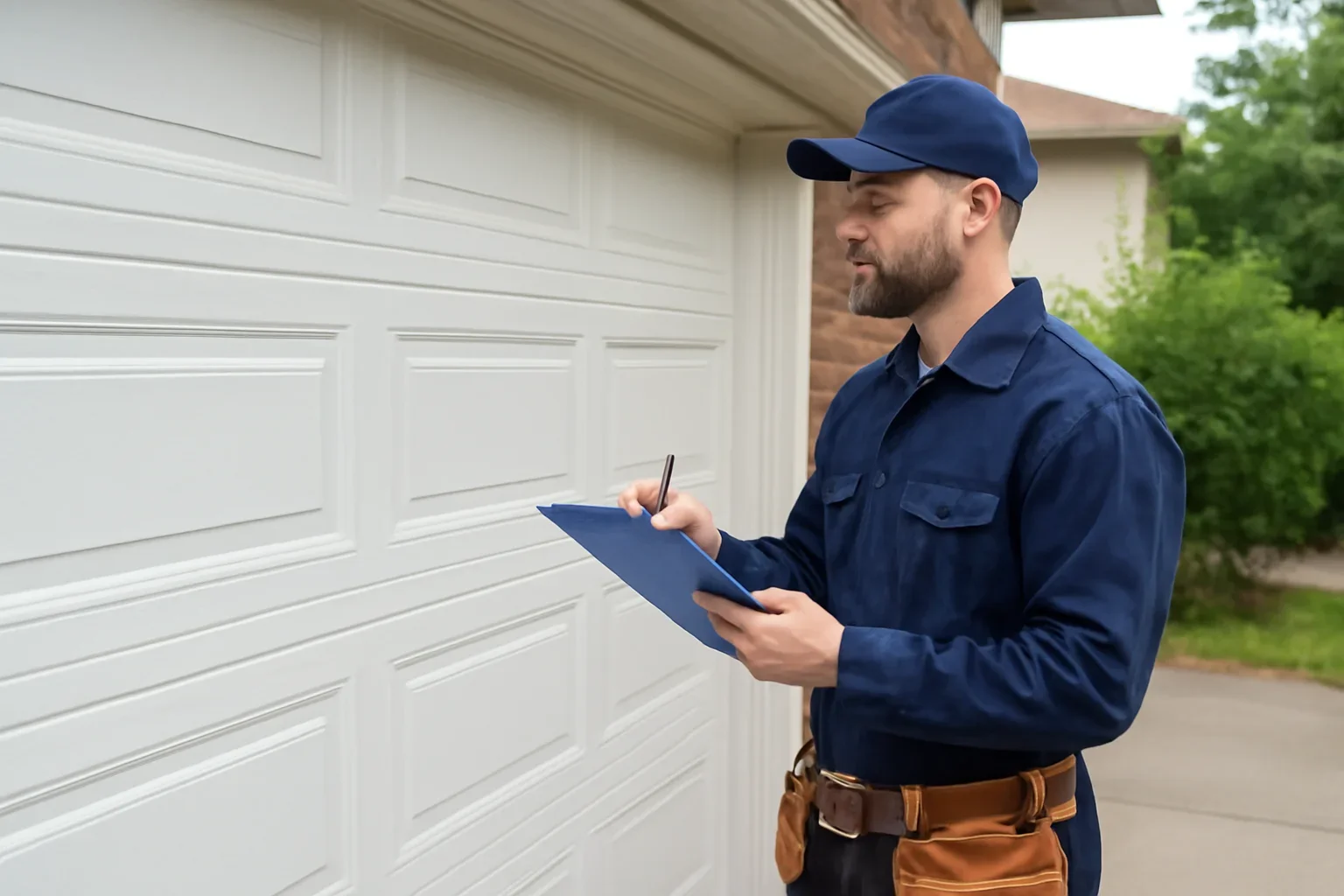
Whalley and Surrey City Centre have a different garage door profile from lower-density neighbourhoods. Door systems may serve older detached homes, townhomes, strata parking areas, mixed-use buildings, small commercial spaces, rear service access, and shared entrances where multiple people rely on the same door.
Around King George Boulevard, Fraser Highway, 104 Avenue, SkyTrain-linked areas, and City Centre development, access interruptions can affect parking, deliveries, tenant access, business operations, storage, or security. That is why maintenance should check the full system, not only lubricate visible parts.
For broader area information, visit Whalley and Surrey City Centre garage door services. For the citywide maintenance overview, see Garage Door Maintenance in Surrey.
Maintenance should look at the door as one connected system. A reliable door depends on springs, cables, tracks, rollers, opener settings, safety sensors, and seals working together.
The door is checked for heavy movement, uneven travel, spring fatigue, poor balance, and signs that the opener may be doing too much lifting.
Protect the lift systemCables, drums, bottom brackets, and lift components are checked for wear, fraying, looseness, corrosion, and uneven movement.
Catch risky wear earlyHigh-frequency use can create noisy rollers, loose hinges, track rubbing, shaking, and rough movement that should be corrected early.
Reduce noise and dragOpener travel, force settings, remotes, keypads, wall controls, safety sensors, auto-reverse, and closing behaviour are reviewed for safe operation.
Improve opener reliabilityMoving parts are lubricated where appropriate, and loose fasteners or hardware are tightened when it is safe and practical to do so.
Keep movement smootherBottom seals, side seals, daylight gaps, drafts, rain entry, and secure closing are checked, especially on shared access and service-access doors.
Improve protectionSafety note: if the door is crooked, hanging, has a loose cable, feels unusually heavy, or suddenly drops, do not treat it as routine maintenance. Stop using the opener and book a repair assessment.
The goal is to improve daily operation, identify worn parts early, and explain whether the door is safe, needs repair, or should be considered for replacement.
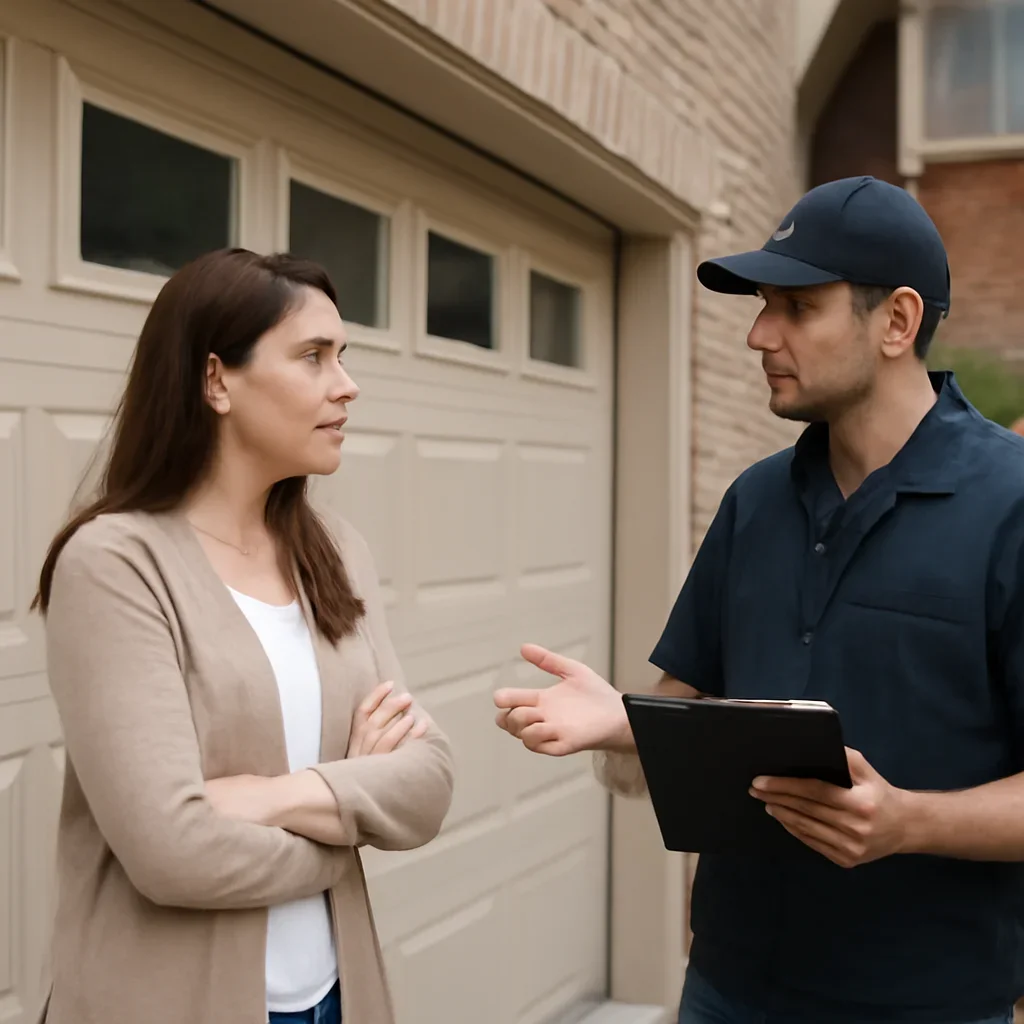
The visit starts with how the door is used and whether it affects home access, tenant access, parking, deliveries, storage, or service areas.
Springs, cables, rollers, hinges, tracks, drums, bearings, brackets, opener settings, sensors, seals, and hardware are reviewed together.
Moving parts are lubricated, loose hardware is checked, and minor adjustments are made where they fit the condition of the door.
You get practical guidance on what looks normal, what is wearing out, and whether opener service, spring repair, sensor work, or replacement should be planned.
In Whalley and Surrey City Centre, one garage door can affect several people or uses. A shared access door may support residents, tenants, staff, deliveries, parking, storage, or service access. When the door reverses, scrapes, refuses to close, or strains the opener, the problem can quickly become an access and security issue.
Maintenance is especially useful when you are not sure whether the door needs a simple tune-up, opener service, sensor troubleshooting, spring repair, track adjustment, weather seal work, or replacement. The inspection helps separate normal wear from issues that should be handled before they become urgent.
Doors used by multiple people need reliable operation, clear controls, and safe closing.
Scheduling, access, safety, and communication can matter as much as the tune-up itself.
Mature systems may need checks for balance, tracks, seals, cables, and opener strain.
Doors that reverse or refuse to close need sensor, opener, and door-path review.
Rear lanes, storage areas, and mixed-use access points need secure, dependable closing.
Frequent cycling can speed up spring, roller, cable, track, and opener wear.
You do not need to know the exact failed part. A clear description of the building, door behaviour, and access impact is enough to start.
Use this guide to describe the issue clearly. It helps separate routine maintenance from spring, opener, sensor, cable, track, seal, or replacement concerns.
| What you notice | What it may mean | Best next step |
|---|---|---|
| Door squeaks, rattles, grinds, or sounds rough | Dry moving parts, worn rollers, loose hinges, track friction, or high-frequency hardware wear | Book maintenance before movement damages other components. |
| Door feels heavy or does not stay balanced | Spring fatigue, cable wear, balance issue, or door weight problem | Stop forcing the opener and request spring/balance inspection. |
| Door shakes, scrapes, or moves unevenly | Track alignment, roller wear, hinge looseness, cable tension, or panel issue | Ask for a full system inspection, not only lubrication. |
| Door reverses, refuses to close, or has sensor trouble | Sensor alignment, track obstruction, opener setting, seal resistance, or wiring issue | Check the sensors, opener, and door movement together. |
| Shared-access door keeps needing service | The current system may not be holding up to frequent cycling | Compare repeated repair costs against a better maintenance or replacement plan. |
| Access control or service access is unreliable | The door, opener, sensors, controls, and hardware may need a full-system update | Request service advice based on the building and access needs. |
A maintenance call may reveal that the opener, spring system, track path, sensors, or door itself needs a more specific service. These pages can help you compare the right next step.
Best for remotes, keypads, wall controls, safety sensors, travel limits, opener motors, and doors that reverse or stop unexpectedly.
View opener repair 02Best for heavy doors, broken spring symptoms, crooked travel, sudden failure, and openers that can no longer lift the door safely.
View spring repair 03Best when the existing door is damaged, outdated, poorly sealed, repeatedly failing, or no longer worth ongoing maintenance.
View installationThese answers help homeowners, strata contacts, property managers, landlords, mixed-use property owners, and service-access users in Whalley and Surrey City Centre decide when maintenance is useful and when repair may be needed instead.
You may need maintenance if the door is noisy, shaky, slow, uneven, dry, unreliable, reversing, scraping, or used heavily each day. If the door is heavy, crooked, stuck, hanging, or has a loose cable, it may need repair rather than routine maintenance.
Yes. Shared-use and strata-style access can involve more frequent cycling, access coordination, safety checks, opener compatibility, sensor reliability, and scheduling considerations. The door should be maintained based on how many people rely on it.
Maintenance can help spot opener strain, sensor alignment problems, travel-limit issues, door resistance, and loose hardware. It cannot prevent every failure, but it can help find problems before they interrupt access.
Yes. Service-access doors need dependable closing, smooth movement, opener response, sensor function, and secure hardware because a failure can affect deliveries, storage, staff access, tenant access, or building operations.
Share your Whalley or Surrey City Centre location, property type, door age if known, opener type if known, the exact symptom, access impact, and whether the door is noisy, slow, heavy, uneven, reversing, scraping, leaking air, or used frequently each day.
You can review pricing guidance to understand what can affect garage door maintenance, opener work, repair, installation, and replacement costs.
Whether the door is noisy, dry, uneven, slow, heavy, reversing, scraping, straining the opener, hard to close, or affecting shared access, start with the symptom and how often the door is used. Surrey Garage Door can help route the visit toward maintenance, opener service, spring repair, sensor troubleshooting, track work, weather seal service, installation, or replacement advice.