Opening and access review
The opening width, height, headroom, side room, ceiling clearance, track path, floor contact, vehicle clearance, and site access pattern should be reviewed before the new door is selected.
Measure for real site use
Garage door installation in South Westminster needs to be planned around access, durability, and secure closing. This Surrey area includes industrial properties, service yards, warehouse-style spaces, transport-oriented sites near the Fraser River, commercial bays, and some residential pockets. Surrey Garage Door helps property owners, managers, and businesses choose and install garage doors that fit the opening, handle frequent use, work with the right operator, and protect the property when the door is closed.
Garage door installation in South Westminster should be planned around door size, site access, daily cycle count, secure closing, track layout, operator compatibility, spring balance, weather sealing, and hardware durability. If the current door is damaged, frequently repaired, hard to secure, or no longer reliable for daily work, replacement may be the better long-term option.
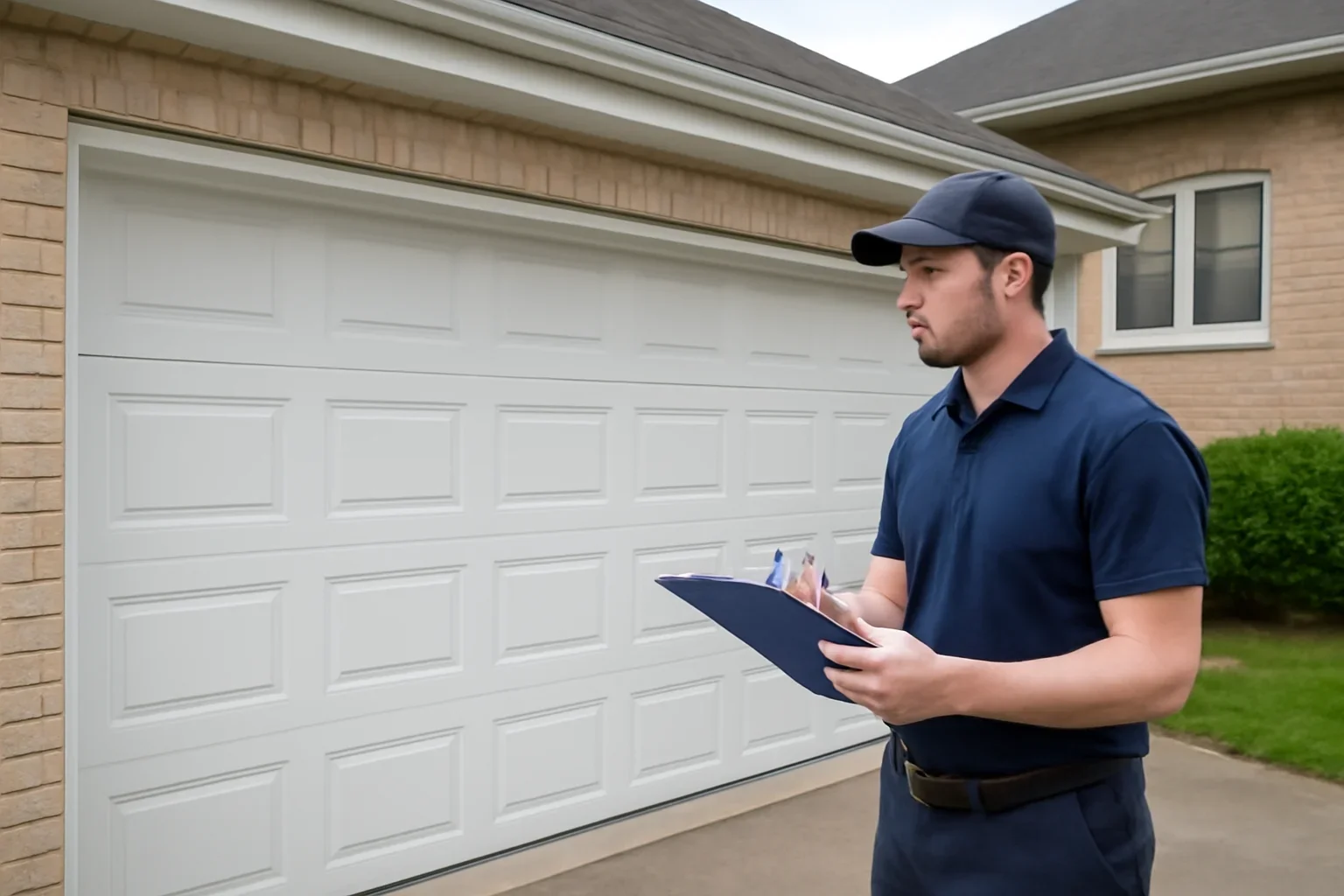
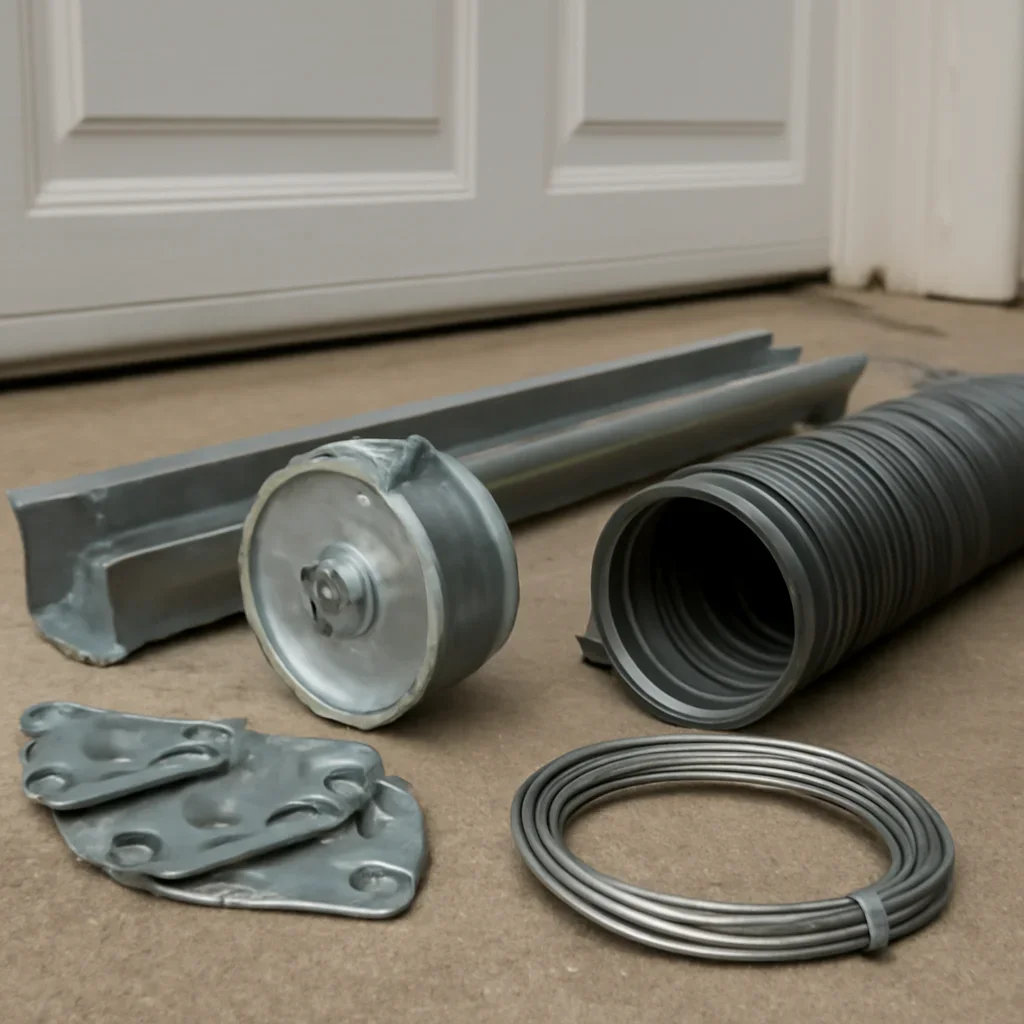
South Westminster has a different service profile than a quiet residential subdivision. Many garage doors here are tied to business access, work vehicles, storage areas, service bays, equipment movement, and site security. When a door does not open, close, or lock correctly, the problem can affect operations immediately.
Industrial traffic, heavier daily use, river-area moisture, and yard-style access can put more stress on tracks, rollers, operators, springs, seals, and bottom hardware. A new door should be selected and installed to match the opening and the actual site use, not just the basic door size.
For more neighbourhood-specific help, visit South Westminster garage door services. For the broader citywide service explanation, see Garage Door Installation in Surrey.
A good installation starts with the full system. The door, operator, springs, tracks, rollers, seals, hardware, opening conditions, and daily use pattern all need to work together.
The opening width, height, headroom, side room, ceiling clearance, track path, floor contact, vehicle clearance, and site access pattern should be reviewed before the new door is selected.
Measure for real site useSectional, overhead, insulated, steel, and commercial-style doors should be compared based on durability, security, use frequency, weather exposure, and budget.
Choose the right door typeThe operator should be matched to the new door’s weight, cycle needs, safety requirements, control setup, travel limits, and daily access expectations.
Support reliable operationTracks, springs, rollers, hinges, brackets, cables, and drums should be installed and aligned so the door moves smoothly instead of binding, shaking, or pulling off track.
Install the lift system correctlyBottom seals, side seals, top seals, door alignment, and closing position should be checked so the door protects the space from weather, debris, pests, and unauthorized access.
Improve protection and closureThe installed door should be balanced, tested, fine-tuned, and checked for smooth travel, secure closing, operator response, and safe operation before sign-off.
Confirm safe daily useInstallation note: in South Westminster, a replacement should be planned around uptime and security. If the current door has repeated operator issues, track damage, failed seals, or unreliable closing, replacing the panels alone may not solve the real problem.
Not sure if you need a new door or a focused repair? Describe the door type, site use, current damage, operator issue, and whether access or security is affected.
The goal is to install a garage door that fits the site, handles daily use, closes securely, and reduces future downtime.
The existing door, operator, springs, tracks, rollers, seals, damage, opening size, clearance, and access needs are reviewed before the best next step is recommended.
You get practical guidance on door type, material, insulation, operator compatibility, hardware durability, security needs, and long-term value.
Tracks, springs, panels, rollers, hinges, seals, brackets, cables, and operator connection are installed and aligned for the selected door.
Door balance, operator response, travel limits, seal contact, smooth movement, secure closing, and safe operation are checked before completion.
Many South Westminster installation calls begin after repeated repairs. A door may still move, but it may be dented, hard to secure, unreliable with the operator, damaged along the track, noisy under load, or no longer strong enough for the way the site is used.
The right replacement should reduce downtime and improve access control. For commercial bays, service yards, and mixed-use properties, that often means thinking carefully about operator strength, track layout, hardware durability, seals, and whether the door needs to support frequent daily cycles.
Door size, operator strength, and daily access needs should guide the installation.
Secure closing and durable hardware matter when tools, vehicles, or inventory are stored onsite.
Frequent vehicle movement can increase wear on tracks, rollers, springs, and operators.
Wet conditions can make seals, corrosion checks, and hardware condition more important.
Recurring scraping, binding, or off-track movement may point to replacement or full-system repair.
A door that will not close, latch, or seal properly should be treated as a priority.
You do not need exact technical terms. A clear description of your door, site, and access issue is enough to start.
Use this guide to decide whether installation should be your next step or whether a focused repair may still solve the issue.
| What you notice | What it may mean | Best next step |
|---|---|---|
| Door panels are bent, dented, cracked, rusted, or no longer secure | The door may no longer protect the space reliably | Compare replacement options before paying for another repair. |
| The operator strains, hums, stops, or fails under load | Operator mismatch, door balance issue, spring wear, or mechanical resistance | Check operator compatibility and door balance before installing a new door. |
| The door binds, scrapes, or comes off track | Track damage, roller wear, impact damage, alignment trouble, or structural movement | Request a full system diagnosis to decide between repair and replacement. |
| The door does not close securely or leaves gaps | Seal wear, poor floor contact, door damage, track movement, or alignment issue | Ask for seal, closing-position, and replacement-fit guidance. |
| The door is used many times per day | The existing hardware may not match the site’s cycle demands | Consider a more durable door, hardware, and operator setup. |
| You keep paying for heavy-duty repairs | The system may be aging as a whole | Review replacement cost against another short-term repair. |
A new door may solve the main issue, but opener, spring, commercial repair, and pricing questions often come up before the final decision.
Best for operator issues, remotes, wall controls, safety sensors, travel limits, humming motors, and doors that struggle to open or close.
View opener repair 02Best for heavy doors, sudden failure, crooked travel, broken spring symptoms, loose cables, and doors the operator can no longer lift safely.
View spring repair 03Useful when the issue involves a commercial bay, service yard, warehouse-style opening, damaged track, operator trouble, or secure closing problem.
View commercial repairThese answers help South Westminster property owners, managers, landlords, and businesses decide whether to repair, replace, or request installation advice.
You may need installation if the existing door is damaged, unreliable, poorly sealed, hard to secure, frequently off track, repeatedly breaking down, or no longer suitable for the way the property is used. A proper assessment should consider the door, operator, springs, tracks, rollers, seals, opening size, and daily access needs.
Often, yes. South Westminster includes commercial bays, service yards, warehouse-style spaces, transport-oriented properties, and some residential pockets. The right installation should match the door size, operator, hardware strength, security needs, and daily cycle demands.
Yes. A properly selected and installed door can improve alignment, seal contact, operator travel, and secure closing. If the current door is damaged, bent, worn, or repeatedly failing, replacement may be more reliable than another short-term adjustment.
Sometimes. The operator should be checked for power, condition, travel settings, safety features, cycle needs, and compatibility with the new door weight. If the operator is worn, underpowered, or already struggling, it may need adjustment or replacement.
Repair may make sense if the issue is limited to one serviceable part and the door is still safe, balanced, and secure. Replacement may be better if the door has damaged panels, repeated failures, poor sealing, track damage, operator strain, or security concerns.
Start with the South Westminster local hub for neighbourhood-specific service information, then compare the main Garage Door Installation in Surrey page for the broader citywide explanation.
Whether your current door is damaged, unreliable, hard to secure, frequently off track, failing with the operator, or no longer suitable for daily site use, Surrey Garage Door can help you choose the right installation path.