Door stuck open or closed
A stuck door can block parking, deliveries, storage, a service entrance, or a work vehicle. The inspection should check the lift system, tracks, rollers, cables, spring balance, and opener.
Restore safe access
A failed commercial garage door can interrupt deliveries, block a service entrance, trap a work vehicle, or leave stock and equipment exposed. Surrey Garage Door helps Guildford businesses, strata representatives, landlords, property managers, and owners identify the problem and choose a practical repair path.
If an overhead, sectional, roll-up, or commercial-style garage door in Guildford is heavy, jammed, uneven, unusually loud, or unable to close securely, stop forcing it. When booking, explain the property type, door type, current position, exact symptom, and whether staff, vehicles, deliveries, tenants, or security are affected.
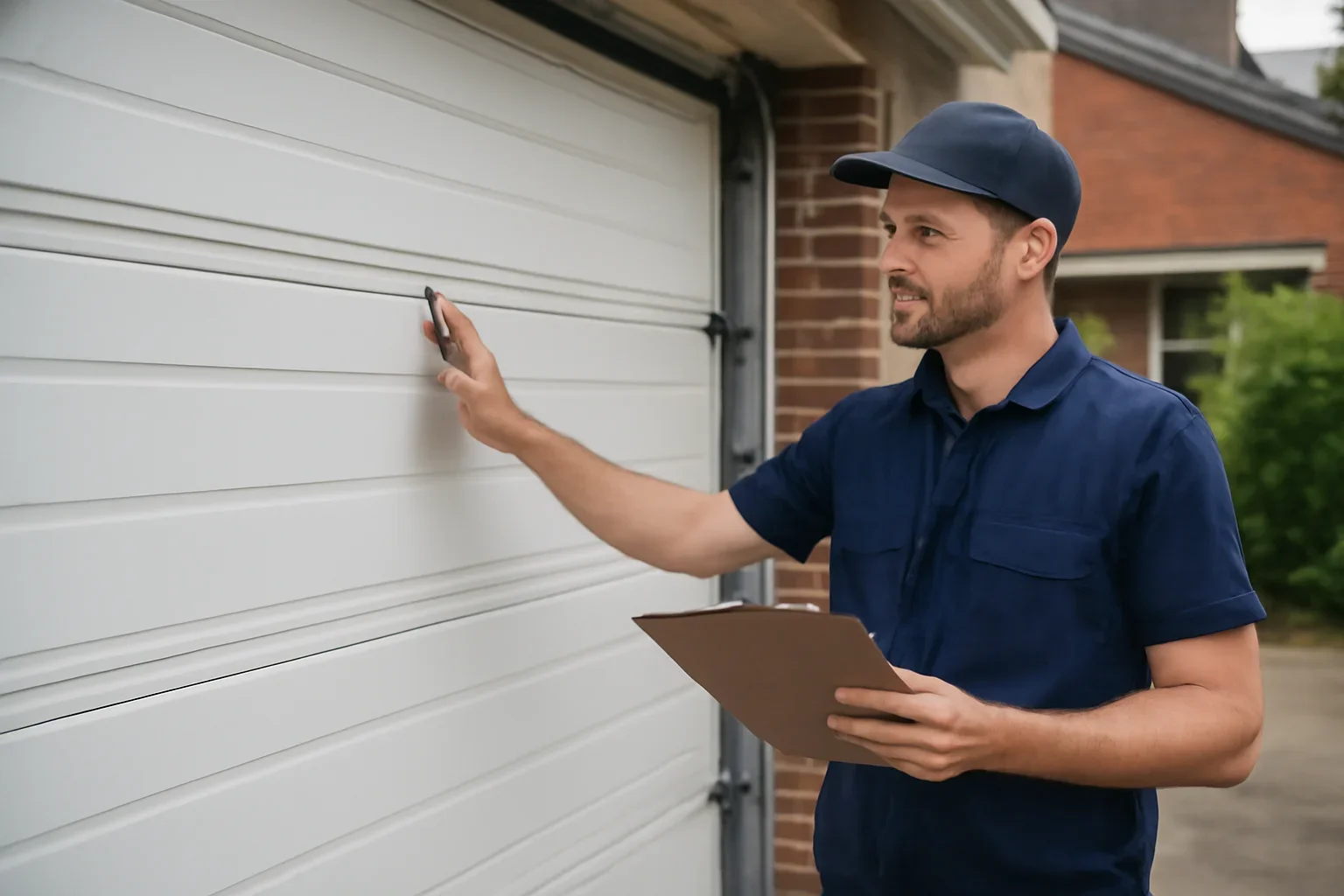
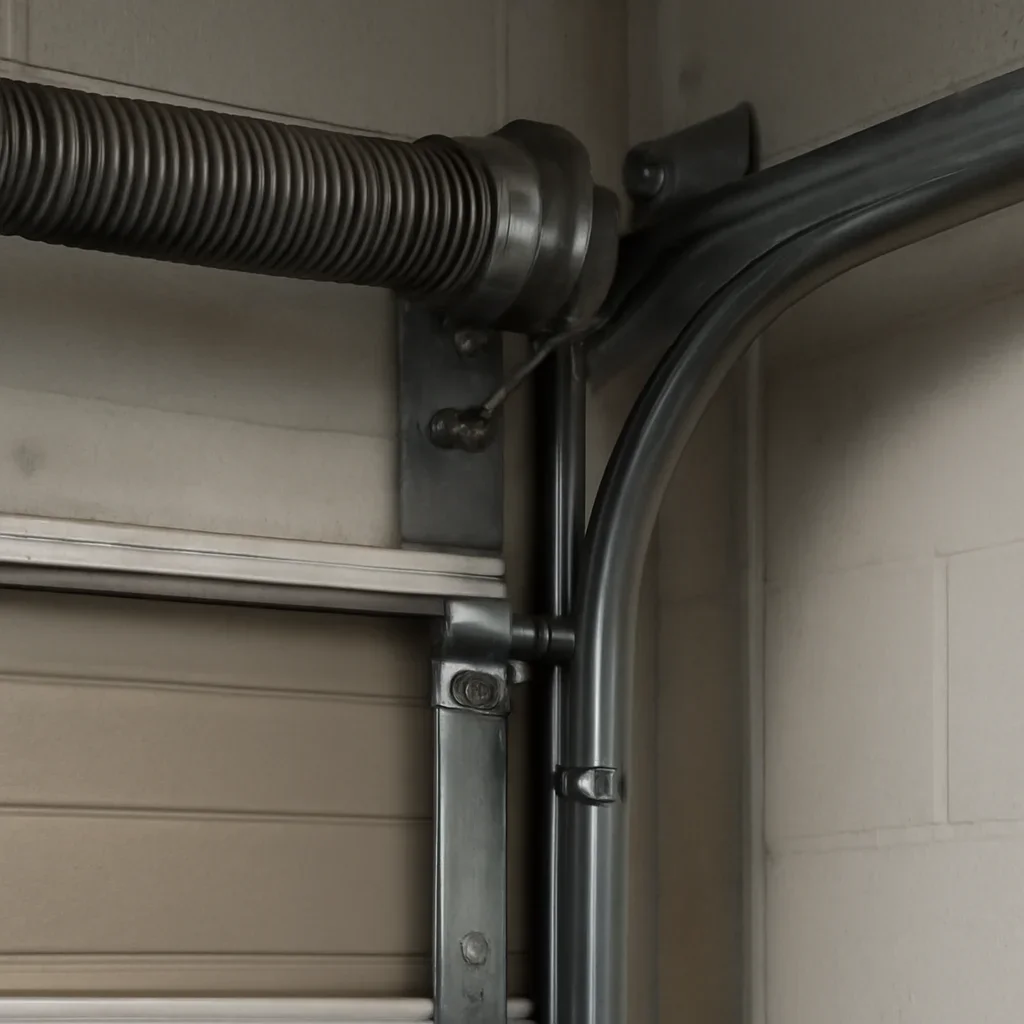
Guildford combines mature residential neighbourhoods, strata developments, retail activity, professional spaces, storage areas, and businesses near major routes such as 104 Avenue, 152 Street, and Highway 1.
A garage door repair request may involve a rear commercial entrance, shared parking garage, mixed-use property, contractor vehicle, storage space, service bay, or commercial-style door connected to a residential property.
Frequent opening cycles, older moving hardware, vehicle contact, weather exposure, and an incorrectly balanced door can place extra strain on rollers, tracks, hinges, springs, cables, controls, and opener motors.
Visit Guildford garage door services for broader local information, or review Commercial Garage Door Repair in Surrey for the main citywide service page.
A visible symptom does not always identify the failed component. The door, lifting hardware, tracks, opener, controls, seals, and safety devices should be assessed as one connected system.
A stuck door can block parking, deliveries, storage, a service entrance, or a work vehicle. The inspection should check the lift system, tracks, rollers, cables, spring balance, and opener.
Restore safe accessA door that drops, rises unevenly, feels unusually heavy, or hangs crooked may have a spring, cable, drum, bracket, track, or balance problem.
Inspect the lifting systemRemotes, keypads, receivers, sensors, wall controls, travel limits, wiring, and the opener motor can all affect reliable access and secure closing.
Test controls and safetyScraping, shaking, grinding, or binding may indicate worn rollers, loose hinges, damaged brackets, or track alignment trouble.
Correct rough movementBent sections, visible gaps, water, drafts, pests, or daylight may indicate impact damage, worn seals, poor alignment, or uneven floor contact.
Improve secure closureRepeated failures, major panel damage, poor sealing, outdated controls, or ongoing opener strain may make replacement more practical than another isolated repair.
Compare long-term optionsDo not repeatedly press the opener or attempt to lift a heavy, crooked, hanging, or off-track door. Damaged springs, loose cables, unstable panels, and failed brackets can move unexpectedly.
The goal is to identify the actual failure, restore safe operation, and explain any related wear that could lead to another problem.
The first step is understanding the door position, property type, symptom, and whether access, vehicles, staff, tenants, deliveries, or security are affected.
Springs, cables, tracks, rollers, hinges, panels, seals, opener settings, controls, sensors, and safety functions are reviewed.
The recommendation should explain what failed, what needs immediate attention, and whether related components should be repaired together.
Balance, travel, secure closing, opener response, controls, sensors, and automatic reversal should be tested after approved work.
The area around Guildford Town Centre includes retail properties, professional spaces, mature residential neighbourhoods, strata developments, mixed-use buildings, and businesses connected to major commuter and delivery routes.
A repair call may involve a shared parking entrance, rear service door, storage garage, contractor vehicle garage, loading access, retail support area, or commercial-style door used several times each day.
The repair decision should account for the door’s size, weight, construction, opening frequency, opener capacity, hardware condition, clearance, and the consequences of losing access.
A rear door may support deliveries, stock movement, waste collection, storage, or employee access.
One failed door can affect residents, commercial tenants, parking, deliveries, and building security.
Frequent operation can increase wear on controls, sensors, openers, rollers, cables, and springs.
A door stuck closed may trap a work vehicle, tools, or equipment needed for scheduled jobs.
Older hardware may require a broader inspection when several components show wear at the same time.
Vehicle contact, track movement, or poor alignment can damage sections and prevent secure closing.
You do not need to identify the failed component. A clear description of the door and how it is behaving is more useful than guessing.
Use the visible symptom to describe the issue clearly so the complete garage door system can be inspected.
| What you notice | What may be involved | Recommended next step |
|---|---|---|
| Door is heavy, crooked, or drops quickly | Spring, cable, drum, bracket, or balance problem | Stop using the opener and request an inspection. |
| Opener runs but the door barely moves | Opener strain, poor balance, or mechanical resistance | Avoid repeated attempts and arrange diagnosis. |
| Door reverses or will not close fully | Sensor, obstruction, travel setting, track, or seal issue | Check for a visible blockage, then request service. |
| Door shakes, scrapes, grinds, or binds | Roller, hinge, track, bracket, or alignment wear | Book service before additional components are damaged. |
| Remote, keypad, or wall control is unreliable | Programming, receiver, wiring, sensor, or opener issue | Explain which controls still operate the door. |
| A section is bent, dented, or misaligned | Impact damage, hinge stress, track movement, or panel failure | Avoid operation if the damaged section catches or binds. |
| Water, drafts, or daylight enter around the door | Worn seals, damaged sections, or poor alignment | Request a seal and closing-position inspection. |
A commercial door problem may begin with one symptom but ultimately require opener work, spring repair, or replacement planning.
For failed remotes, keypads, wall controls, receivers, sensors, motors, travel settings, and doors that stop or reverse.
View opener repair 02For heavy doors, uneven movement, broken-spring symptoms, loose cables, or doors the opener can no longer lift safely.
View spring repair 03For doors that are damaged, repeatedly failing, poorly sealed, outdated, or no longer suitable for the property.
View installationAnswers for Guildford businesses, landlords, strata representatives, property managers, and owners.
Commercial repair may be appropriate when a business, mixed-use property, strata garage, shared parking area, service entrance, storage space, or frequently used garage has a door that is stuck, heavy, crooked, noisy, damaged, or off track.
Same-day scheduling may be available depending on technician routing, existing appointments, required parts, and the urgency of the problem.
No. A heavy or crooked door may have a spring, cable, drum, track, bracket, or balance problem. Continued operation may damage the opener and other components.
Yes. Controls, sensors, receivers, programming, wiring, travel settings, and opener components can interrupt operation even when the panels and tracks appear normal.
It depends on the section design, structural condition, track alignment, availability of a compatible panel, and whether the damage affects safe movement or secure closing.
Repair may make sense when the fault is isolated. Replacement may provide better long-term value when several sections are damaged, the door repeatedly fails, or it no longer seals, balances, or aligns correctly.
Review the garage door pricing guidance for factors that can affect repair, opener, spring, panel, installation, and replacement costs.
Explain whether the door is stuck, heavy, noisy, crooked, dented, reversing, leaking, or not responding. Include the effect on access, staff, tenants, deliveries, vehicles, equipment, storage, or property security.
