Door stuck open or closed
A stuck door may trap a vehicle, block equipment access, or leave a detached building unsecured. The lift system, tracks, rollers, controls, and opener should be checked together.

A failed commercial-style garage door can block access to a workshop, storage building, detached garage, service area, or vehicle space. Surrey Garage Door helps Elgin Chantrell property owners and managers identify the cause and choose a practical repair path.
If the door is stuck, unusually heavy, hanging unevenly, making harsh noises, or unable to close securely, stop forcing it. Provide the door size, exact symptom, building type, and whether access or security is affected.
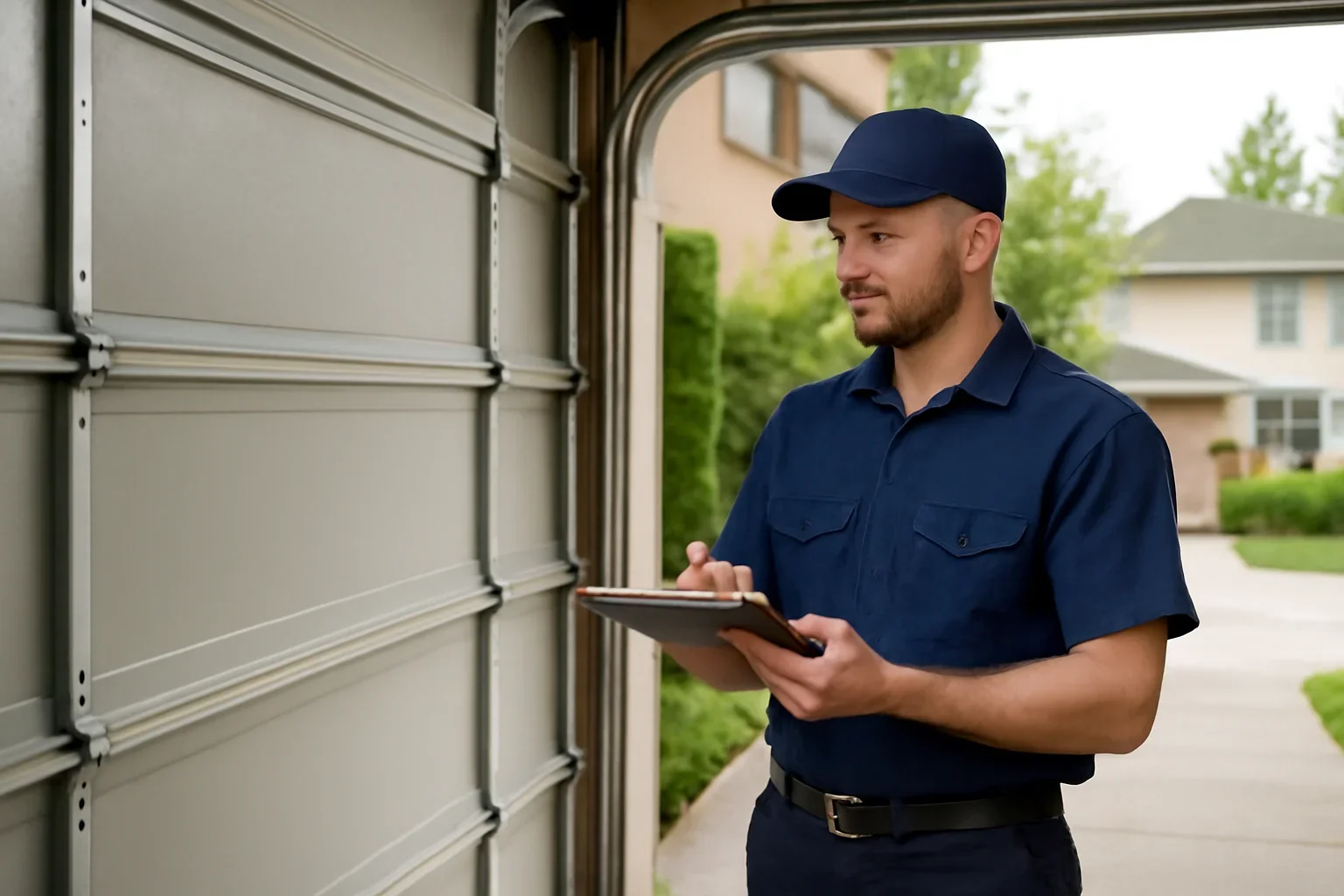
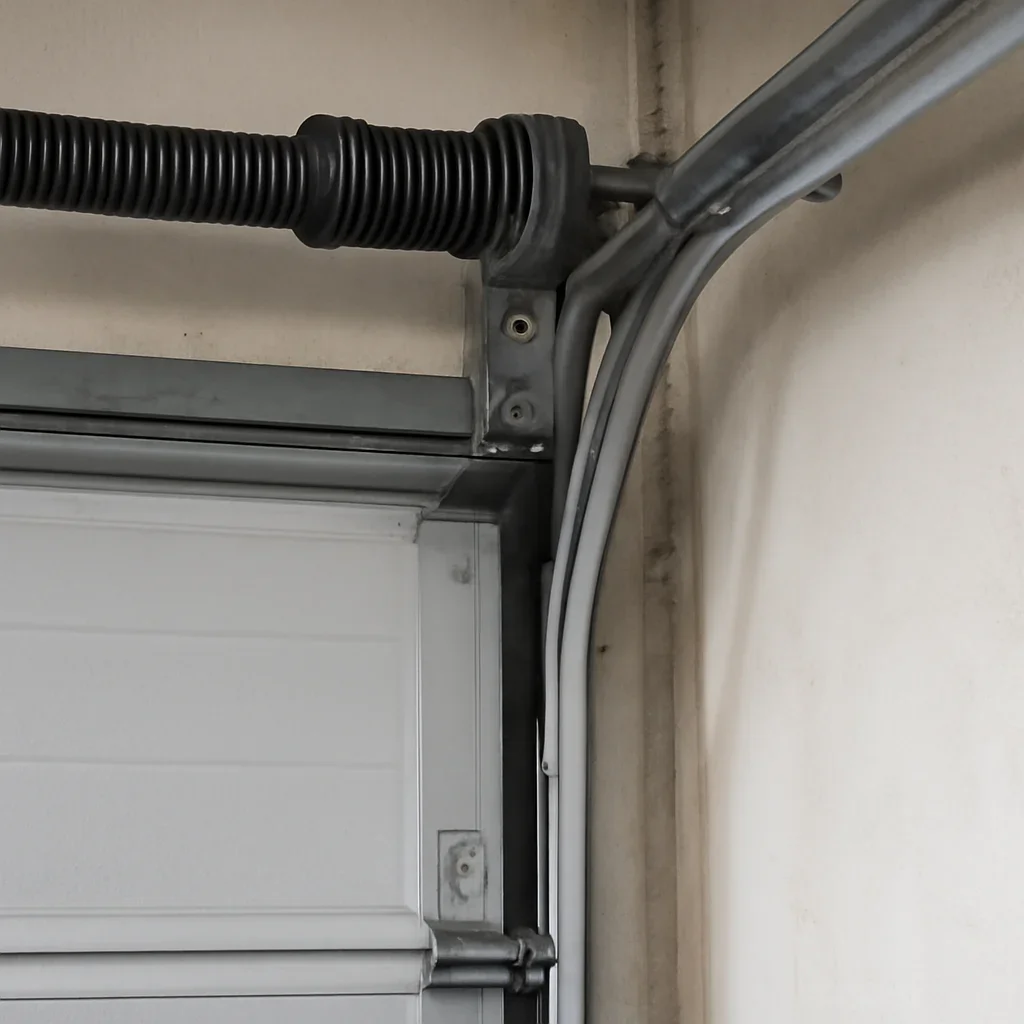
Elgin Chantrell is primarily a low-density South Surrey neighbourhood. Local commercial garage door needs are therefore more likely to involve detached workshops, accessory buildings, storage structures, larger garages, property-maintenance spaces, or home-based business use than traditional loading docks.
Larger lots may also include long driveways, gated entrances, landscaping, detached buildings, and limited turnaround space. These details can affect technician access and should be mentioned when arranging service.
Some local doors are wider, heavier, insulated, or selected to match a custom exterior. Repair recommendations should consider safe operation, hardware capacity, noise, sealing, appearance, and the long-term condition of the full system.
Learn more about Elgin Chantrell garage door services or review the main commercial garage door repair service in Surrey.
Describe the door dimensions, building use, weight, and number of daily cycles. A door can require commercial-style parts even when it is installed on a residential property.
A garage door should be evaluated as a complete system. The most visible damaged part may not be the underlying cause of the problem.
A stuck door may trap a vehicle, block equipment access, or leave a detached building unsecured. The lift system, tracks, rollers, controls, and opener should be checked together.
A heavy, crooked, or rapidly dropping door may have a spring, cable, drum, or balance problem. Do not use the opener to force a door that cannot support its own weight.
Remotes, keypads, wall controls, sensors, travel settings, receivers, or motors can fail even when the visible door sections appear undamaged.
Scraping, shaking, grinding, or popping can indicate worn rollers, loose hinges, damaged tracks, poor alignment, or weakened fasteners.
Water, drafts, pests, or visible gaps may point to worn seals, uneven floor contact, panel damage, track movement, or poor closing alignment.
Repeated failures, obsolete parts, damaged sections, poor insulation, or an incorrectly sized opener may make replacement a better long-term decision.
Do not stand under, pull on, or repeatedly operate a crooked, hanging, off-track, or unusually heavy door. Keep people away from the opening until it has been inspected.
The repair process should identify the real cause, explain the available options, and confirm safe operation before completion.
Explain whether the door is stuck, heavy, crooked, noisy, damaged, reversing, leaking, or blocking access.
Springs, cables, tracks, rollers, hinges, brackets, panels, seals, controls, sensors, and opener settings are reviewed.
The technician explains whether focused repair, broader hardware work, opener service, or replacement is appropriate.
Balance, travel, closing position, opener response, auto-reverse, controls, noise, and secure operation are checked.
The area’s lower-density properties can create different repair situations than those found in a conventional industrial district.
Wider and heavier workshop doors require correctly sized lift components and openers.
A door that cannot close may expose tools, equipment, stored items, or service vehicles.
Frequent access to vehicles, equipment, or stock can create higher door-cycle demands.
Detached buildings may use non-standard door sizes, framing, tracks, and opener configurations.
Decorative hardware, carriage-style finishes, custom colours, and premium sections can affect repair decisions.
Gates, long driveways, landscaping, parked vehicles, and limited turnaround space should be disclosed when booking.
Use the table below to describe the issue when requesting service in Elgin Chantrell.
| What you notice | Possible issue | Recommended action |
|---|---|---|
| Door is heavy, crooked, or drops quickly | Spring, cable, drum, bracket, or balance problem | Stop using the opener and request an inspection. |
| Motor runs but the door barely moves | Opener strain, trolley failure, resistance, or poor balance | Avoid repeatedly activating the opener. |
| Door reverses or will not close | Sensor, obstruction, travel limit, seal, or track problem | Remove visible obstructions and request troubleshooting. |
| Door scrapes, shakes, grinds, or pops | Roller, hinge, track, fastener, or alignment wear | Book service before additional components are damaged. |
| Water, air, pests, or debris enter | Worn seals, uneven floor contact, gaps, or poor alignment | Request a seal and closing-position inspection. |
| The same failure keeps returning | Aging components, structural damage, or poor opener match | Compare the repair cost with replacement. |
Review these Elgin Chantrell service pages when the main symptom involves the opener, spring system, or condition of the complete door.
For remote, keypad, wall-control, motor, sensor, receiver, travel-limit, and reversing problems.
View opener repair → 02For heavy doors, broken-spring symptoms, crooked travel, loose cables, or doors the opener cannot lift.
View spring repair → 03For extensively damaged, outdated, poorly sealed, repeatedly failing, or unsuitable doors.
View installation →Common questions about commercial-style garage door repair in Elgin Chantrell.
Commercial-style repair may be appropriate when the door serves a workshop, accessory building, storage space, service area, shared facility, home-based business, or another large or frequently used opening.
Elgin Chantrell is primarily a low-density residential neighbourhood. Commercial-style doors may still be found on detached workshops, storage buildings, accessory structures, larger garages, and home-based business properties.
Same-day availability depends on technician routing, scheduling, parts, property access, and urgency. State clearly when the door is blocking access or leaving a building unsecured.
No. A heavy or crooked door may have spring, cable, drum, track, or balance trouble. Repeated opener use may strain the motor and cause further damage.
Many mechanical repairs can be completed without replacing visible door sections. When panels or decorative parts are damaged, material availability and colour matching may affect the options.
Replacement may be worth comparing when the door has repeated failures, major panel damage, obsolete components, poor sealing, extensive corrosion, or an incorrectly matched opener.
Visit the garage door pricing guidance page for information about factors that may affect repair, opener, spring, installation, and replacement costs.
Explain whether the door is stuck, heavy, crooked, noisy, damaged, leaking, reversing, or unsafe. Include the building type, door size, access conditions, and whether a vehicle, workshop, storage area, or secure entrance is affected.