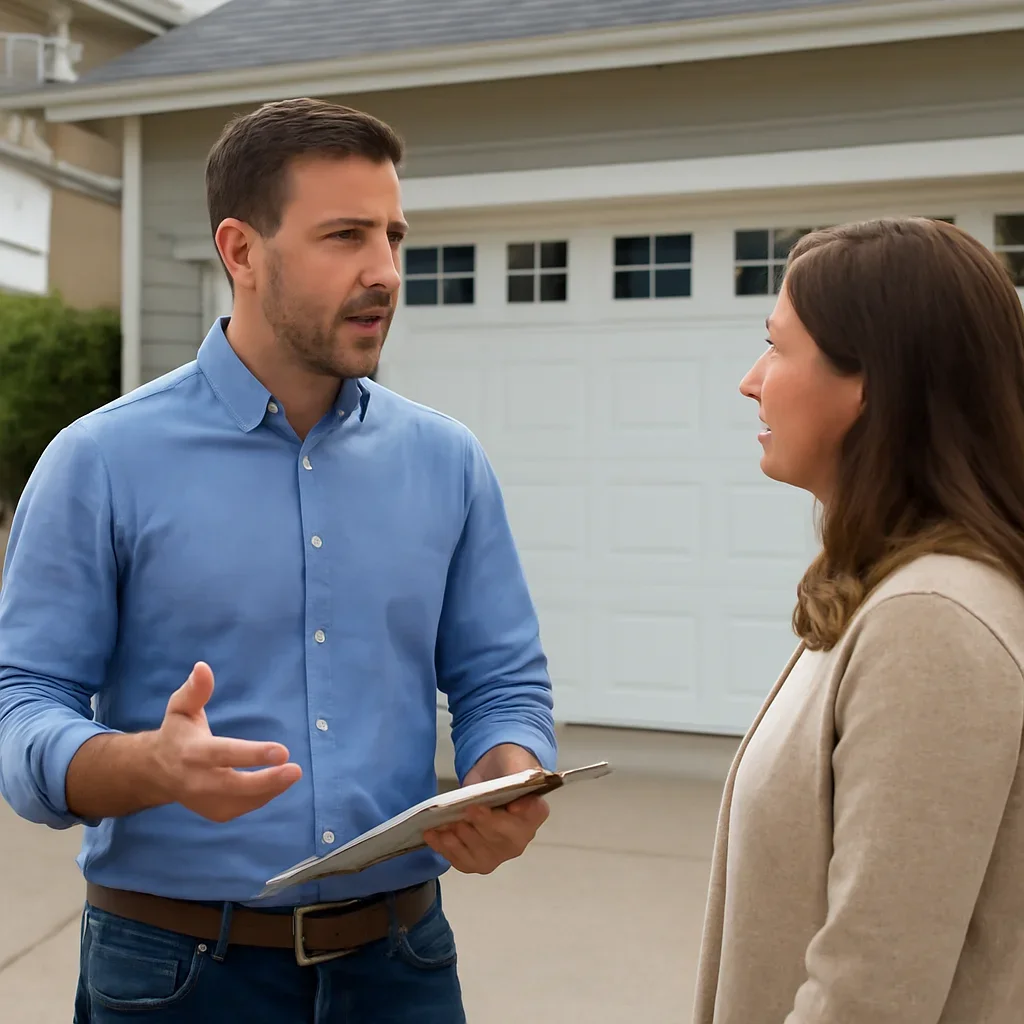
Door stuck open or closed
A stuck door can trap a vehicle, interrupt household access, or leave the garage unsecured. The springs, cables, tracks, rollers, opener, and door balance should be inspected together.
Restore access and security
Garage door repair in Sunnyside often involves a mix of mature detached homes, updated properties, townhomes, attached garages, older door hardware, and newer insulated sectional doors. A small change in sound, balance, sealing, or opener response can quickly affect parking, household access, storage, security, and the appearance of a street-facing garage.
If your Sunnyside garage door is heavy, crooked, stuck, reversing, making a new grinding sound, or failing to close securely, stop forcing it. The issue may require spring repair, opener repair, or garage door maintenance.
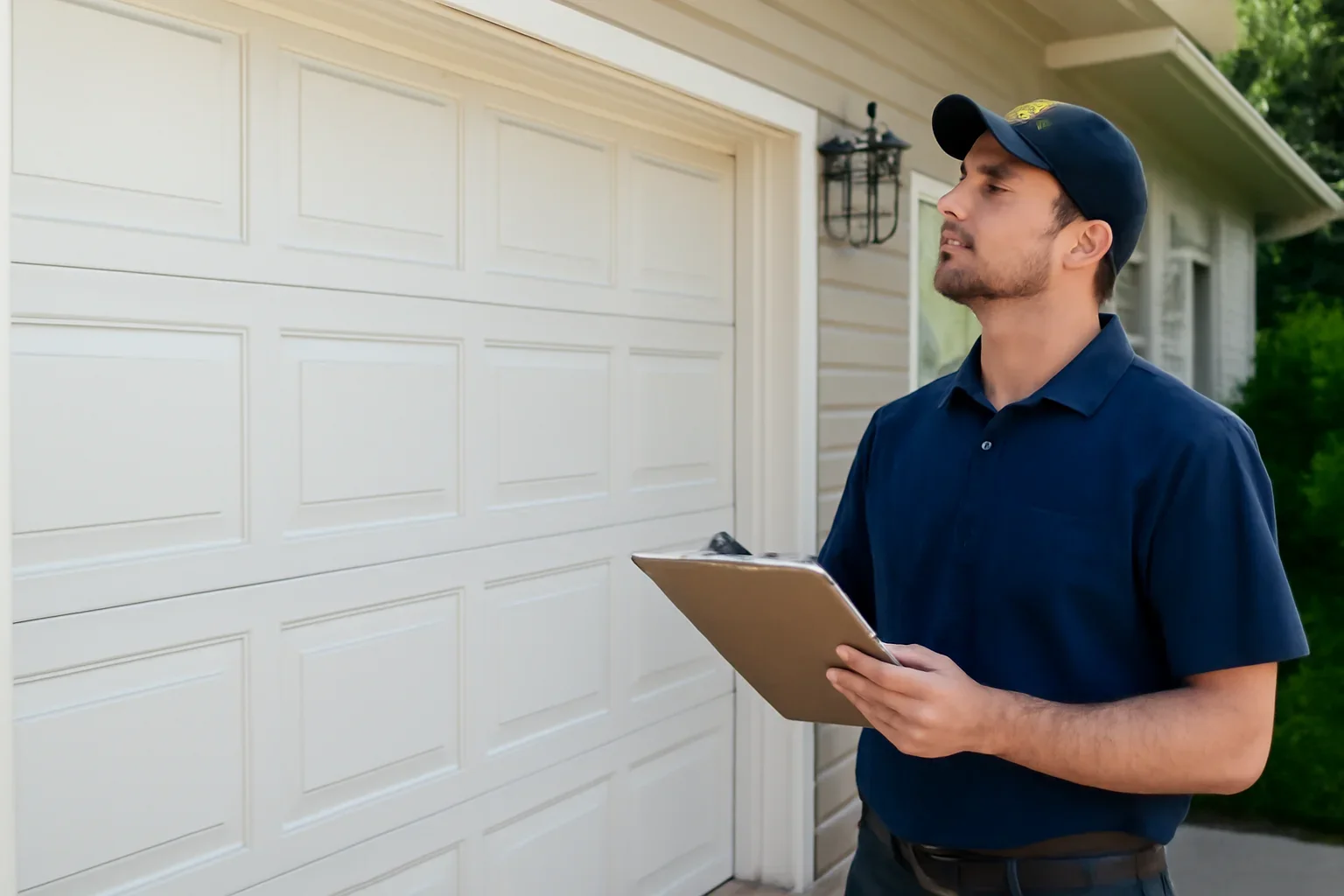
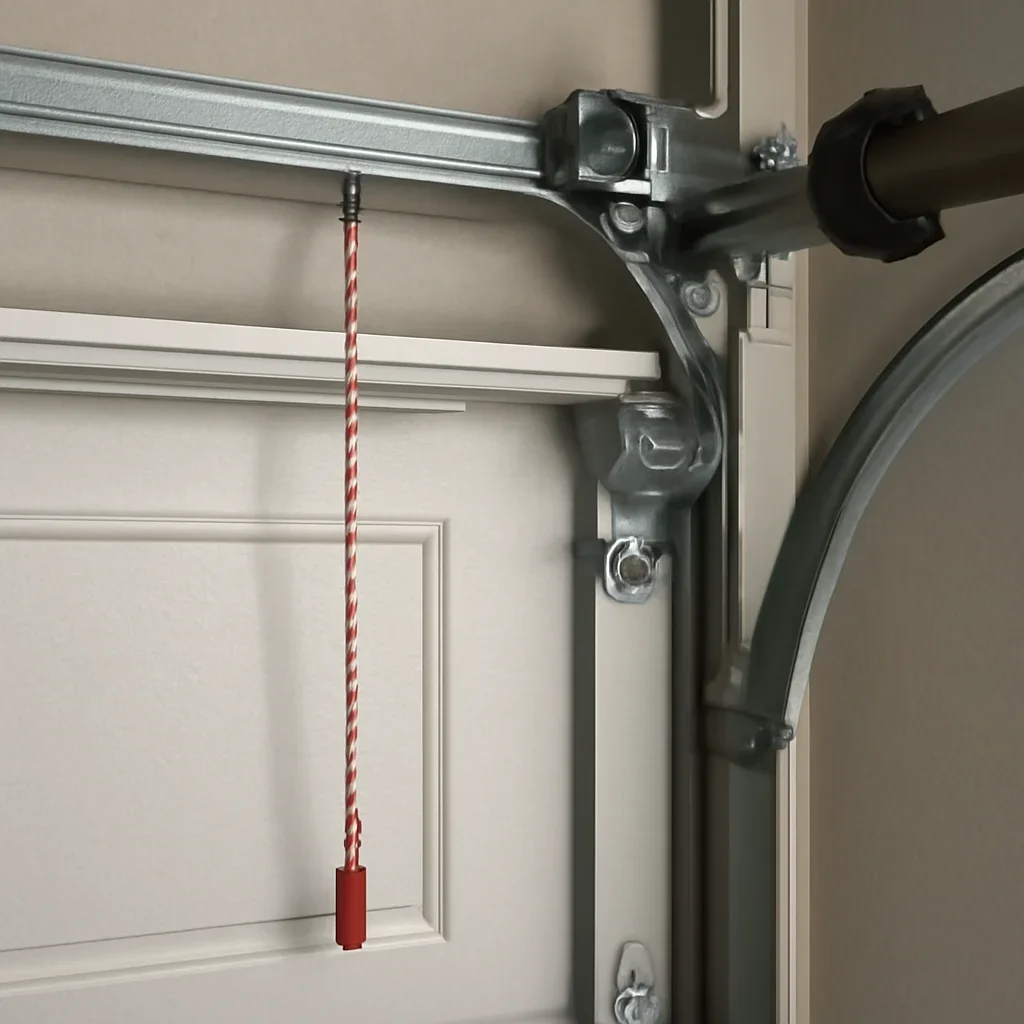
Sunnyside is primarily residential, but its mix of older and newer housing means garage doors can vary widely in age, material, insulation, hardware, and opener technology. A mature door may have serviceable panels but aging springs, rollers, cables, seals, or tracks, while a newer system may develop sensor, limit-setting, remote, or opener-control issues.
Homes around established South Surrey streets may also rely on the garage as a regular household entrance. When a door begins closing unevenly, making more noise, allowing water or cold air around the edges, or requiring repeated remote attempts, the problem can affect more than vehicle storage.
For broader citywide repair information, review garage door repair in Surrey.
A garage door operates as one connected system. The visible symptom may come from the spring, cable, opener, track, roller, sensor, panel, seal, or balance of the door rather than one isolated part.
A stuck door can trap a vehicle, interrupt household access, or leave the garage unsecured. The springs, cables, tracks, rollers, opener, and door balance should be inspected together.
Restore access and securityA door that feels heavy, drops quickly, sits crooked, or only rises a short distance may have a spring, cable, drum, bracket, or balance problem.
Check the lift system firstReversing, flashing lights, remote failure, keypad trouble, humming, delayed movement, or incomplete closing may involve sensors, controls, settings, or opener strain.
Test controls and safety devicesGrinding, scraping, rattling, shaking, or uneven movement may come from worn rollers, loose hinges, dry hardware, shifted tracks, or alignment trouble.
Address movement problems earlyWater, daylight, cold air, pests, or debris entering around the door can indicate worn seals, uneven floor contact, damaged panels, or poor closing alignment.
Improve weather protectionRepeated failures may point to aging hardware, damaged sections, a mismatched opener, unavailable parts, or a door approaching the end of its practical service life.
Avoid paying for the same issue twiceSafety note: do not continue operating a door that is hanging unevenly, off track, unusually heavy, or showing a loose cable. Keep people and vehicles clear and avoid touching springs, cables, drums, tracks, or bottom brackets.
The goal is to identify the real cause, restore safe movement, and explain whether repair, adjustment, maintenance, or replacement offers the best long-term value.
Start with what the door is doing: stuck, noisy, slow, crooked, reversing, damaged, leaking, or failing to close.
Springs, cables, tracks, rollers, hinges, brackets, panels, opener settings, sensors, controls, and seals are reviewed.
The recommendation should separate an isolated failure from broader wear or a door that may be approaching replacement.
Balance, travel, closing position, opener response, auto-reverse, controls, and safety devices should be checked.
Many Sunnyside repair calls begin with a door that still moves but no longer sounds, seals, or travels the way it should. The homeowner may notice extra vibration, slower movement, visible gaps, roller noise, inconsistent remote response, or a door that needs several attempts before closing.
These early symptoms matter when the garage is used for daily parking, storage, bicycles, home projects, household entry, or access to equipment. Correcting developing wear can prevent a complete failure at an inconvenient time.
Older doors may combine original tracks or panels with newer springs, controls, or opener systems.
Noise, vibration, drafts, and unreliable closing can directly affect the living space.
A newer opener may still struggle if the older door is heavy, unbalanced, or poorly aligned.
Panel damage, gaps, crooked travel, and poor closing can affect security and curb appeal.
Moisture and debris can make seal wear, corrosion, track contamination, and sensor trouble more noticeable.
Shared or frequent use can increase wear and may require clear access and repair coordination.
You do not need to diagnose the failed component. A clear description of the door, symptom, and effect on the property gives the technician a useful starting point.
Use the visible symptom to describe the issue clearly. This helps separate opener problems from spring, cable, track, roller, seal, panel, or balance concerns.
| What you notice | Possible cause | Best next step |
|---|---|---|
| Door is heavy, crooked, or drops quickly | Spring, cable, drum, bracket, track, or balance problem | Stop using the opener and request a diagnostic repair visit. |
| Opener hums but the door barely moves | Opener strain, trolley trouble, poor balance, obstruction, or mechanical resistance | Avoid repeated attempts and have the opener and door checked together. |
| Door reverses or will not close fully | Sensor alignment, travel limits, track obstruction, seal resistance, or opener settings | Check for a visible obstruction, then request safety-system troubleshooting. |
| Door scrapes, shakes, rattles, or sounds rough | Roller wear, loose hinges, track movement, dry hardware, or misalignment | Book service before movement damages panels or lift components. |
| Water, air, pests, or debris enter around the door | Worn seals, uneven floor contact, damaged sections, or poor closing alignment | Ask for a seal, panel, track, and closing-position inspection. |
| The same problems keep returning | Aging hardware, damaged panels, opener mismatch, or a worn overall system | Compare repair cost, reliability, insulation, and replacement value. |
The right decision depends on the failed component, the overall condition of the door, parts availability, and whether the current system still meets the property’s needs.
The least expensive immediate repair is not always the lowest-cost long-term option. Consider repeat repairs, parts availability, energy loss, reliability, panel condition, and how often the garage is used.
Garage door symptoms often overlap. These Sunnyside service pages provide more focused guidance for installation, opener, and spring concerns.
Suitable when the existing door is damaged, outdated, poorly sealed, repeatedly failing, or no longer suitable for the home.
View installation guidance 02Suitable for remotes, keypads, sensors, wall controls, opener motors, travel settings, limits, and unexpected reversing.
View opener repair 03Suitable for heavy doors, sudden failure, crooked travel, broken-spring symptoms, or doors the opener can no longer lift.
View spring repairThese answers help Sunnyside homeowners, landlords, strata contacts, and property managers decide what to do when a garage door begins failing.
Common service themes include worn seals, roller or hinge noise, spring fatigue, opener or sensor trouble, corrosion-prone hardware, uneven movement, and older doors that need repair-versus-replacement planning.
Same-day appointments may be available depending on scheduling, technician routing, parts, and urgency. Clearly explain whether the door is stuck open, blocking a vehicle, unsafe, or unable to close securely.
No. A heavy or crooked door may have a spring, cable, drum, track, bracket, or balance problem. Using the opener to force it can damage the opener and increase repair costs.
In many cases, a worn bottom or perimeter seal can be replaced if the door, track, retainers, and closing alignment remain suitable. Uneven gaps may require alignment or panel inspection in addition to new seals.
Repair may make sense when the issue is limited and the door remains structurally sound. Replacement may be more practical when failures keep returning, major panels are damaged, sealing is poor, important parts are unavailable, or the opener repeatedly strains.
Stop operating the door, keep people and vehicles clear, and do not pull or loosen cables, springs, tracks, or brackets. Note the door position, visible damage, unusual sounds, and whether access or security is affected.
Share the Sunnyside location, property type, door type, current door position, exact symptom, visible damage, and whether a vehicle, household entrance, tenant, parking space, or security is affected.
Review the garage door pricing guidance for factors that may affect repair, opener service, maintenance, installation, and replacement costs.
Whether the door is noisy, stuck, crooked, slow, damaged, reversing, leaking air, letting in water, or no longer responding reliably, start with the symptom. Surrey Garage Door can help route the request toward repair, opener service, spring repair, maintenance, installation, or replacement guidance.