Door condition and repair history
Review structural damage, panel availability, corrosion, cracking, repeated faults, and the cost of keeping the current system.
Residential repair context
A replacement decision should be based on the condition of the door, not pressure to buy something new. Surrey Garage Door helps homeowners, strata contacts, landlords, property managers, and businesses compare the cost and usefulness of another repair with a properly planned replacement.
The assessment can cover damaged sections, recurring spring or cable work, poor sealing, rough travel, opener compatibility, security, insulation, parts availability, and the way the garage is used. That matters across Surrey, where a frequently used attached garage, a townhouse door, a detached workshop, and a commercial access door can have very different priorities.
Quick answer: Replacement is usually worth comparing when several parts are failing, matching panels are unavailable, the door is structurally damaged, the system is difficult to secure, or repair costs keep returning. A newer door with one isolated fault may still be a good repair candidate.
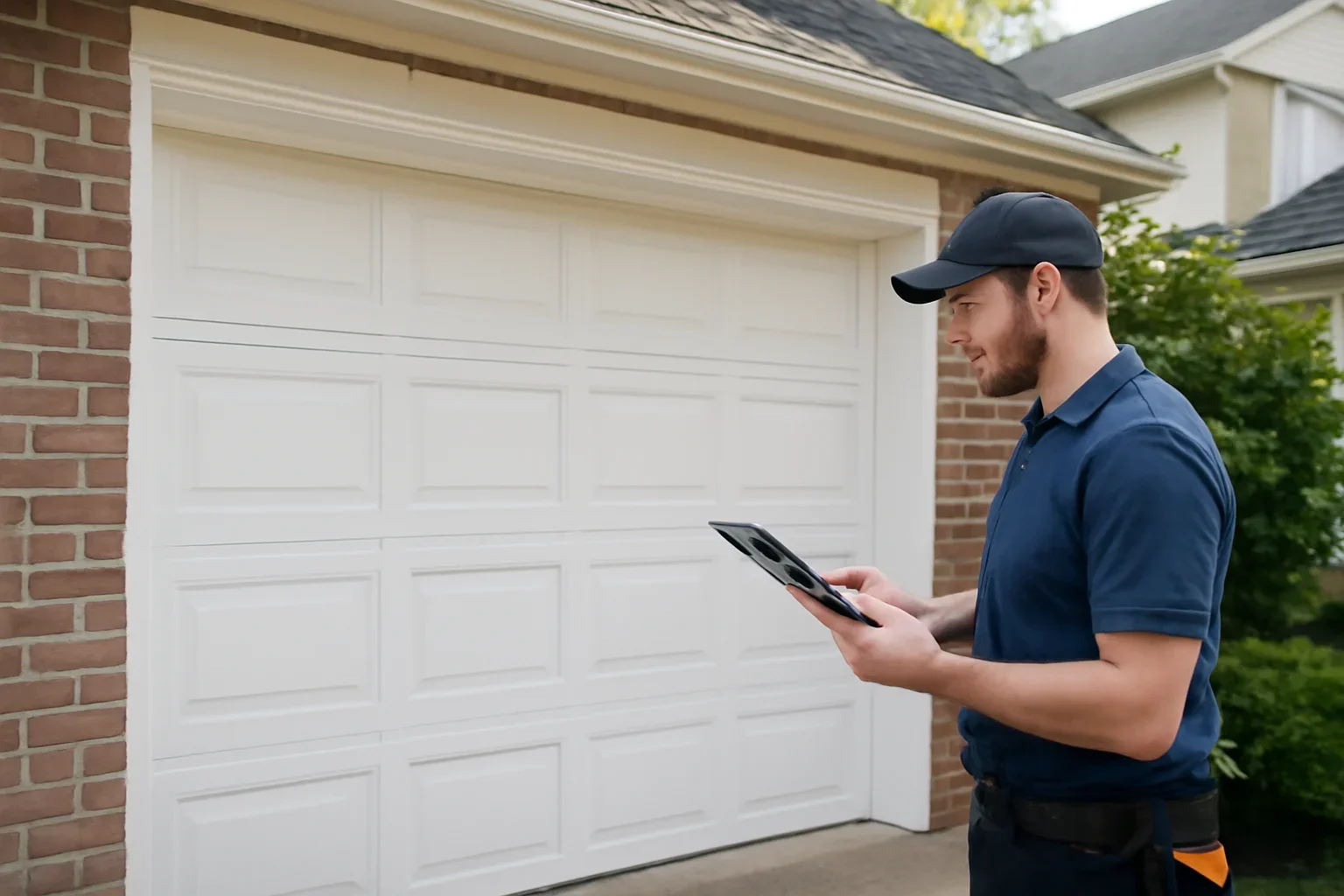
One broken spring, cable, roller, sensor, or opener component does not automatically mean the full door should be replaced. Replacement becomes more relevant when damage affects several sections, the door no longer tracks safely, parts cannot be matched, security is compromised, or the same system keeps generating new repair costs.
Stop using the door if it is crooked, buckled, hanging unevenly, off its track, or difficult to control. For a door that is stuck or blocking safe access, start with emergency garage door repair rather than forcing the opener.
A damaged section may still be a candidate for garage door panel repair. A rough but structurally sound door may benefit from garage door maintenance. The replacement page should help you compare those paths, not skip them.
Share visible damage, rust, gaps, panel movement, repeated repairs, noise, and whether the door opens evenly.
Include single or double width, approximate dimensions, ceiling clearance, tracks, and the number of door sections.
Explain whether it is an attached home garage, strata unit, rental, workshop, storage area, shop, or service bay.
Note insulation, quiet operation, security, windows, curb appeal, low maintenance, opener features, and budget range.
Photos are useful: Include the full door from outside, the damaged area, tracks, springs, opener, and the manufacturer label when it is safely visible.
A useful recommendation should explain why replacement is being considered, what parts can remain, what must change, and how the new door will work with the opening and opener.
Review structural damage, panel availability, corrosion, cracking, repeated faults, and the cost of keeping the current system.
Residential repair contextConfirm width, height, headroom, side room, framing, ceiling obstructions, track layout, and any storage conflicts.
Installation planningCheck whether springs, cables, drums, rollers, tracks, brackets, and supports should be reused or replaced with the door.
Spring repair guidanceDetermine whether the existing opener is safe, properly sized, compatible, and reliable enough to operate the replacement door.
Opener installation optionsCompare door construction, panel insulation, bottom seals, perimeter contact, rain exposure, drafts, debris, and pest gaps.
Weatherstripping serviceAccount for household routines, strata coordination, tenant access, vehicle size, delivery needs, security, and business downtime.
Commercial service context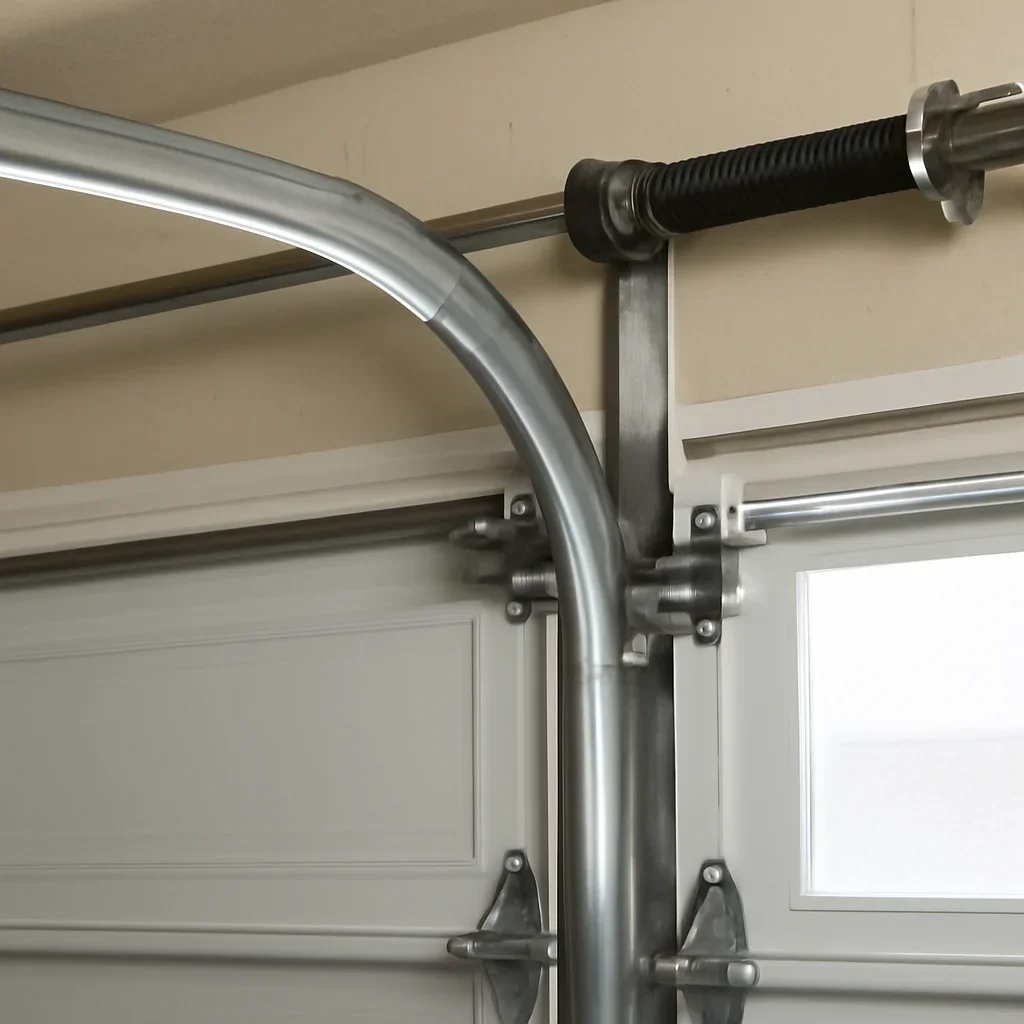
Surrey includes detached houses, townhomes, strata developments, rental properties, rural-edge workshops, mixed-use buildings, and employment areas with service or storage doors. A replacement should respond to the actual opening and operating pattern rather than a generic neighbourhood label.
No single rule works for every door. These are practical indicators to discuss during an assessment.

Panel style and colour matter, especially on a street-facing garage, but the door also needs to fit the opening, work with the right lifting system, seal consistently, and match the way the building is used.
The exact scope depends on what can be reused safely, but the finished system should be fitted, balanced, connected, sealed, and tested as one unit.
Assess the opening, door, tracks, springs, cables, opener, framing, clearances, and previous modifications.
Plan access, vehicle movement, disposal, occupant coordination, and safe removal of the existing door and related parts.
Install compatible sections, tracks, lifting hardware, rollers, hinges, supports, seals, and opener connections.
Check balance, full travel, closing contact, sensor response, opener operation, controls, noise, and basic care.
Scope should be explicit: Ask which tracks, springs, hardware, seals, opener components, removal work, and disposal items are included so estimates can be compared on the same basis.
Clear information at the beginning reduces guesswork and helps separate an urgent access problem from a planned replacement project.
Share damage, age, repeated repairs, movement problems, insulation concerns, access impact, and useful photos.
Confirm whether a focused repair, panel solution, opener service, or maintenance visit still makes practical sense.
Review the opening, door construction, style, insulation, hardware, seals, opener compatibility, access, and timing.
Complete the agreed work and verify balance, travel, sealing, safety response, controls, and normal operation.
Location pages are most useful when they add building and access context. Use the neighbourhood links below to explore related local service information without assuming every property in an area has the same door.
Older doors may raise questions about panel matching, track condition, opener compatibility, framing, and whether previous repairs changed the original setup.
Projects may need clearer coordination around exterior consistency, access, parking, work hours, occupants, and strata requirements.
Opening size, vehicle clearance, cycling frequency, security, scheduling, and downtime may be more important than residential styling priorities.
E-E-A-T is stronger when a service page gives customers specific questions to ask instead of relying only on broad trust claims.
The explanation should connect the recommendation to condition, repeat faults, safety, parts availability, security, insulation, or total repair value.
Customers should understand the door, tracks, springs, cables, hardware, seals, opener work, removal, disposal, testing, and exclusions.
The finished door should be reviewed for fit, balance, travel, closing contact, safety response, controls, noise, and normal use.
These answers are designed to help you prepare for a useful assessment and compare the available paths.
A focused repair may be reasonable when one serviceable part has failed and the rest of the door remains structurally sound, secure, aligned, and supportable. Replacement is worth comparing when several parts are failing, panels cannot be matched, the door is unsafe or difficult to secure, or repair costs keep returning.
Sometimes. A section replacement depends on the door model, section profile, dimensions, finish, colour, insulation, window layout, and parts availability. Connected hinge, roller, track, cable, and opener issues should also be checked before deciding.
Insulation is often worth comparing when the garage shares walls or a ceiling with living space, is used for storage or projects, or feels especially drafty. Door construction, perimeter sealing, bottom contact, and how the garage is heated or ventilated all affect the result.
Possibly. The opener should be checked for condition, safety features, lifting capacity, rail setup, travel, controls, and compatibility with the replacement door. An older or unreliable opener may be better repaired or replaced during the project.
Send the Surrey location, property type, approximate door size, photos of the full door and damage, movement problems, previous repairs, opener details if known, access restrictions, style or insulation priorities, and whether the door currently works.
Do not keep forcing the opener. A crooked, hanging, jammed, or off-track door may need to be stabilized before replacement measurements or planning can proceed. Use the emergency repair page when the door is creating an immediate access or safety problem.
The scope can vary, so those items should be listed clearly in the proposal. Ask which existing components can be reused, which components will be replaced, whether disposal is included, and how the completed door will be balanced, sealed, and tested.
Replacement planning can be adapted to homes, townhomes, strata garages, rental properties, workshops, shops, storage areas, and commercial access points. The correct scope depends on the opening, operating frequency, security, vehicle clearance, coordination requirements, and downtime concerns.
Share the location, property type, current door condition, movement problems, repair history, approximate dimensions, opener details, photos, and replacement priorities. The first goal is to determine whether you need repair, panel work, opener service, maintenance, emergency support, or a complete replacement plan.